



Starting a brand-new modular home factory is both thrilling and challenging. While the idea of factory-built homes is gaining momentum due to their efficiency and sustainability, many aspiring factory owners find themselves navigating a complex journey with limited firsthand experience.
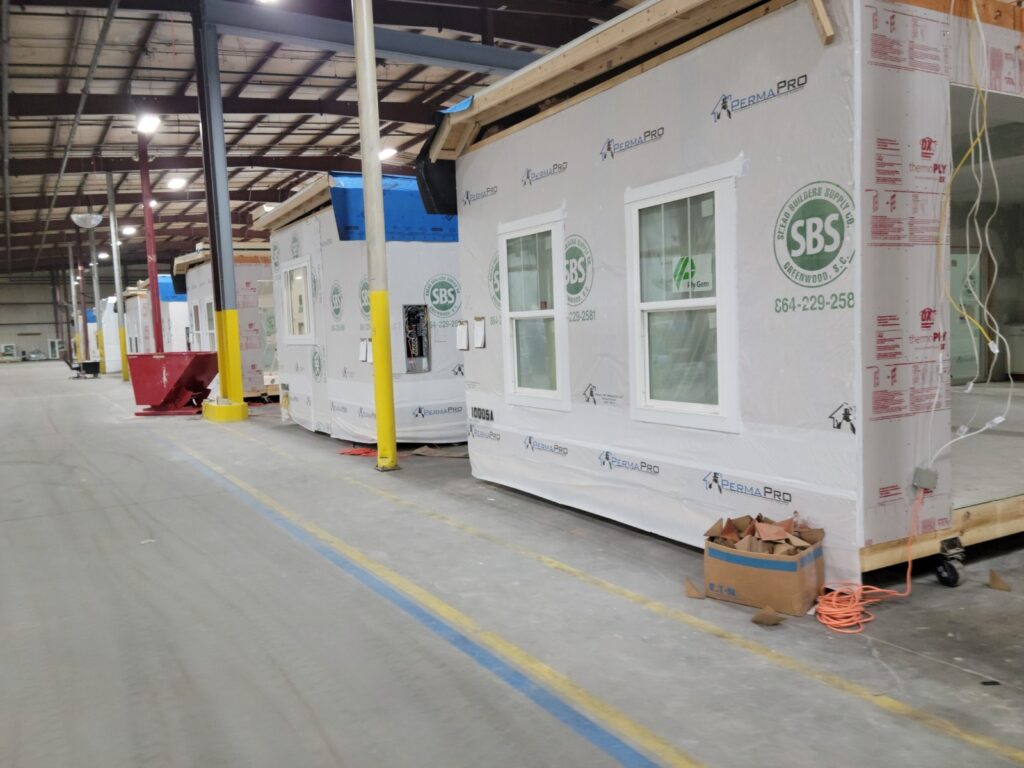
This guide, the first of a series, presents 21 essential rules for building your modular factory from scratch, offering a roadmap to transform a dream into a thriving business.
1. Understand Modular Construction Basics
Before you even consider laying the foundation for your factory, ensure everyone involved has a solid understanding of modular construction. This means grasping the differences between modular and traditional construction, from offsite assembly to onsite installation. It’s not just about piecing together pre-made parts; it’s about a unique process that can redefine building.
2. Define a Clear Vision
Your factory needs a guiding light. What type of modular homes do you want to produce? Who is your target customer? What are your short and long-term goals? Answering these questions will align your team’s efforts and set a clear direction. Without a vision, even the most well-funded factories can flounder.
3. Conduct Market Research
Do your homework. Research the market thoroughly to identify potential buyers, competitors, and industry trends. What is the demand for modular homes in your region? Which features or designs are most popular? Market knowledge is a powerful tool that can help you design products and marketing strategies that resonate.
4. Secure Adequate Financing
Starting a modular factory is capital-intensive, requiring significant investment in equipment, technology, staffing, and production. Develop a compelling business plan that outlines your vision, projected costs, and potential returns to attract investors and secure loans. Financial security can make or break your venture.
5. Build a Diverse Leadership Team
You can’t do it all alone. Assemble a leadership team with expertise in manufacturing, construction, business management, and marketing. Each leader should bring valuable insights and complementary skills to drive the factory’s growth. Collaborative leadership often breeds innovation and resilience.
6. Find the Right Location
Location can dictate the success or failure of your factory. Select a site with convenient access to transportation routes, zoning compliance, and ample space for current production and future growth. Consider proximity to suppliers and buyers to minimize transportation costs and improve logistics.
7. Design an Efficient Production Layout
The layout of your production line impacts efficiency and productivity. Study successful factory layouts and tailor yours for a streamlined workflow that minimizes waste, reduces material movement, and maximizes output. Every inch of your floor space should serve a purpose.
8. Invest in Quality Equipment
Quality equipment directly impacts your product’s precision, efficiency, and reputation. While it may be tempting to cut costs, investing in state-of-the-art machinery can boost productivity and reduce maintenance costs in the long run. Choose tools that align with your production goals and offer flexibility for future upgrades.
9. Prioritize Safety
A safe work environment is non-negotiable. Accidents can derail operations, affect morale, and result in costly legal battles. Implement rigorous safety protocols and ensure regular training for all staff. Make safety a core aspect of your factory’s culture.
10. Establish Supplier Partnerships
Reliable suppliers are the backbone of your operations. Develop long-term relationships with trusted suppliers who can consistently deliver high-quality materials at competitive prices. Negotiating favorable terms and building rapport can stabilize your production process and ensure you meet deadlines.
11. Hire and Train Skilled Workers
Your factory’s success depends on your workforce’s skills and dedication. Recruit experienced professionals, but don’t stop there – invest in continuous training programs to keep your team up-to-date on evolving techniques, tools, and standards in modular construction.
12. Develop a Strong Quality Control Program
Every module that leaves your factory reflects your brand. Ensure rigorous quality checks are in place throughout the production process. This not only maintains customer satisfaction but also minimizes costly rework and warranty claims.
13. Adopt Lean Manufacturing Principles
Waste not, want not. Embrace lean manufacturing to minimize waste, optimize processes, and enhance overall efficiency. Regularly review your processes to identify opportunities for improvement – the savings you achieve can be reinvested into your factory’s growth.
14. Leverage Advanced Technology
Integrate advanced software solutions, such as Building Information Modeling (BIM), production management software, and automated quality assurance tools. Technology can streamline workflows, enhance precision, and allow for better project coordination.
15. Create a Flexible Production Line
The modular industry is evolving, and your factory should be able to adapt. Design a production line that accommodates a range of designs and customizations to meet changing market demands without compromising on efficiency.
16. Navigate Building Codes and Regulations
Compliance is critical in the construction industry. Work closely with local authorities and regulatory bodies to ensure all modules meet or exceed applicable building codes and standards. Ignorance of the law is not an option.
17. Develop a Robust Sales Strategy
You may build the best modules, but without a strong sales strategy, your factory will struggle. Focus on key selling points like reduced build times, sustainability, and energy efficiency. Tailor your marketing to resonate with your target audience.
18. Build a Strong Brand
Branding goes beyond a catchy logo. It’s about creating a reputation for quality, reliability, and innovation. Differentiate your factory from competitors by developing a strong identity and consistently delivering on your promises.
19. Collaborate with Architects and Designers
Engage experienced architects and designers who understand modular construction. Collaborations lead to innovative, functional, and attractive designs that appeal to customers and simplify the production process.
20. Focus on Logistics and Transport
Efficient delivery of modules to job sites is critical. Plan for transport logistics early, ensuring safe, timely, and cost-effective deliveries. Addressing logistics issues upfront prevents costly delays and customer dissatisfaction.
21. Be Prepared for Industry Changes
The modular industry is rapidly evolving. Stay informed about new technologies, materials, and market trends. Adaptability and a willingness to evolve will ensure your factory remains competitive in an ever-changing landscape.
Modcoach Note
By following these 21 rules, aspiring modular factory owners can lay a solid foundation for success. But this is just the beginning – stay tuned for more insights and deeper dives into what it takes to thrive in the modular construction industry.
.
CLICK HERE to read the latest edition

Contact Gary Fleisher