



Why offsite construction? Because it’s more than a trend—it’s a movement driving efficiency, sustainability, and innovation in a field that’s long been overdue for transformation. By reducing waste, optimizing materials, and enabling cost-effective modular solutions, offsite methods are addressing critical issues like the housing crisis and rising construction costs., They also pave the way for greener, energy-efficient structures, create opportunities for upskilling and career growth, and harness advanced technologies like BIM software and robotics to revolutionize design, fabrication, and delivery.

We look forward to exploring these topics and more with you in the months to come. As we launch this first issue, we invite you to join the conversation—share your thoughts, experiences, and the topics you’d like us to explore.
Let’s get started!
Housing markets in Canada and the United States are experiencing a gap in supply and affordability such that, for many residents, owning or renting a home has moved beyond reach. Both countries are scrambling for answers while focusing on rapidly building more housing units. In Canada, for example, the national housing agency (CMHC) points to the need for 3.5 million additional housing units by 2030 to restore affordability.
This emphasis on volume has pushed the necessity of cost and speed to the forefront, with governments and residents all looking to the building industry to find new ways to meet demand. Innovation rests at the heart of the housing shortage conversation, and offsite construction continues to emerge as a possible solution.

What is Prefabricated Housing Construction?
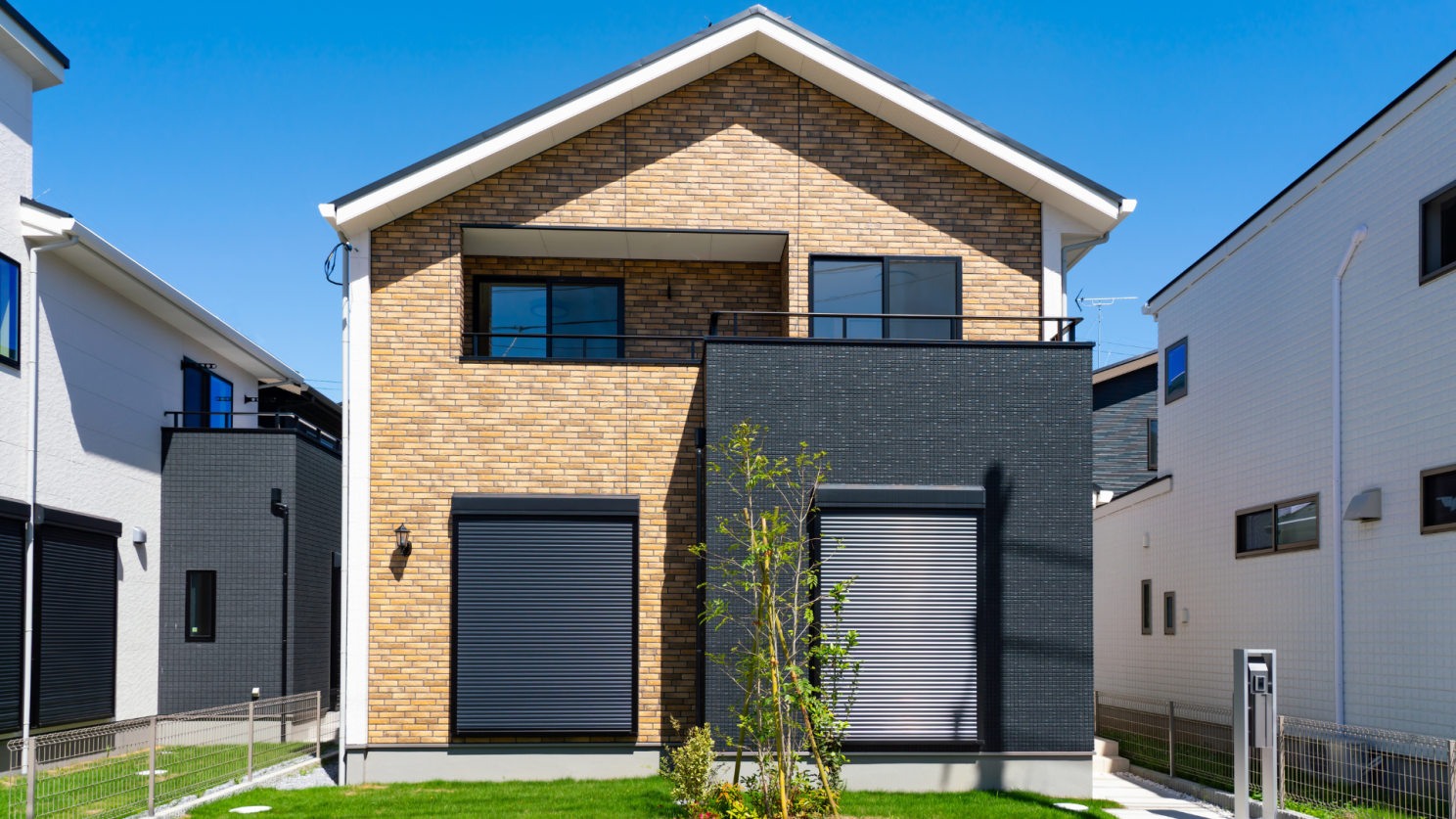
Offsite, or prefabricated, housing, consists of modular and panelized systems, constructed in factories, that can be used for single-family and multifamily residential units as well as commercial buildings. Their fabrication capitalizes on the efficiencies of production lines, in which the structure moves among specialized groups of workers. While structural work is happening in the factory, site preparation can be simultaneously underway onsite, cutting construction timelines by as much as half.

Can Offsite Construction Make Housing More Affordable?
While more efficient labor and decreased time to completion is good news for affordability, the cost of the factory infrastructure and transportation to the build site can offset production savings. Layer in prefabricated housing’s greater need for precision compared to offsite production, and housing manufacturers are challenged to find unrealized efficiencies that answer the demand.
Technology to The Rescue
Technology’s role has never been greater when it comes to the need to streamline repeat processes, enhance precision and quality control, and reduce waste—and it’s all about scale. Leaps in software capabilities are smartening up all phases of offsite construction, empowering companies to shave critical manhours off the design and build process.
“Across the board, technology is rapidly becoming the answer to help modular and prefabricated manufacturers deliver on their potential. Software products have immense capacity to elevate the value companies receive from each manhour by reducing the need to perform tedious repeat tasks and reducing errors,” said Brandon Ionata , Director of Strucsoft | GRAITEC Group
Strucsoft offers BIM framing solutions for wood and light-gauge steel – MWF (Metal Wood Framer). The power of MWF comes in streamlining the framing process in the design-build industry, from model design through transportation to the build site. MWF is a plugin for Autodesk Revit that allows users to design framing in Revit models with a few clicks, saving hours of time. Engineers and modular building fabricators use MWF to fix errors, and coordinate design models with manufacturing teams.
When it’s time for fabrication, the Strucsoft ONYX plugin for Revit can generate CNC code that delivers the design directly to machinery. Strucsoft products also provide the ability to identify the most efficient stacking configurations, adding a new layer of efficiency to transportation.
Will North America Embrace the Move to Modular?
With technologies like Strucsoft imbuing modular fabricators with greater design freedom and pulling down production costs, North Americans’ willingness to consider prefabricated housing is on the rise. A widespread cultural shift is not without precedent. In Sweden and Japan, for example, offsite construction now accounts for 85 percent and 15 percent residential builds, respectively. For Canada and the United States, it may only be a matter of technology and time.

Learn more about how Strucsoft’s offsite solutions for Revit are improving modular construction workflows and helping to speed the way to housing affordability.
Welcome to the inaugural issue of Graitec’s Offsite Insider, a newsletter dedicated to exploring the transformative world of offsite, modular, and prefabricated construction. We created Offsite Insider to inspire, inform, and spark meaningful conversations about the future of construction. We’re thrilled to have you join us as we embark on this journey to showcase how innovative construction methods are reshaping the industry and addressing some of the most pressing challenges of our time.