



In modular construction, few ideas are as transformative as Ken Semler’s concept of “Housing-as-a-Service.” It’s more than a new business model—it’s a shift in how we think about housing itself. Instead of viewing modular factories as simple producers of single-family homes, this approach positions them as key players in solving some of society’s most pressing challenges.
Tackling the Housing Crisis
Across the country, the shortage of affordable and attainable housing continues to widen. Traditional construction methods simply can’t keep up with demand or cost pressures. Semler’s Housing-as-a-Service model leverages the efficiency and scalability of modular building to close that gap.
By standardizing processes and manufacturing homes in controlled environments, modular construction can cut costs and construction timelines in half—a game-changing advantage for developers focused on multi-family and affordable housing projects.
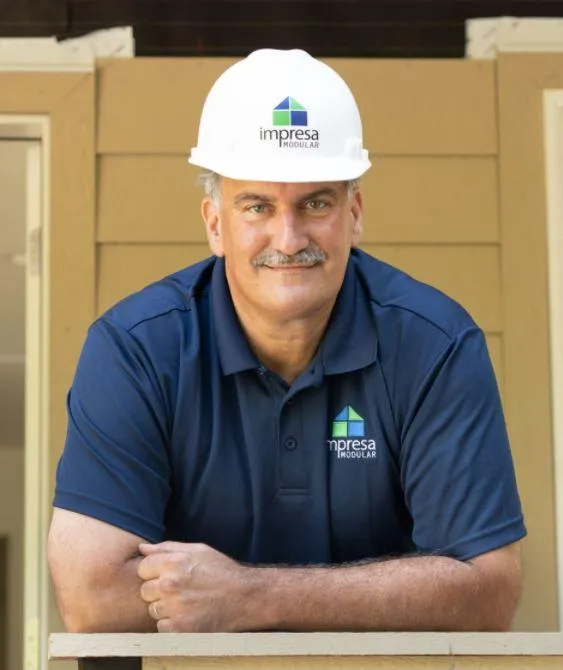
Ken Semler – Founder and CEO of Impresa Modular
In this model, housing isn’t just a product—it’s part of a repeatable, rapid-response service that can be deployed wherever demand arises. For cities struggling with rising rents and shrinking housing supply, that’s a lifeline.
Empowering Communities

The power of modular construction extends beyond affordability. Housing-as-a-Service offers flexibility and speed—two assets that can transform how communities respond to urgent needs. Municipalities and nonprofit organizations can use this model to deliver workforce housing, transitional shelters, or disaster relief homes in record time.
Imagine a community hit by a hurricane or wildfire. Instead of waiting years for rebuilding efforts to begin, modular factories could produce safe, durable homes within weeks—restoring stability, dignity, and hope to displaced families. It’s a model built around service to people, not just product delivery.
Building Resilience and Quality
Another critical advantage lies in the factory-built process itself. Modular homes are constructed under strict quality control standards, using precision engineering and consistent oversight that site-built homes often lack. The result is stronger, more resilient buildings that perform better in the face of extreme weather events and long-term wear.
As climate change fuels more frequent disasters, durability is no longer optional—it’s essential. Housing-as-a-Service ensures that every unit delivered meets high standards for energy efficiency, safety, and longevity, giving communities not just homes, but lasting infrastructure.
A Broader Vision for Housing
Ken Semler’s Housing-as-a-Service model challenges the industry to think bigger. It’s not about selling houses—it’s about providing housing solutions. It redefines modular construction from a niche building method into a strategic tool for solving systemic housing challenges.
In this vision, modular factories become more than production lines—they become partners in resilience, equity, and progress. And as housing needs grow more complex, this service-oriented approach could be the key to building communities that are faster to rise, stronger to endure, and smarter to serve.
.
With over 9,000 published articles on modular and offsite construction, Gary Fleisher remains one of the most trusted voices in the industry.
.
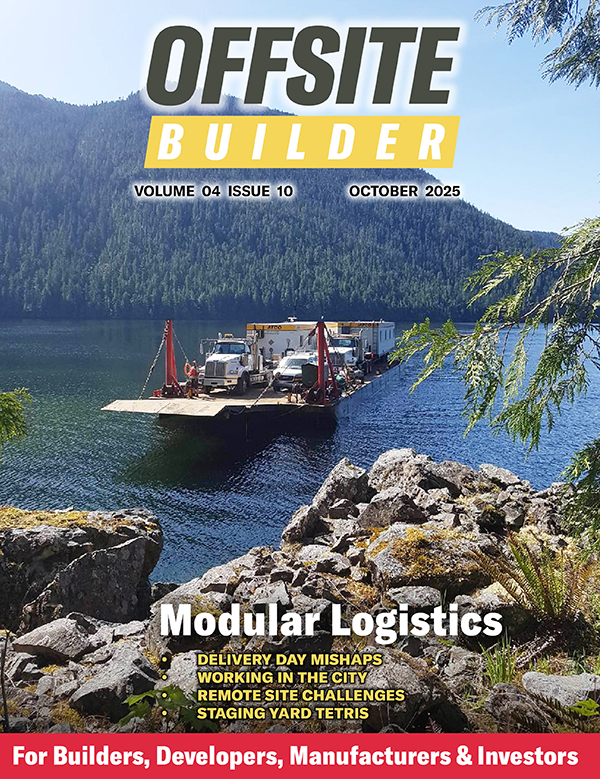
CLICK HERE to read the latest edition

Contact Gary Fleisher