Realtors carry a lot of weight in shaping how people view homes. Yet when it comes to modular construction, most real estate professionals still cling to outdated ideas that don’t reflect today’s reality. Modular homes aren’t the mobile homes of the past, nor are they cookie-cutter boxes rolling off an assembly line. They are precision-built, energy-efficient, durable homes designed to meet—and often exceed—the same standards as any new site-built home.
Here are 11 positive things most Realtors don’t know about modular construction—but should.
1. Built to the Same or Higher Codes
Every modular home must meet the exact same local and state building codes as a stick-built home. Because construction happens in a controlled factory environment, with inspectors walking the line daily, quality checks are tighter and more consistent. In many cases, modular homes exceed code because they’re engineered to survive the stress of transport and craning into place. Realtors can confidently tell clients: “This isn’t an exception—it’s a better version of the standard.”
2. Appraised Like Site-Built Homes
One of the biggest myths in real estate is that modular homes don’t hold value. The truth? They’re appraised in the same category as site-built homes, using the same comps, and they appreciate at the same rate. Banks don’t see modular as a second-class citizen—and neither should Realtors. Positioning modular correctly can help buyers realize they’re investing in a long-term asset, not a compromise.
3. Faster Construction Timelines
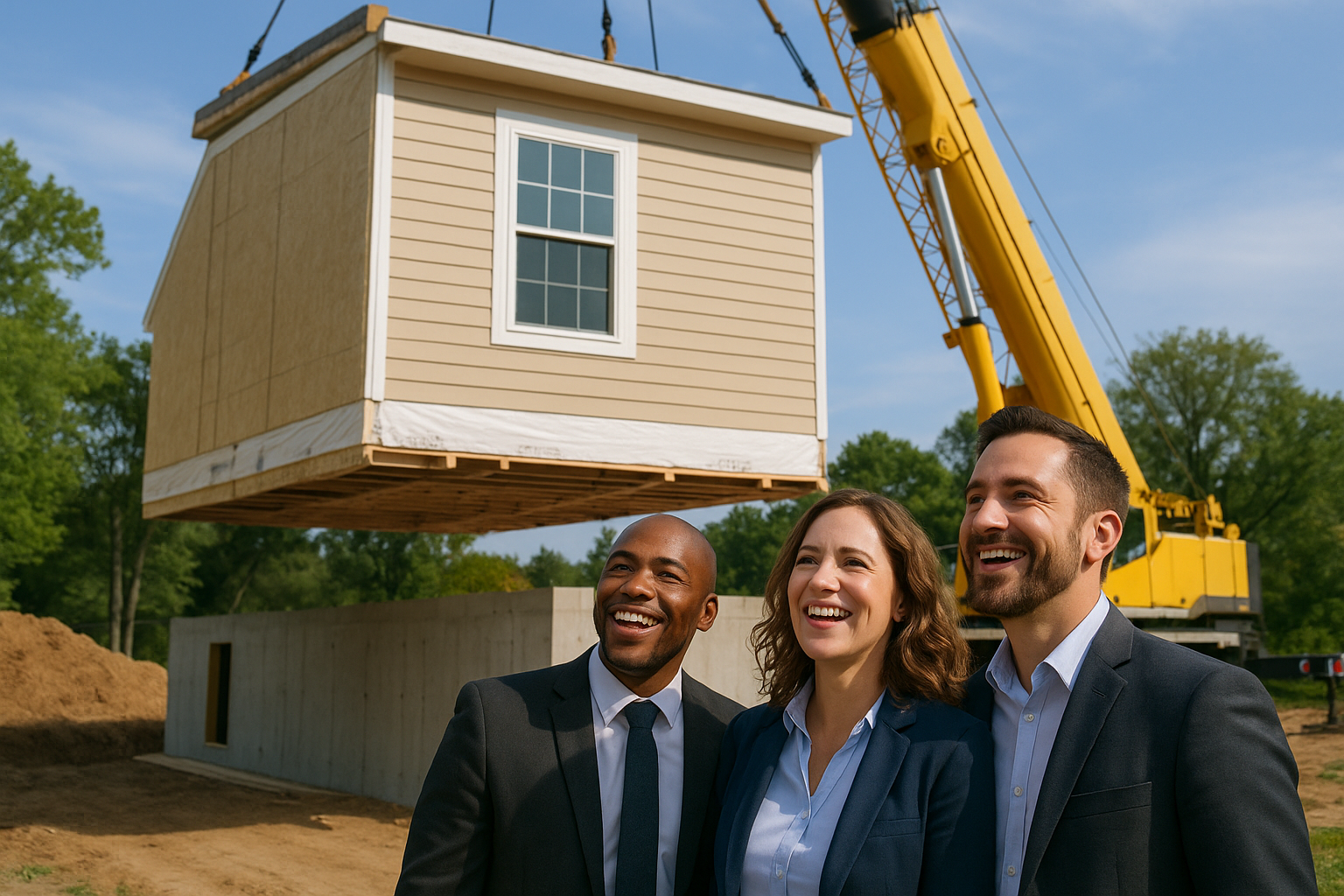
Ask any buyer what stresses them most, and the long wait for a new home will be at the top of the list. Modular solves this problem by building the home while the foundation is being poured. This parallel process can shave months off delivery. For Realtors, faster builds mean happier clients—and faster commissions. Speed doesn’t sacrifice quality; it just eliminates wasted time.
4. Greater Energy Efficiency
Today’s buyers want homes that don’t drain their wallets on utility bills. Because modular homes are built with tighter tolerances, advanced insulation, and precision sealing, they often outperform site-built homes in energy efficiency. Realtors can highlight energy savings as an ongoing value, not just a one-time benefit. A modular home is often greener before it’s even lived in.
5. Stronger Structures
Here’s a fact that surprises even seasoned builders: modular homes are often stronger than traditional stick-built homes. Why? They must withstand the stress of highway transport and the lift of a crane. That means more bracing, more fastening, and sturdier engineering. Realtors can flip the narrative from “pre-fab” to “over-built.” Clients moving into storm-prone or high-wind regions will especially appreciate this advantage.
6. Customizable Designs
The image of a cookie-cutter modular home is outdated. Today, modular factories can produce everything from charming farmhouses to ultra-modern designs with glass walls and rooftop decks. Buyers can customize layouts, finishes, and features as much—or sometimes more—than site-built homes. Realtors should be ready to showcase modular not as a limitation, but as a flexible solution that adapts to a client’s lifestyle.
7. Lower Risk of Weather Delays
Every builder has a story about projects delayed by rain, snow, or extreme heat. Modular construction changes the game by building most of the home indoors. The result: fewer weather delays, less damage to materials, and more predictable schedules. For Realtors, that means promises made to buyers are promises kept—a huge selling point in today’s uncertain housing market.
8. Sustainable Building Practices
Realtors know that sustainability sells, especially to younger buyers. Modular homes generate less waste because factories recycle leftover lumber, drywall, and materials. Cutting is done with CNC precision, meaning every stud, sheet, and board is optimized. Buyers who care about green living don’t just get an energy-efficient home—they get one that was responsibly built from the start.
9. Easier Financing Than Most Think
The financing process can be intimidating for buyers, and many Realtors hesitate to recommend modular because they assume financing is complicated. Not true. Because modular homes are built to the same codes, banks treat them exactly like site-built homes. Standard mortgages apply, and lenders are increasingly familiar with modular projects. Realtors who know this can calm nervous buyers and smooth the path to closing.
10. Excellent Option for Infill Lots
In cities and close-in suburbs, vacant lots can be hard to develop without upsetting neighbors who dread months of construction noise and dust. Modular solves this problem by bringing in a nearly finished home that’s set in place within a day or two. Less disruption, less mess, and faster completion. Realtors can position modular as the perfect solution for urban buyers who want a new home without the long wait and neighborhood headaches.
11. Increasing Popularity With Younger Buyers
Millennials and Gen Z buyers want sustainability, speed, and technology integration in their homes. They’re also more open to new ideas than older generations. Modular checks all those boxes. It’s a forward-thinking way to build, and Realtors who get ahead of this trend can position themselves as trusted advisors for the next wave of buyers entering the market. Being able to say “I know modular” can set a Realtor apart in a crowded field.
My Final Thoughts
For Realtors, knowledge is leverage. Modular construction isn’t a fringe option anymore—it’s mainstream, it’s growing, and it’s packed with advantages that can help clients and agents alike. The more Realtors understand these positives, the more confident they’ll feel in recommending modular as a smart, modern way to build and buy a home.
.
With over 9,000 published articles on modular and offsite construction, Gary Fleisher remains one of the most trusted voices in the industry.
.
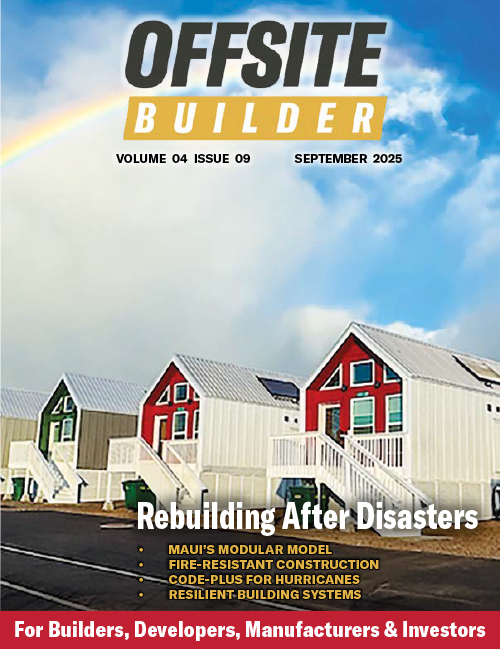
CLICK HERE to read the latest edition

Contact Gary Fleisher