
Wouldn’t be great if wherever you are building a new home, from California to New York, followed one playbook. This vision would be a dream come true if only a HUD-type code for the modular housing industry took shape.
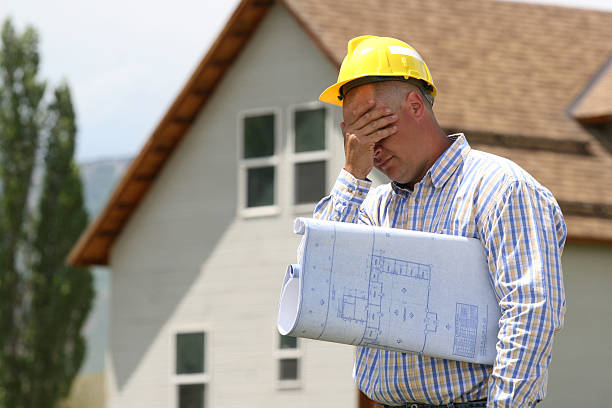
Today’s construction landscape is a patchwork of local and state regulations, creating a complex maze for builders and inspectors alike. A unified code could change all that, bringing consistency and efficiency long sought by the industry.
.
The Promise of Uniformity
The changes would standardize the rules of construction across the board, yet be adapted for different seismic, snow, and flood regions. For builders and contractors, this means a simpler process with less red tape, as they would no longer need to juggle multiple sets of regulations. This streamlined approach could also lead to better safety practices, as a national code would incorporate the highest standards from across the country. Moreover, the cost of new home construction, significantly burdened by regulatory compliance, could see a notable decrease, making the dream of homeownership more attainable for many Americans.
The Flexibility Factor
Yet, modular construction thrives on its ability to meet the diverse needs of different locales. From the earthquake-prone West Coast to hurricane-ridden coastal areas, modular homes have been adapted to withstand local environmental challenges. This adaptability is a testament to the industry’s innovative spirit, allowing buildings manufactured in one state to be installed and compliant in another, regardless of the differing local codes.
Employment Implications
A shift to a national code system raises concerns about the fate of local and state building code agencies. While it’s difficult to pinpoint the exact impact on jobs, there’s a possibility that some positions might become redundant. In contrast, others could evolve or emerge within a new federal regulatory framework. The transition could see a shift towards roles that focus on nationwide compliance and enforcement, ensuring that the unified code’s standards are met across all constructions.

A Path Full of Challenges
The journey towards a single federal code is fraught with complexities. Aligning modular construction standards with a unified approach has been a longstanding challenge, evidenced by the Modular Building Institute’s efforts to integrate modular-friendly language into the International Building Code (IBC). These efforts highlight the intricacies of balancing the needs of modular construction with traditional building methods, underscoring the challenge of developing standards that are inclusive of all construction methodologies.
Navigating the Future
The prospect of a unified federal building code for modular homes is exciting and daunting. It promises a more streamlined and cost-efficient construction process but also poses significant challenges in terms of regulatory transition, job impacts, and the need to maintain the industry’s flexibility. As the debate continues, it’s clear that any move towards a national code would require careful planning, widespread industry consultation, and a nuanced approach to safeguarding the interests of all stakeholders involved in America’s construction landscape.
In essence, while the unified code offers a blueprint for simplification and efficiency, it also calls for a balanced discussion on the future of modular construction, ensuring that the industry can continue to innovate and adapt in the face of changing national standards.
.

CLICK HERE TO READ THE MARCH ISSUE
.

Gary Fleisher is a renowned blogger and commentator on construction and housing trends, known for his insightful analysis of the industry.