

In Modular Home Source’s survey conducted this week, construction industry experts were asked to predict which type of housing would benefit the most if all housing zones were opened to any type of construction.
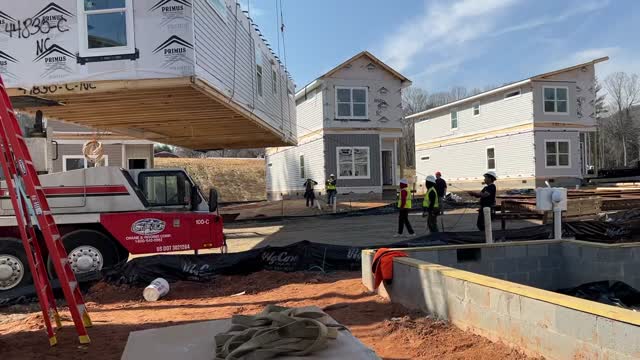
.
The results reveal a fascinating glimpse into the future of housing, showcasing a diverse range of building types that stand to gain from a more flexible regulatory environment.
“Which type of housing will benefit if all housing zones are opened to any type of construction?“
Manufactured HUD Housing: 37.8%
Leading the survey with a significant 37.8%, Manufactured HUD Housing emerges as the frontrunner. Manufactured homes, often called mobile homes, are built to the stringent standards set by the U.S. Department of Housing and Urban Development (HUD). These homes offer an affordable, efficient, and versatile housing solution, making them a popular choice for a wide range of demographics.
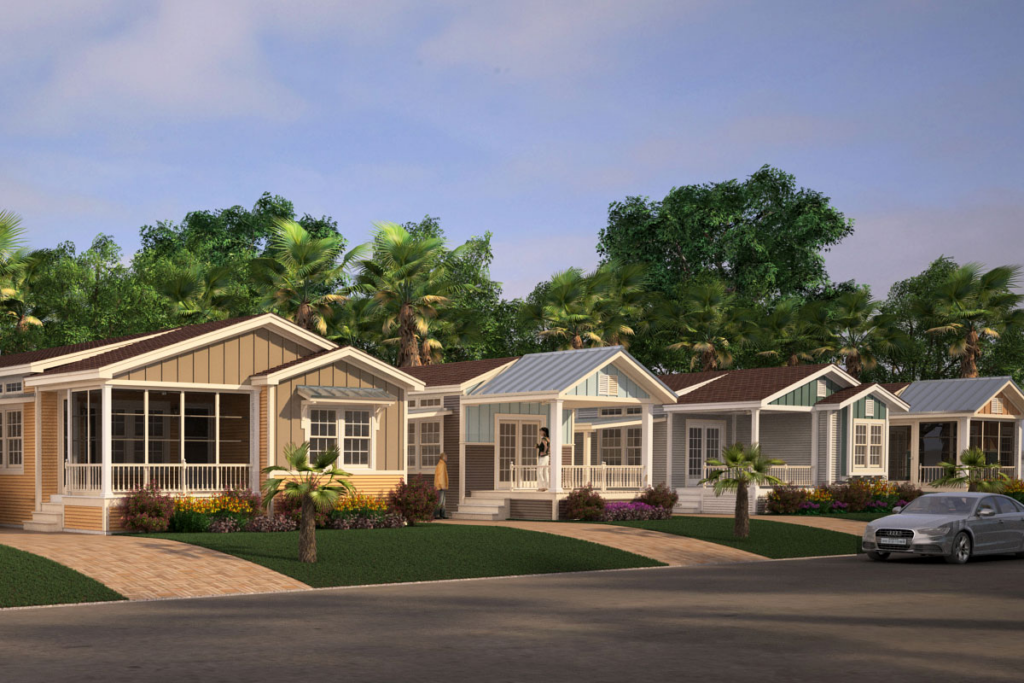
Manufactured homes have come a long way from their humble beginnings. Modern manufactured homes are well-designed, energy-efficient, and often indistinguishable from traditional site-built homes. They offer a cost-effective alternative to conventional housing, making homeownership accessible to many who might otherwise be priced out of the market.
The potential for manufactured homes to benefit from open zoning is immense. Without the constraints of traditional zoning laws, these homes can be placed in a variety of locations, providing affordable housing options in urban, suburban, and rural areas alike. This flexibility could help address the housing affordability crisis in many parts of the country, providing quality homes at a fraction of the cost of site-built houses.
Modular Housing: 24.4%
Modular housing, capturing 24.4% of the vote, is another major beneficiary of open zoning laws. Modular homes are constructed in factory settings and then transported to their final location for assembly. This method offers significant advantages in terms of speed, cost, and quality control.

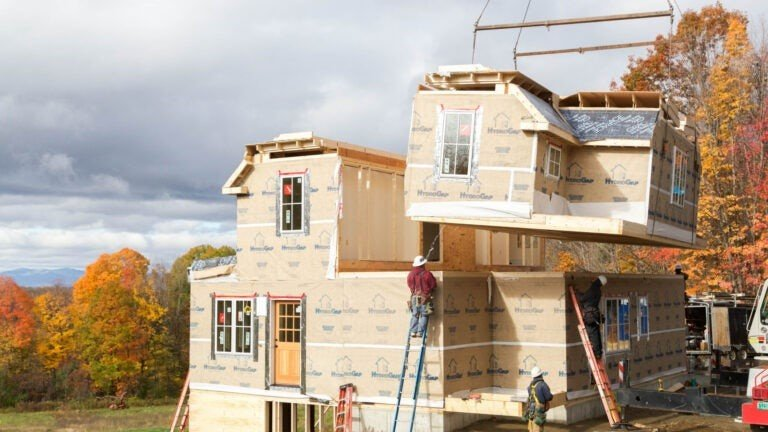
Modular construction allows for precision and efficiency that is difficult to achieve with traditional building methods. The controlled environment of a factory ensures that weather conditions do not delay construction, and materials are protected from the elements. Additionally, modular homes can be customized to meet the specific needs and preferences of homeowners, offering a level of personalization that rivals site-built homes.
Open zoning would greatly expand the potential for modular housing, allowing these homes to be placed in areas where they were previously restricted. This could lead to a surge in modular home developments, providing a fast and efficient solution to the growing demand for housing. Moreover, the ability to integrate modular homes into diverse neighborhoods could help promote social and economic diversity, breaking down barriers that have historically segregated communities.
Accessory Dwelling Units (ADUs): 15.6%
Accessory Dwelling Units (ADUs) garnered 15.6% of the votes, highlighting their growing appeal. ADUs, often referred to as granny flats or in-law suites, are secondary housing units built on the same lot as a primary residence. They offer a flexible housing solution that can accommodate a variety of living arrangements, from extended family members to rental units.
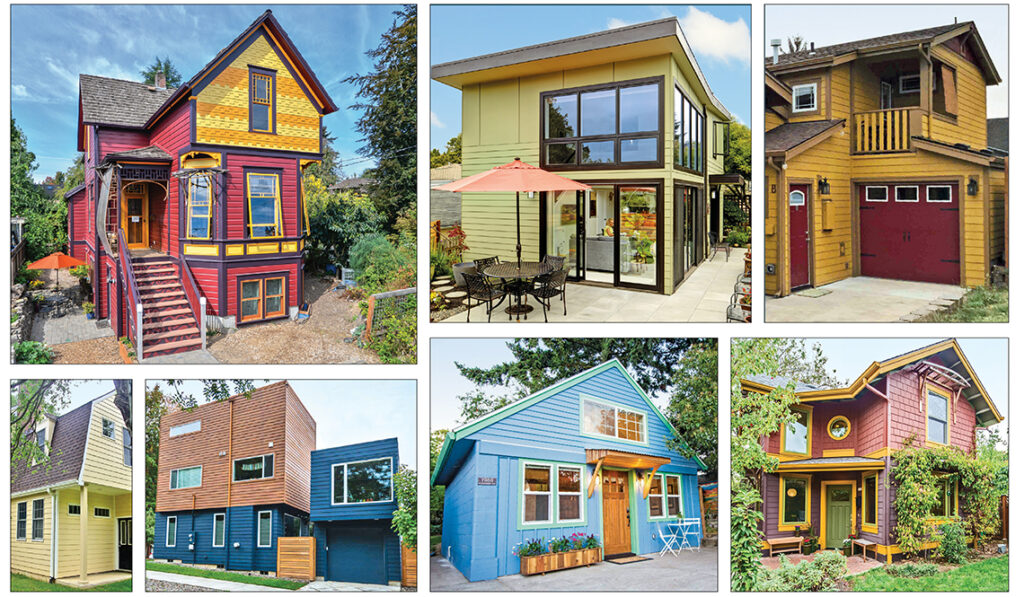
ADUs provide an innovative way to increase housing density without altering the character of existing neighborhoods. They can help address the need for affordable housing, especially in high-cost areas where space is at a premium. Additionally, ADUs can generate rental income for homeowners, making them an attractive investment.
With open zoning, the potential for ADUs would expand significantly. Homeowners could build ADUs without the bureaucratic hurdles that often accompany zoning regulations. This could lead to a proliferation of ADUs, helping to alleviate housing shortages and providing more options for multi-generational living and affordable rentals.
Tiny Homes: 13.3%
Tiny homes, which received 13.3% of the votes, represent a growing trend towards minimalist and sustainable living. These small, efficient homes offer a unique lifestyle choice that emphasizes simplicity and environmental consciousness. Tiny homes can be built on wheels for mobility or on foundations for a more permanent solution.
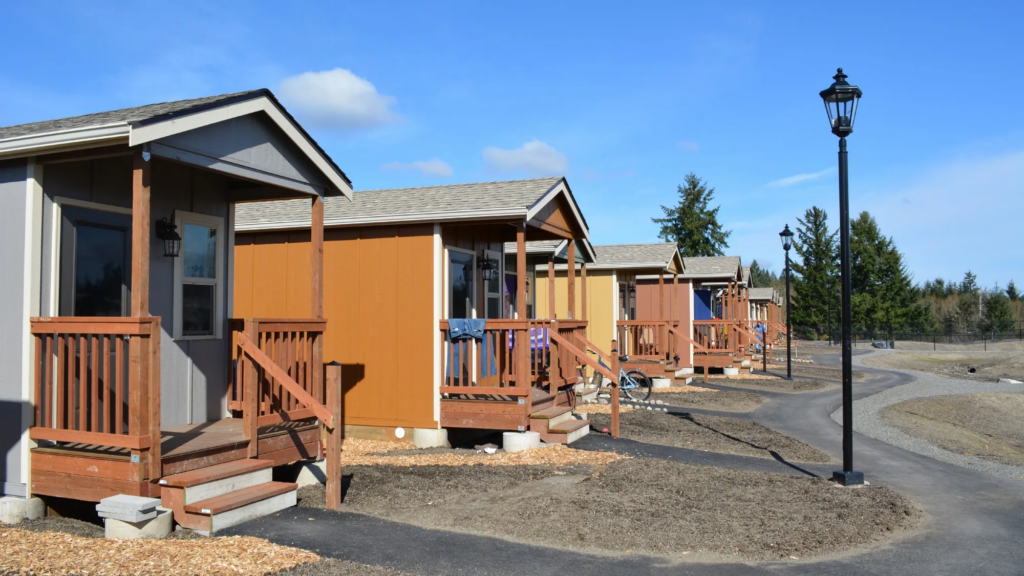
The tiny home movement has gained momentum as people seek to reduce their environmental footprint and live more sustainably. Tiny homes are often energy-efficient, use fewer resources, and encourage a decluttered, intentional way of life. They also provide an affordable housing option, with lower costs for construction, maintenance, and utilities.
Open zoning would allow tiny homes to be placed in a variety of settings, from urban infill lots to rural retreats. This flexibility could help integrate tiny homes into mainstream housing markets, providing affordable and sustainable living options for a wide range of people. Additionally, tiny homes could be used to address homelessness and provide transitional housing, offering a dignified and cost-effective solution to a pressing social issue.
3D Concrete Printed Homes: 8.9%
3D concrete printed homes, capturing 8.9% of the vote, represent the cutting edge of construction technology. These homes are built using large-scale 3D printers that layer concrete to create structures quickly and efficiently. This method offers significant cost and time savings, as well as the ability to create complex designs that would be difficult to achieve with traditional construction methods.
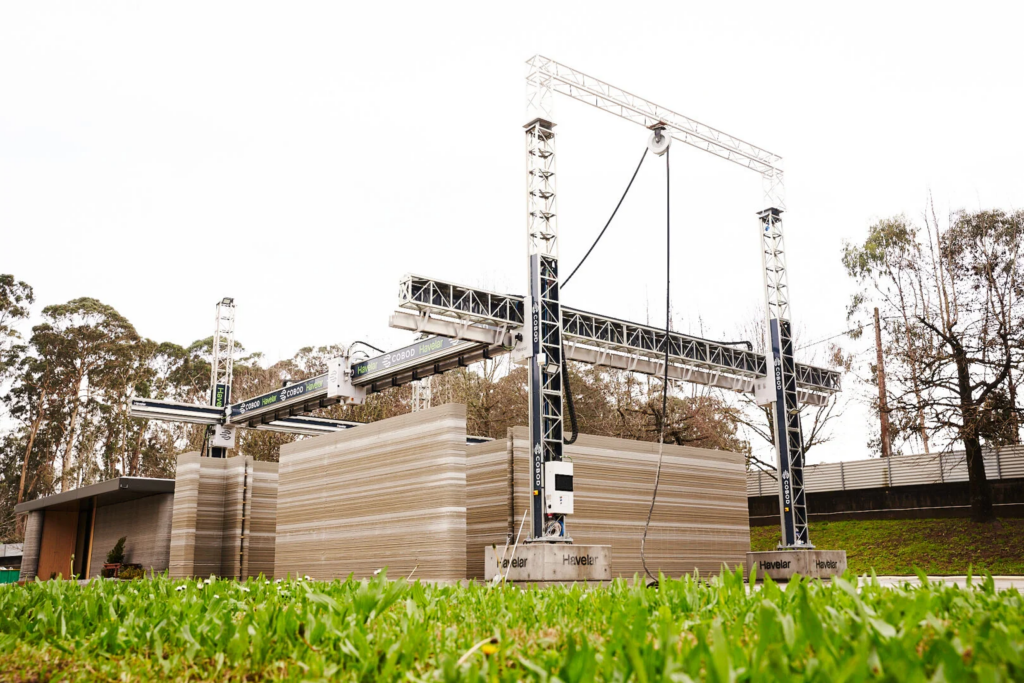
3D printing technology has the potential to revolutionize the construction industry. It allows for rapid construction with minimal labor, reducing costs and making housing more affordable. Additionally, 3D printed homes can be designed to be highly energy-efficient and resilient to natural disasters, offering a durable and sustainable housing solution.
With open zoning, the adoption of 3D printed homes could accelerate, bringing this innovative technology into the mainstream. These homes could be used for a variety of purposes, from affordable housing developments to emergency shelters in disaster-prone areas. The ability to build quickly and efficiently would be a major asset in addressing housing shortages and providing resilient housing solutions.
Modcoach Note
The survey results provide a clear vision of the future of housing, where flexibility in zoning laws could unlock a diverse array of housing options. Manufactured HUD Housing and Modular Housing are poised to benefit the most, offering affordable and efficient solutions to the growing demand for housing. Accessory Dwelling Units, Tiny Homes, and 3D Concrete Printed Homes also hold significant potential, each offering unique benefits that cater to different needs and preferences.
As the housing industry continues to evolve, the ability to adapt to changing regulations and embrace innovative construction methods will be key to meeting the challenges of the future. By opening all housing zones to any type of construction, we can create a more inclusive, diverse, and sustainable housing market that benefits everyone.
This vision of a flexible, innovative housing landscape offers hope for addressing some of the most pressing issues facing our society today, from housing affordability to sustainability. It is a future where everyone can find a home that meets their needs and aligns with their values, fostering stronger, more resilient communities.
.

CLICK HERE to read the latest edition

Contact Gary Fleisher