






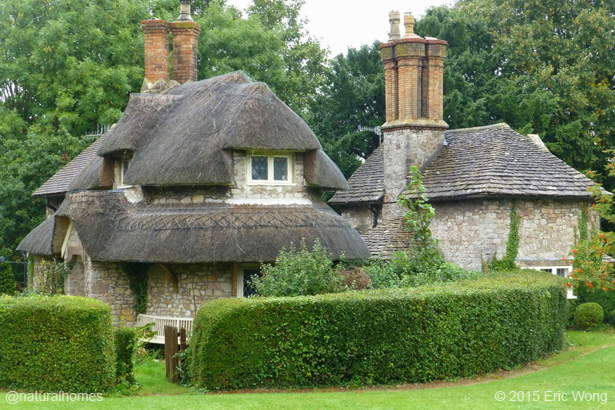
The life span of new construction is often assumed to be between 35 to 60 years. However, the reality is that these structures can remain functional and valuable far beyond this timeframe. This enduring utility challenges modern assumptions and reveals the profound impact of architectural longevity on sustainability.
.
Building codes today are meticulously crafted to ensure environmental compliance for the assumed lifespan of 35 to 50 years. Yet, buildings that outlast this period significantly mitigate environmental impact. Structures with a life span of 80 years can reduce their environmental footprint by 29% compared to their 50-year counterparts. Those reaching the century mark achieve a 38% reduction, and buildings enduring 120 years see an impressive 44% decrease in environmental impact.
Reflecting on construction practices from 150 years ago, it’s intriguing to consider whether contractors ever contemplated sustainability, energy efficiency, or green construction. The answer is likely no. Their focus was on utilizing the best materials available and demonstrating exceptional craftsmanship. This dedication to quality, rather than modern sustainability goals, laid the foundation for buildings that have stood the test of time.

.
Walking through the historic districts of European cities, one can find buildings over 200 years old that have remained largely unchanged in structure yet continue to serve contemporary needs. These buildings now boast modern amenities such as running water, electricity, and indoor plumbing. Many have been retrofitted with sprinkler systems to meet current safety standards. The ability to integrate these modern mechanical, electrical, and plumbing (MEP) systems into such old structures underscores the importance of a solid foundation.
The essence of a building’s longevity can be examined through the five stages of its life span: feasibility, design, construction, operation, and demolition. Conducting a thorough life cycle assessment during these stages not only optimizes energy use but also stimulates innovation and fosters a more sustainable world. Importantly, this process does not necessitate the demolition of very old structures to achieve sustainability goals. On the contrary, preserving and upgrading these enduring buildings can exemplify the pinnacle of sustainable development.
Modcoach Note
The long-lasting utility of buildings highlights a crucial lesson for contemporary architecture and engineering: sustainability is deeply intertwined with durability. By prioritizing longevity and quality in construction, we not only honor the craftsmanship of the past but also pave the way for a more sustainable future.
This holistic approach ensures that buildings remain valuable assets, reducing their environmental impact while evolving to meet the needs of successive generations.
.

CLICK HERE to read the latest edition

Contact Gary Fleisher