

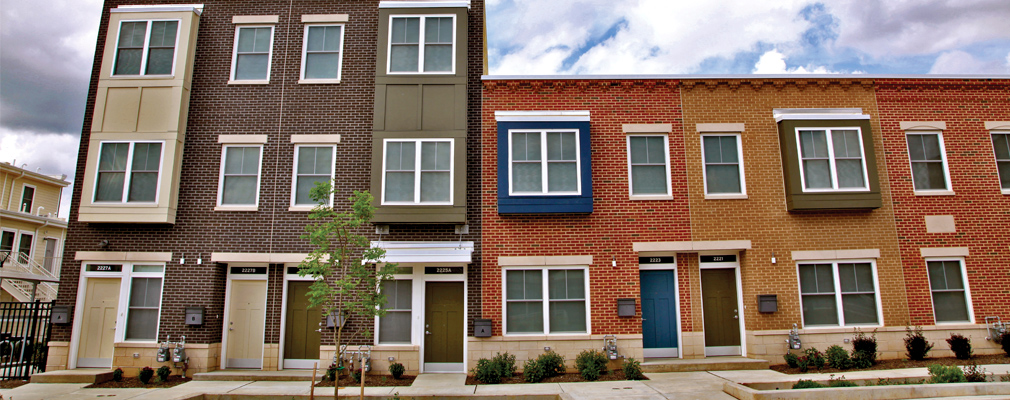
Subsidized housing has become one of the hottest topics in construction. Cities and states are under immense pressure to provide affordable homes, and modular and offsite factories often find themselves at the center of those conversations. Politicians love to stand in front of half-built modules and talk about innovation, efficiency, and speed. But what really matters to factory owners is simple: when does the money show up?

How Subsidized Housing Projects Start
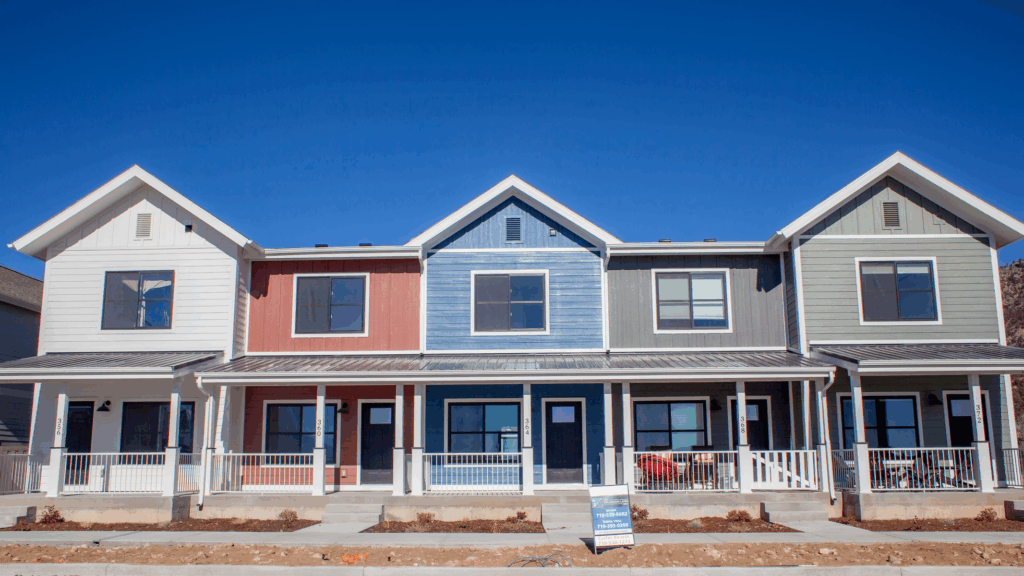
Most subsidized housing projects begin with a city or state issuing a request for proposals, better known as an RFP, to developers. The government doesn’t usually deal directly with the modular factory. Instead, the money is awarded to developers, nonprofit organizations, or housing authorities, who then contract with the factory to build the homes.
This means the factory is rarely the direct client of the government. The government may fund the project, but the legal agreement is typically between the developer and the factory. That distinction is critical because it determines how and when the payments are released.
Payment Timing for Factories
Factories never see a large check from the government upfront. Instead, payments are staged and tied to progress. At the beginning, when the developer signs a contract, the factory typically collects a deposit that might represent ten to twenty-five percent of the total order. This money almost always comes from the developer, who may have secured early-stage financing or partial government funding.
As modules move down the production line, the factory issues invoices tied to milestones. A project might trigger one invoice at the framing stage, another when the mechanical, electrical, and plumbing systems are installed, and another when the modules are completed and ready for delivery. These invoices must be reviewed and approved not only by the developer but often by inspectors assigned by the city or state. Only then are funds released, and it is not unusual for that approval process to take weeks.
The final portion of the money rarely arrives until after the modules are delivered, set on site, and signed off by inspectors. In other words, the factory must carry the cost of labor and materials for weeks or even months before receiving the last payment.
Where the Money Comes From
The dollars that eventually reach the factory come from a mix of sources. Some projects are supported through grants, which are direct subsidies awarded to the developer or nonprofit overseeing the housing. Others are financed using Low-Income Housing Tax Credits, where developers sell credits to investors in exchange for equity, and that equity helps fund the project. Occasionally, a housing authority may pay a factory directly, but that is the exception rather than the rule.
No matter the funding source, the factory almost always finds itself in line behind the developer. It is the developer’s responsibility to get the money released, and government funds do not move as quickly as private financing.
The Challenge for Factories
This is where the realities of cash flow hit hard. Materials must be purchased up front. Workers expect to be paid weekly. The electricity bill and insurance premiums don’t wait until the government signs off on the next draw. Subsidized housing may bring high visibility, but it brings slow cash.
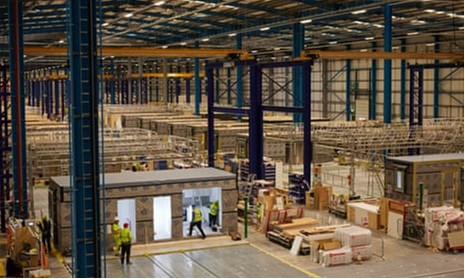
Smaller factories that only produce a handful of homes each month are particularly exposed. They don’t have deep reserves to float payroll while waiting for a developer to chase down paperwork. Even larger factories, with steadier throughput, can find themselves stretched thin when a subsidized housing project involves dozens of modules and millions of dollars in material commitments.
A Step-by-Step Case Study
Imagine a modular factory contracted to build twenty subsidized homes for a city project. The total contract is worth $4 million, or about $200,000 per home. At the signing of the agreement, the factory receives a 15 percent deposit — $600,000. That deposit covers initial material purchases and a few weeks of payroll, but it does not carry the project very far.
Production begins, and within six weeks the factory has framed the first ten homes. An invoice for another 25 percent of the contract is issued, but the developer cannot release funds until the city’s inspectors certify progress. That review takes an additional three weeks. The factory continues paying workers and ordering materials, draining the deposit while waiting for the next check. When it finally arrives, it provides another $1 million, which briefly stabilizes cash flow.
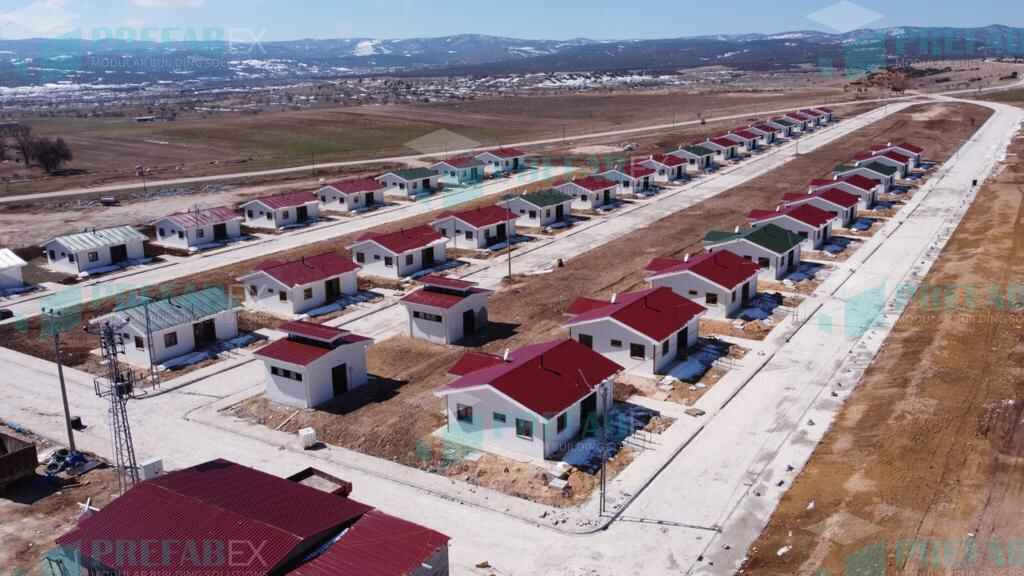
By the time the homes reach mechanical and electrical completion, the factory is deep into the project and another invoice goes out. Again, approvals take time. Another $1 million arrives after a lag, but at this point the factory has already paid suppliers and workers for nearly the entire twenty-home order.
The final payment — the last $1.4 million — does not come until the homes are delivered, set on site, inspected, and approved. Depending on weather, transport delays, or bureaucratic slowdowns, that could mean months of waiting while carrying heavy costs. The project is profitable on paper, but the factory has lived on a financial knife-edge the entire time.
Why a Business Plan Still Matters
Subsidized housing may seem like a secure market, but it comes with risks. Factories must negotiate contracts that provide deposits large enough to cover upfront costs. They must plan their cash flow carefully, building reserves and maintaining access to credit. Most importantly, they need a marketing and business strategy that ensures subsidized housing is one part of a diverse workload rather than their only source of revenue.
Without that plan, even the most well-intentioned subsidized housing project can cripple a factory. The risk isn’t just losing money. It’s ending up in the ironic position of building affordable housing for everyone else while fighting to keep your own doors open.
Modcoach Speaks Out
Subsidized housing can be a lifeline for modular and offsite factories, but only if they understand the timing of payments. Money arrives in stages, and usually only after modules are finished, inspected, and approved. A factory without a business and marketing plan is playing a dangerous game, no matter how noble the project might sound.
.
With over 9,000 published articles on modular and offsite construction, Gary Fleisher remains one of the most trusted voices in the industry.
.
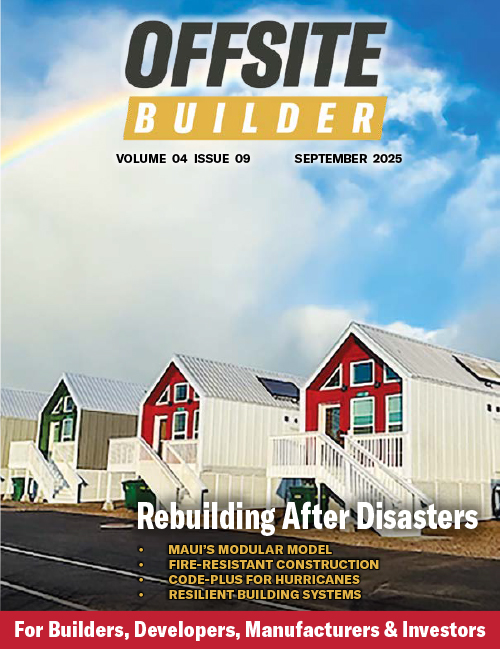
CLICK HERE to read the latest edition

Contact Gary Fleisher