





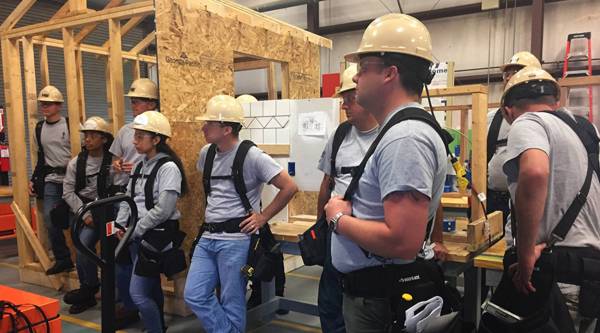
The Labor Shortage That Won’t Go Away
The U.S. construction industry isn’t just short on workers—it’s running out of time. Despite record spending on housing, infrastructure, and clean energy, contractors across the country are struggling to find the skilled labor needed to keep projects moving. According to the Associated Builders and Contractors, the industry will need to attract more than 439,000 new workers in 2025 just to meet demand. Nearly every construction firm surveyed by the Associated General Contractors reports difficulty filling open positions, and almost half admit that project delays are directly tied to the lack of labor.
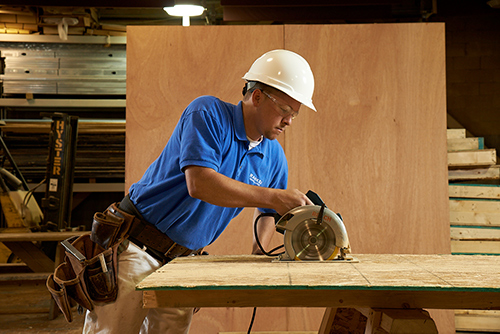
It’s not a temporary dip in numbers. It’s a structural failure decades in the making. The older generation of skilled tradespeople is retiring faster than they can be replaced, while fewer young people are entering the trades. The result? Rising wages, shrinking crews, and an industry desperate for innovation.
High Wages, Low Awareness
Wages in construction have climbed more than 20 percent since 2021—one of the steepest increases of any major industry. But the pay bump hasn’t solved the problem. Many young Americans don’t even realize how lucrative the trades have become, or they still associate construction work with the outdated image of long days, hard hats, and little opportunity for growth.
That’s a huge misconception. The industry today is rapidly transforming into one of the most technology-driven fields in the economy. From robotic layout systems and 3D printing to AI-assisted scheduling and digital twins, the jobsite is evolving into a place where technology and craftsmanship meet. The best opportunities ahead are for those who can weld steel and read code, pour concrete and program a machine.
Immigration, Infrastructure, and the Pressure Cooker Ahead
As immigration enforcement tightens, the loss of experienced laborers is making the crisis worse. The problem is particularly painful in states that rely heavily on immigrant workers, such as Texas, Florida, and California. At the same time, new federal infrastructure and manufacturing projects are soaking up what little skilled labor remains.

That means competition is fierce. Factories, data centers, modular home builders, and clean-energy projects are all fighting for the same shrinking labor pool. The labor shortage has become the silent cost driver behind delayed projects, missed housing goals, and escalating prices. Even the shift toward automation in offsite factories and prefab plants isn’t happening fast enough to close the gap.
The Rise of the New Builder
For Gen Z and younger Millennials, this crisis is an open invitation. The next generation of construction leaders won’t just swing hammers—they’ll operate robotics, manage data, and rethink how America builds. Offsite construction, modular housing, and smart factories are creating new kinds of career paths that merge tech and trade skills.
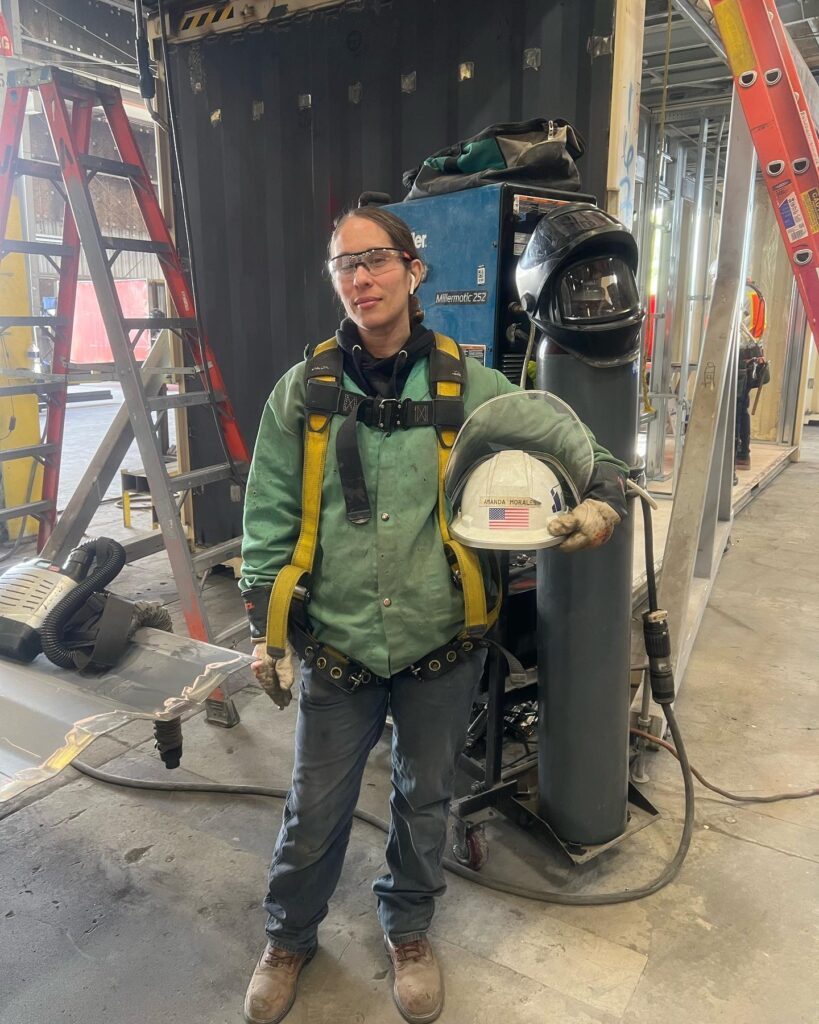
A young person entering the industry today can start in a factory setting, learn cutting-edge design software, and move into project management or entrepreneurship within a few years. The construction field has become one of the last great frontiers for those who want to build something real while shaping the digital future of how it’s done.
The Blueprint Forward
The labor shortage isn’t just a crisis—it’s an opportunity. The construction industry is standing at the edge of a generational shift. For those willing to step up, learn fast, and lead boldly, the rewards are extraordinary.
Because this isn’t just about rebuilding America’s infrastructure. It’s about rebuilding the image of what a builder looks like.
.
With over 9,000 published articles on modular and offsite construction, Gary Fleisher remains one of the most trusted voices in the industry.
.

CLICK HERE to read the latest edition

Contact Gary Fleisher