
For the last few years, ADUs have been treated like the polite guest at the zoning dinner table. Welcome, but only if they behave. Stay small. Stay behind the main house. Don’t get ideas.
That framing worked—at least politically. It helped cities loosen rules and homeowners accept something new in familiar neighborhoods. But it also trapped ADUs in a role they may never fully escape: being “accessory” in everything except cost.
For people between 24 and 50—renters trying to buy, professionals priced out of walkable neighborhoods, young families needing stability, and empty nesters not ready for condos—the real question isn’t whether ADUs are useful. It’s whether they can ever become standalone housing that actually belongs.
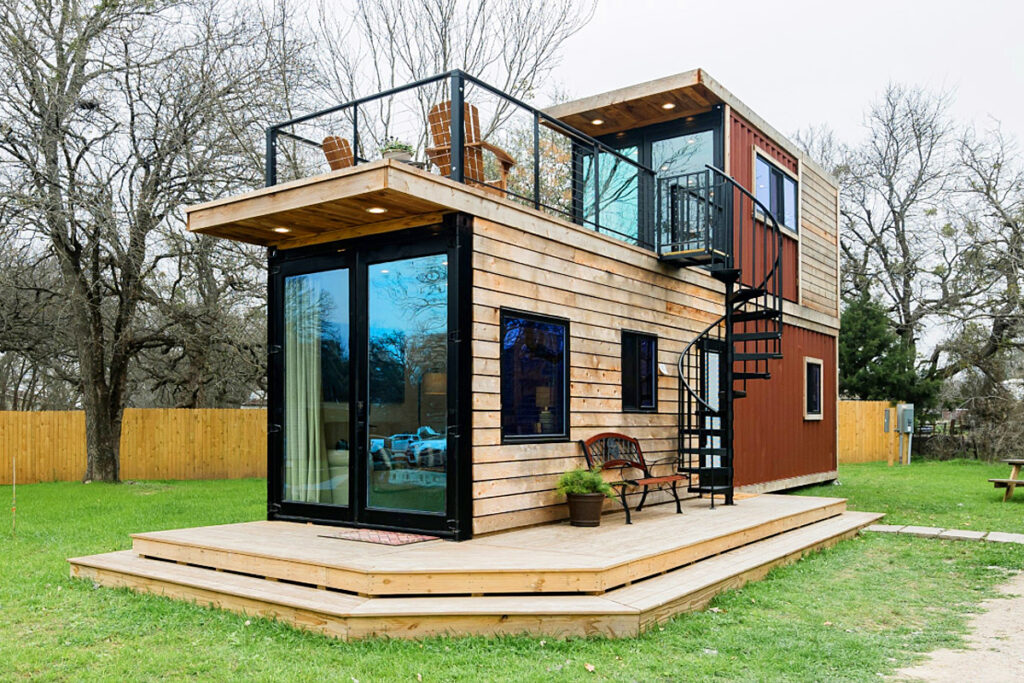
The answer is yes. And going modular may be what finally makes it practical.
The Problem With Calling Them “Accessory”
Words matter. Calling a home “accessory” immediately makes it second-class. It tells lenders it’s risky. It tells planners it should be limited. It tells neighbors it’s temporary and controllable.
Most current ADU regulations still require an existing primary home on the lot. Ownership is tied together. Financing is awkward. Selling separately is often impossible. That’s fine if the goal is a rental in the backyard or a place for family. It fails completely if the goal is to create meaningful housing supply.
As long as ADUs are legally secondary, they will never be treated as primary housing—no matter how well they’re designed or how badly they’re needed.
Where Standalone ADUs Are Already Sneaking In
Here’s the quiet truth: ADUs are already becoming standalone housing. They’re just doing it under different names.
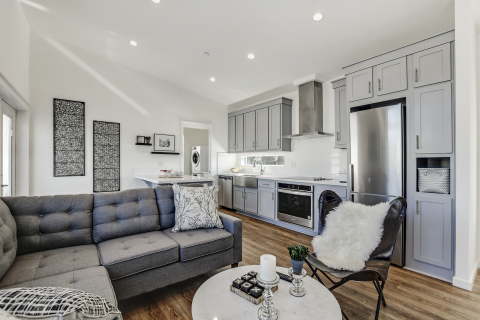
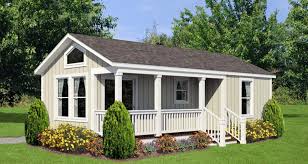
Across the country, small detached homes are being approved as cottages, pocket homes, or small-lot houses. They look exactly like ADUs. Same size. Same floor plans. Same livability. The only real difference is the label.
Once the word “accessory” disappears, everything changes. Financing becomes easier. Units can be sold individually. Neighborhood resistance softens. The same building that would cause outrage as an ADU suddenly feels acceptable as a “small home.”
That sleight of hand matters—and modular construction makes it easier to pull off.
Why Modular Changes the Economics Completely
This is where the conversation usually shifts from theory to reality.

Site-building dozens of small homes is expensive, slow, and surprisingly inefficient. Labor still has to show up every day. Weather still interferes. Schedules still drift. And small homes don’t always pencil well when built one at a time.
Modular construction flips that equation.
Factory-built small homes thrive on repetition. A 500- to 900-square-foot design is ideal for modular production. Fewer details. Fewer variables. Faster cycles. Predictable costs. What’s difficult to control on-site becomes manageable in a factory environment.
For developers and municipalities, that predictability is the difference between a pilot project and a real neighborhood.
Speed Matters More Than People Admit
One of the biggest unspoken advantages of modular small-home communities is speed to occupancy.
For younger buyers and renters, timing matters. Interest rates change. Jobs move. Life happens. Waiting two years for a small development to get built often kills demand before the first home is finished.
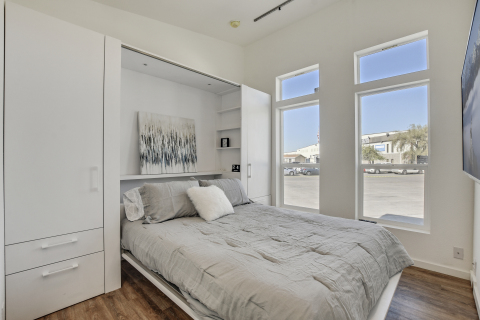
Modular construction compresses timelines. Foundations can be prepared while homes are built indoors. Delivery and set happen in days, not months. Entire neighborhoods can appear in phases that feel intentional instead of disruptive.
That speed doesn’t just help developers. It helps communities absorb density without living in a construction zone for years.
Consistency Reduces Neighborhood Pushback
Here’s something cities rarely say out loud: they’re more comfortable approving housing when they know exactly what it will look like.
Modular helps here too.
Repeatable designs, consistent exterior finishes, and predictable site layouts reduce the fear of “what’s coming next.” Neighbors worry less when they see cohesive streetscapes instead of one-off experiments. Planning boards relax when they know the tenth unit will look like the first nine.
Modular doesn’t just build homes. It builds confidence.
Small Homes, Big Scalability
Standalone ADU-style housing only works if it scales. One backyard unit here and there doesn’t move the needle. Neighborhoods do.
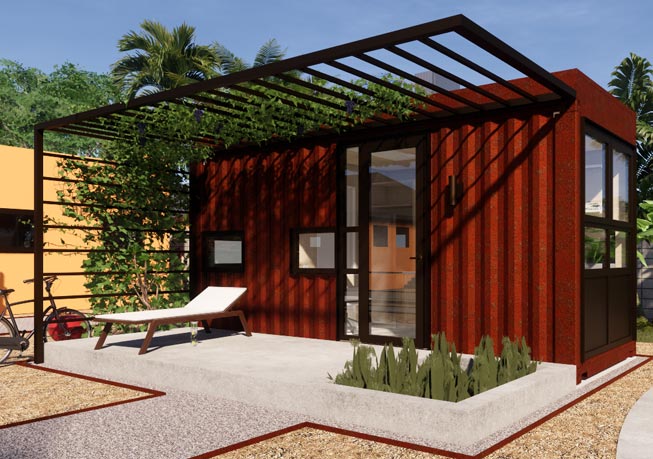
Modular allows small-home concepts to scale without becoming high-risk bets. Developers can start with a limited number of units, prove demand, then expand. Cities can test zoning changes without committing to massive projects. Builders can refine designs instead of reinventing them every time.
That scalability is what turns ADU ideas into real housing solutions.
This Was Never About Architecture
Let’s be honest. This debate has never been about what these homes look like. It’s about control, risk, and fear of unintended consequences.
Modular construction doesn’t remove those fears—but it softens them. It introduces predictability into a system that desperately needs it. And predictability is what allows cities to loosen their grip.
The Future Won’t Be Called ADUs—and It Will Be Built Offsite
If standalone ADU-style housing becomes common, it won’t wear the ADU label. It will be marketed as cottages, workforce homes, or missing-middle neighborhoods.
And if it succeeds, there’s a good chance much of it will be built in factories, not backyards.
ADUs changed the conversation about how small a real home can be. Modular construction may be what finally turns that conversation into entire neighborhoods that make sense—for buyers, cities, and builders alike.
.
With more than 10,000 published articles on modular and offsite construction, Gary Fleisher remains one of the most trusted voices in the industry.
.
CLICK HERE to read the latest edition

Contact Gary Fleisher