



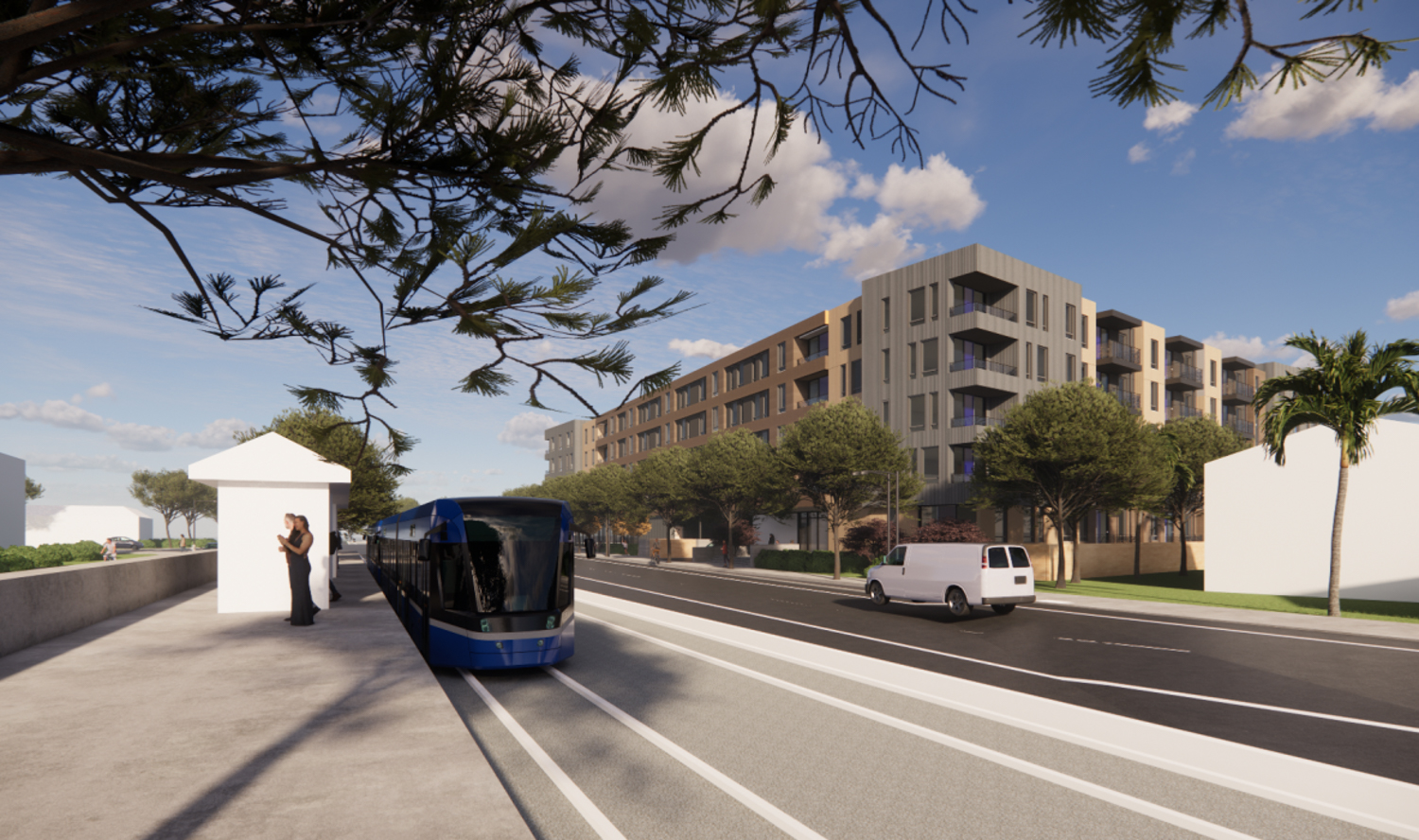
For decades, the idea has made perfect sense on paper: if you want more people to ride public transit, put affordable housing right next to it. In Santa Clara County, that idea is finally moving from paper to pavement.
After nearly 20 years of dormancy, the Valley Transportation Authority (VTA) is once again turning underused land at transit stations into affordable housing—projects that promise not only roofs over people’s heads, but also stronger ridership, steadier lease revenue, and more vibrant transit hubs.
The reopening chapter begins at the Tamien light rail station, tucked between the Willow Glen and Alma neighborhoods, about 10 blocks from downtown San Jose. There, VTA is opening its first new transit-oriented apartment complex in two decades: 135 affordable units paired with a child care center and an upgraded transit plaza. It’s a tangible signal that VTA’s long-stalled housing ambitions are finally back on track.
Affordable, but Deeper Than “Affordable”
In Santa Clara County, “affordable housing” often applies to households earning up to 80% of area median income—roughly $195,200. That figure alone tells you how distorted the region’s housing market has become.
What makes VTA’s approach noteworthy is that it goes deeper. At Tamien, apartments are restricted to individuals and families earning between 60% and 30% of the county’s median income—levels where housing scarcity is most acute. This is housing aimed at workers who keep the region running: service employees, caregivers, entry-level professionals, and families who have long been pushed farther from jobs and transit.
And Tamien is just the start.
More Stations, More Homes, More Riders
Later this year, VTA plans to break ground on two more transit-adjacent developments. One will rise near the Berryessa BART station, adding 195 apartments. Another is planned at VTA’s Capitol station, with 203 units. Residents at these sites will receive transit passes—a small detail that carries big implications.
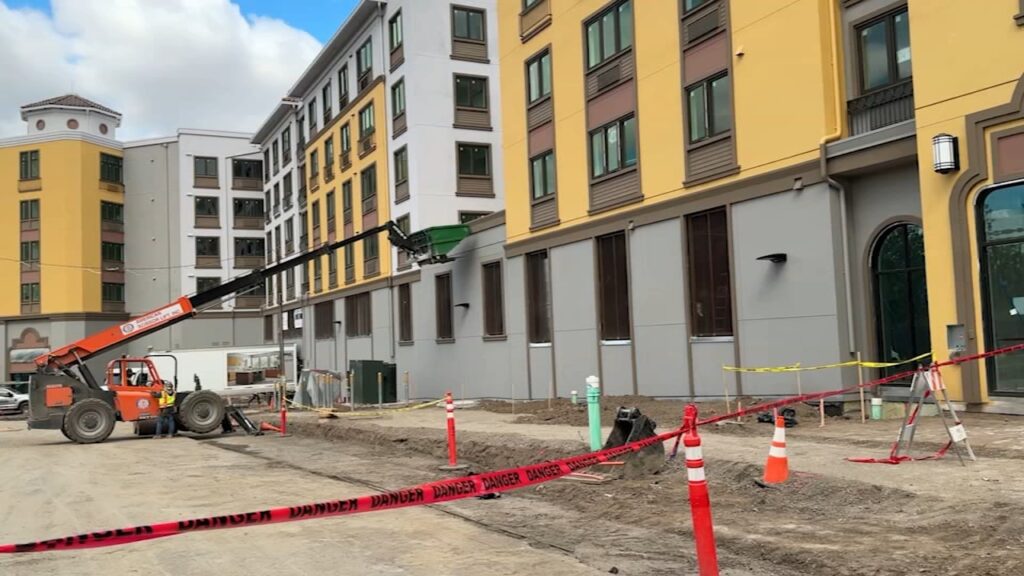
These projects don’t just generate lease income on VTA-owned land. They create a built-in rider base. People who live steps from trains and buses are far more likely to use them daily—for commuting, errands, and work. In an era when transit agencies nationwide are struggling with post-pandemic ridership recovery, that matters.

Josselyn Hazen, VTA’s transit-oriented development manager, has noted that similar projects last took shape in the early 2000s, before going quiet until around 2016. What’s different now is urgency. Housing shortages are worse, construction costs are higher, and the pressure to deliver faster is intense.
That’s where modular construction deserves a seat at the table.
Where Modular Construction Fits the VTA Puzzle
Transit-oriented developments come with constraints that make traditional construction slow and expensive. Stations are often surrounded by active rail lines, limited staging space, and tight urban footprints. Lengthy on-site construction disrupts neighborhoods and transit operations alike.
Modular construction addresses many of those pain points.
Factory-built apartment modules can be produced while site work is underway, compressing schedules by months. Modules arrive largely complete—walls finished, systems installed—and are set quickly, reducing noise, traffic, and on-site labor demands. For projects next to live transit infrastructure, that speed isn’t just convenient; it’s strategic.
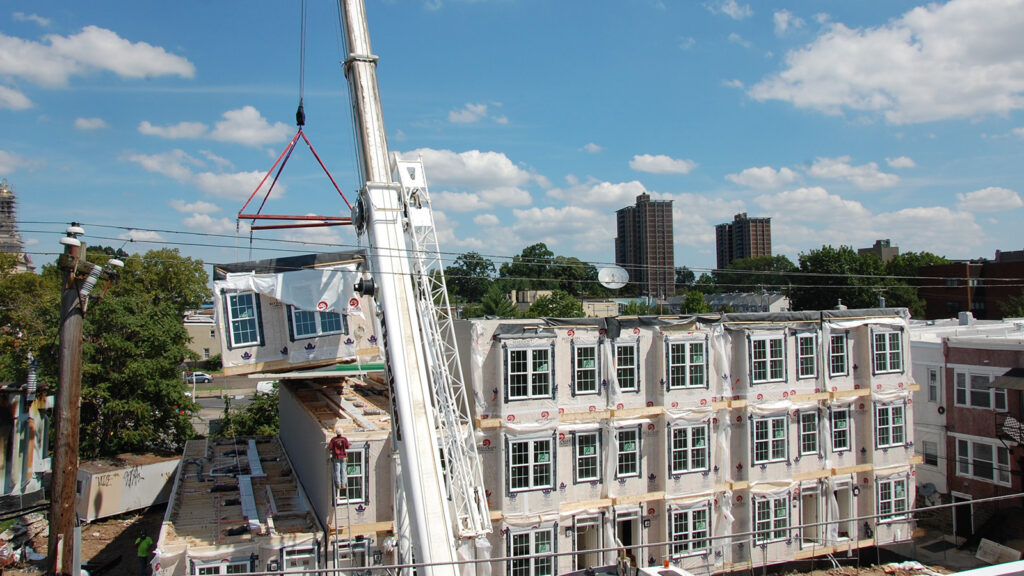
Photo – VBC Modular
There’s also predictability. Modular factories operate in controlled environments, which helps stabilize costs and reduce weather delays—two factors that routinely derail affordable housing budgets. For agencies like VTA, where public accountability and fixed funding sources are the norm, predictability can be as valuable as speed.
Just as important, modular construction scales well. If VTA is serious about reactivating dozens of station sites across Santa Clara County over time, a repeatable, factory-based housing model could turn one-off projects into a program.
A Broader Opportunity Hiding in Plain Sight
VTA’s renewed push highlights a larger, often overlooked opportunity. Transit agencies across the country control significant parcels of land near stations—land originally assembled for infrastructure, not housing. As cities struggle to find buildable sites for affordable homes, those parcels are suddenly invaluable.
Pairing transit-owned land with modular construction could unlock a new housing playbook: faster delivery, lower disruption, and housing that naturally supports public transportation rather than competing with it.
The Tamien project won’t solve Santa Clara County’s housing crisis. Neither will Berryessa or Capitol on their own. But together, they mark a shift—from viewing transit stations as endpoints to seeing them as anchors for community life.
After 20 years of waiting, VTA is moving again. If modular construction becomes part of the strategy, it may also help ensure that this time, the momentum doesn’t stall.
.
With more than 10,000 published articles on modular and offsite construction, Gary Fleisher remains one of the most trusted voices in the industry.
.
CLICK HERE to read the latest edition

Contact Gary Fleisher