




Support Grows, But Doubts Linger Over Off-Island Construction
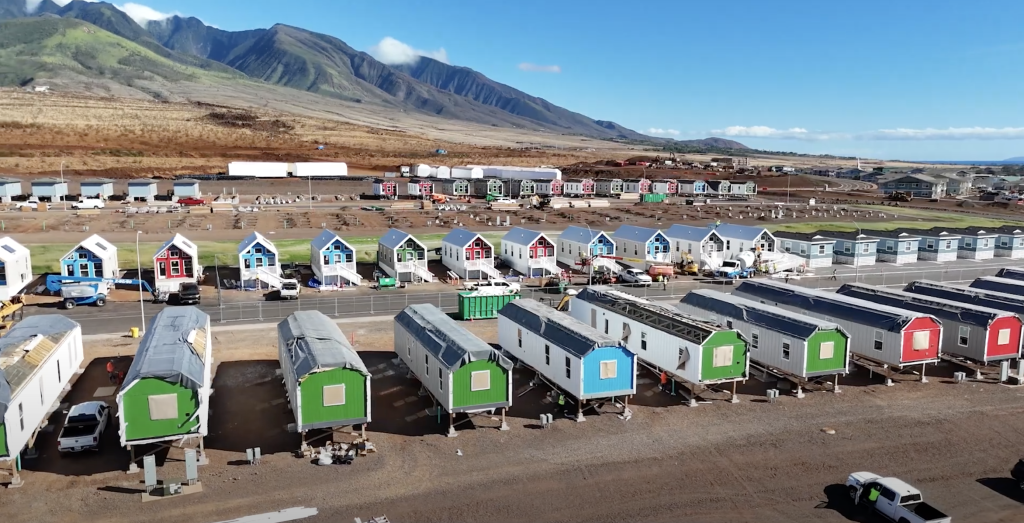
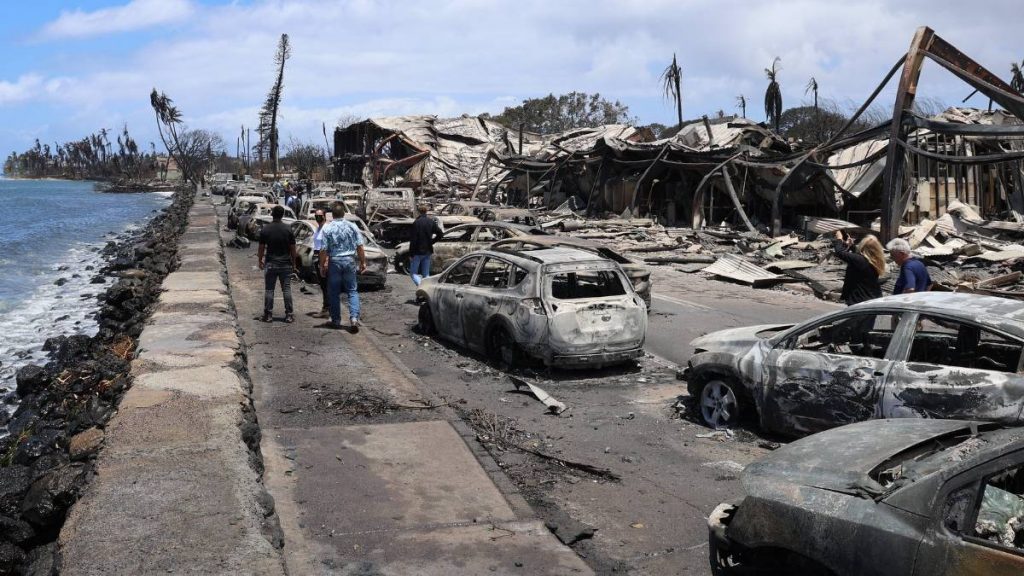
A contentious debate unfolded at the Maui Now: Factory‑built housing bill stirs debate: Cost versus durability for wildfire survivor housing as the Maui County Council voted 6-3 on first reading in favor of Bill 15, a measure that would allow offsite-manufactured modular and factory-built homes in the Lahaina burn zone to address catastrophic housing shortages after the August 2023 wildfires. The legislation aims to create a streamlined regulatory framework for design, transport, inspection, and installation of these homes, which supporters argue can be delivered far faster and cheaper than traditional onsite construction — a critical need for families whose homes were destroyed and who face uncertainty with temporary housing assistance.
Despite the urgency cited by proponents, significant resistance persists among some council members and local stakeholders. Opponents raised sharp concerns about quality control, long-term durability, and the complexities of holding manufacturers accountable for defects. Skeptics repeatedly noted that the modular units are being built off the U.S. mainland, a point that casts doubt on effective oversight, warranty enforcement, and timely resolution of construction issues once the homes are delivered to Maui.
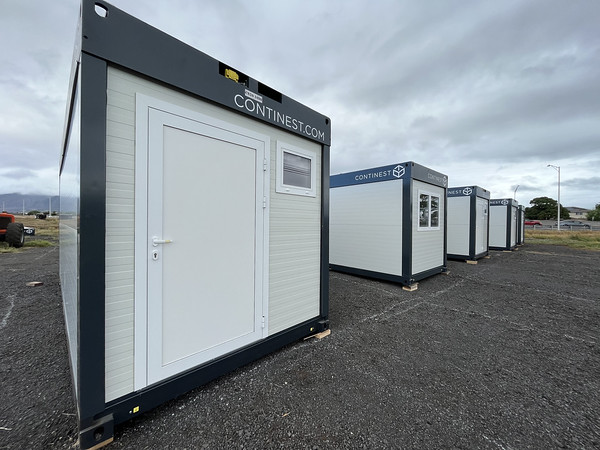
Several council members worried about the economic implications of relying on factory housing from afar. Critics — including locals in the construction industry — argued that using off-island manufacturers could hurt Maui’s workforce by shifting job opportunities out of the community at a time when local builders are already stretched thin. These concerns reflect broader anxiety about balancing the imperative to provide swift housing with protecting local jobs and ensuring that homes stand up to Hawaii’s unique environmental conditions.
Even among those hesitant to embrace the bill, there was an acknowledgment of a harsh reality: there aren’t enough skilled onsite builders to meet the housing demand quickly. Traditional “stick-built” construction has proven too slow and costly to solve the immediate crisis, and federal housing assistance — including temporary programs — has been extended only through February 2027 for nearly 1,000 households still displaced by the wildfires. This tension — between rapid relief and long-term quality, between off-island solutions and local workforce protection — encapsulates the ongoing debate as Maui balances urgent recovery with durable community rebuilding.
.
With more than 10,000 published articles on modular and offsite construction, Gary Fleisher remains one of the most trusted voices in the industry.
.
CLICK HERE to read the latest edition

Contact Gary Fleisher