




Something is shifting in Pennsylvania. For years, the conversation around the housing shortage has revolved around funding gaps, labor shortages, and material costs. But now, leaders are beginning to acknowledge a harder truth: the cost of regulation itself has become one of the most expensive line items in every home built. When Gov. Josh Shapiro called for a $1 billion investment to address the state’s housing shortfall, it wasn’t just about writing checks. It was an admission that supply is constrained — and that the systems governing housing production may be part of the problem.
In Philadelphia, Mayor Cherelle Parker has paired large-scale funding proposals with a more practical acknowledgment: you cannot solve a housing crisis while forcing every project through a maze of approvals, zoning variances, inspections, and duplicative oversight. Her ambitious housing initiative aims to build and preserve tens of thousands of units, but even the most generous budgets struggle when regulatory timelines stretch projects by months — sometimes years. Every delay adds carrying costs. Every added compliance requirement increases engineering expenses. And every jurisdictional interpretation shift adds risk pricing into the final home.
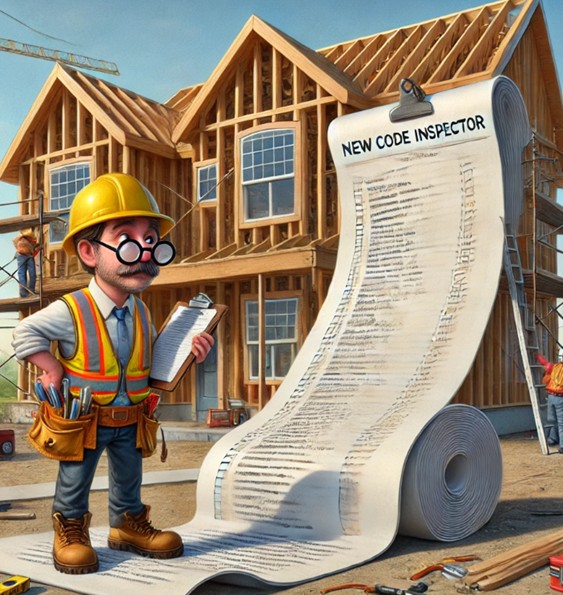
This is where offsite construction quietly enters the conversation — not as a trendy innovation, but as a regulatory workaround strategy. Factory-built housing thrives on standardization, repeatability, and controlled inspections. Yet in many states, modular builders must satisfy both state-level industrialized housing requirements and local code interpretations once the modules arrive on site. That dual compliance structure can erase much of the efficiency offsite is designed to create. Leaders in Pennsylvania appear to be recognizing that if factory production is going to help close the supply gap, regulatory alignment must come with it. Otherwise, we’re just adding modern manufacturing into an outdated approval framework.
“Whether it’s stormwater regulations, building codes ― we are just bogged down in red tape,” A recent survey of offsite builders around the state showed that 30% of their costs go toward regulatory issues, with nearly half of that before construction starts.
The wake-up call isn’t about whether modular or panelized construction “works.” It does. The real issue is whether policymakers are willing to streamline zoning, accelerate permitting, reduce redundant inspections, and treat housing production as essential infrastructure instead of a political chess piece. Pennsylvania’s current housing push suggests that at least some leaders understand that throwing money at the shortage without addressing regulatory friction simply inflates costs further. If the state truly wants more housing — and faster — reforming how we regulate it may be the most powerful tool of all.
.
With more than 10,000 published articles on modular and offsite construction, Gary Fleisher remains one of the most trusted voices in the industry.
.
CLICK HERE to read the latest edition

Contact Gary Fleisher