





If you’re speaking at IBS this year, you’ve probably spent weeks polishing your presentation. The slides look great. The data is solid. You’ve rehearsed every transition until it feels smooth and natural. You may even have a few jokes ready in case the audience needs a wake-up call.
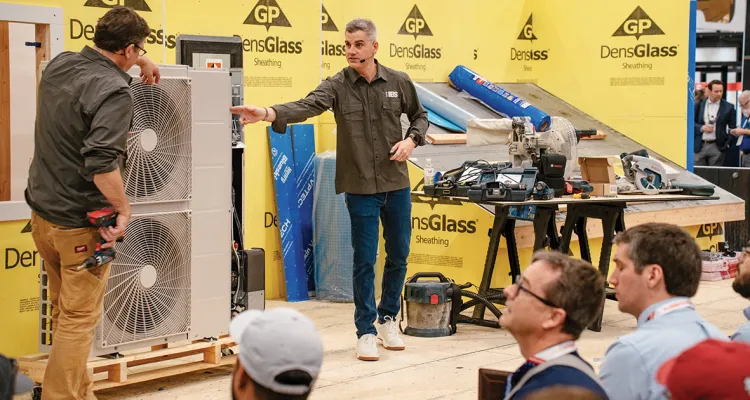
But here’s the uncomfortable truth most speakers don’t like to think about: when you walk off that stage, most of what you said will already be fading from memory.
On a good day, conference attendees retain only about 20–40% of a 30-minute presentation. And that’s assuming you were engaging, relevant, and didn’t put half the room into a post-coffee nap. If your talk feels like a slow march through bullet points or a technical deep dive with no air in it, retention can drop to 10–20%. That means if you deliver a 4,000-word talk, the average listener may walk away remembering only 500 to 1,500 words. By the time they hit the next session—or the exhibit hall—they’ll remember even less.
Let that sink in for a moment.
You didn’t spend all that time preparing just to be forgotten by lunch.
The problem isn’t that your audience doesn’t care. It’s that their brains are overloaded. IBS is a sensory marathon. Thousands of people. Thousands of booths. Dozens of sessions. Endless conversations. Their phones buzzing. Their bosses texting. Their customers emailing. Their feet hurting. Their stomachs reminding them they skipped breakfast. Attention spans today max out at about 10 to 15 minutes before the mind starts wandering. If you don’t pull them back in, you lose them.

And yet, many presentations at IBS still look like they did twenty years ago. Dense slides. Technical jargon. Speakers reading bullet points that the audience can read faster than they can listen. It’s no wonder retention drops off a cliff.
Here’s the good news. This problem is fixable.

The most memorable presentations are not the most detailed or the most complex. They’re the most human. The speakers who connect are the ones who tell stories, show real-world examples, admit mistakes, and make the audience feel something. Humor helps. So does honesty. If you can get people to nod, laugh, or quietly say to themselves, “That’s exactly what we’re dealing with,” you’ve won half the battle.
Relevance is everything. If your audience doesn’t see how your message applies to their business, their daily frustrations, or their bottom line, they mentally check out. They may still be sitting in their chair, but their brain has already left for the exhibit floor.
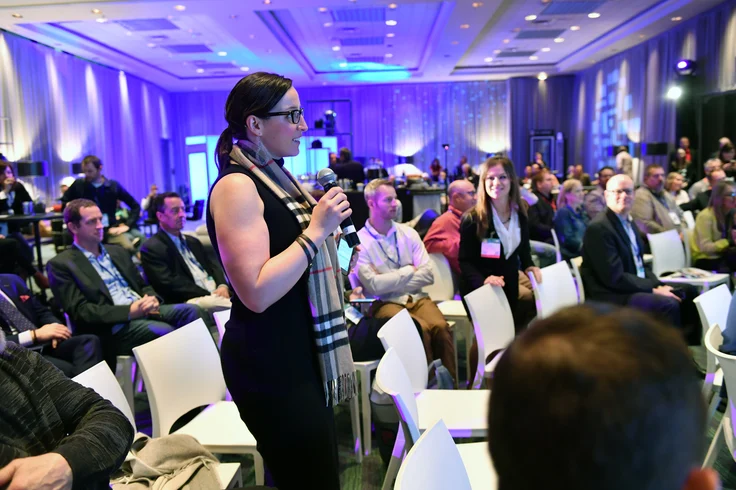
Another overlooked factor is participation. The moment you ask a question, request a show of hands, or invite the audience to think about their own experience, engagement jumps. Even small moments of interaction reset attention. They wake people up. They make your talk feel like a conversation instead of a lecture.
Repetition also matters more than most speakers realize. People rarely retain something the first time they hear it. Your key message should appear at the beginning, throughout your talk, and again at the end. If your most important idea is buried in slide 27 and mentioned once, it’s gone.
And please, give your audience something to take with them. A short summary. A checklist. A digital resource. Three simple ideas they can implement on Monday morning. The goal isn’t to impress them with how much you know. It’s to help them remember something useful.
Because here’s the real goal of speaking at IBS. It’s not applause. It’s not compliments in the hallway. It’s not even the number of people in your session.
It’s what happens after they leave.
Do they try your idea?
Do they change something in their business?
Do they remember your name six months from now?
Or do they remember only the breakfast burrito someone recommended before your session?
If you want your message to stick, make it clear, make it relevant, make it human, and repeat the parts that matter. Your audience doesn’t need more information. They need something they can actually use.
And if you’re speaking at IBS this year, that may be the most important thing you bring to the stage.
.
With more than 10,000 published articles on modular and offsite construction, Gary Fleisher remains one of the most trusted voices in the industry.
.

CLICK HERE to read the latest edition

Contact Gary Fleisher