
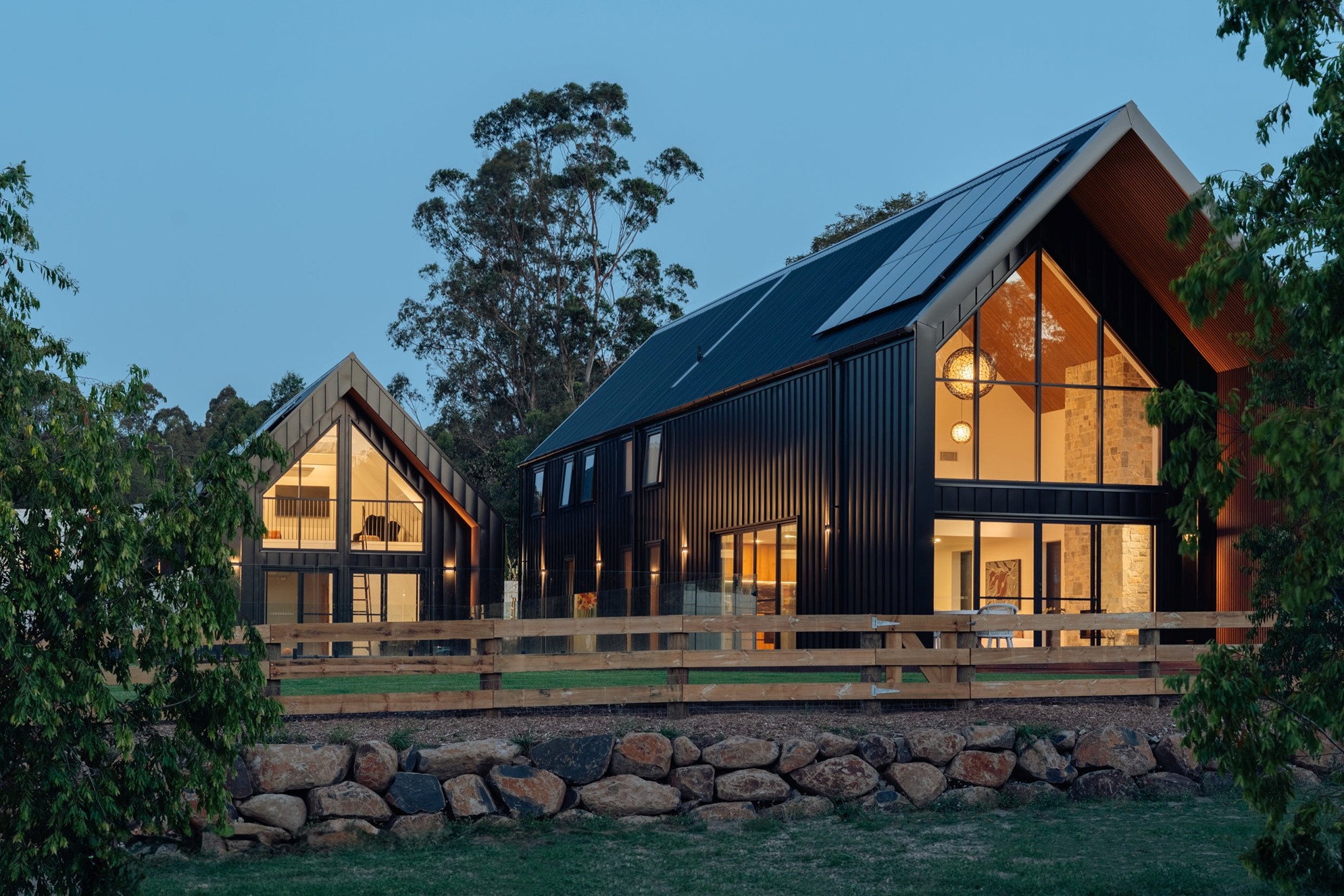
In Australia, the humble shed has always carried more meaning than just a place to store tools. It’s where ideas are built, repairs are made, and independence is lived out day by day. What Shed House Australia has done is take that deeply familiar structure and elevate it into something entirely new—a legitimate, scalable answer to the growing housing affordability crisis.
This isn’t a novelty concept or a design experiment. It’s a rethinking of what a home can be when cost, labor, and time are no longer ignored but addressed head-on.
Flat-Pack Living Meets Real-World Constraints
On Kangaroo Island, where construction challenges are amplified by isolation and limited access to skilled trades, one project captured the essence of this approach. Instead of waiting months—or years—for a traditional build to unfold, the homeowners ordered a kit that arrived largely ready to assemble, with pre-engineered components designed to simplify the process from day one.
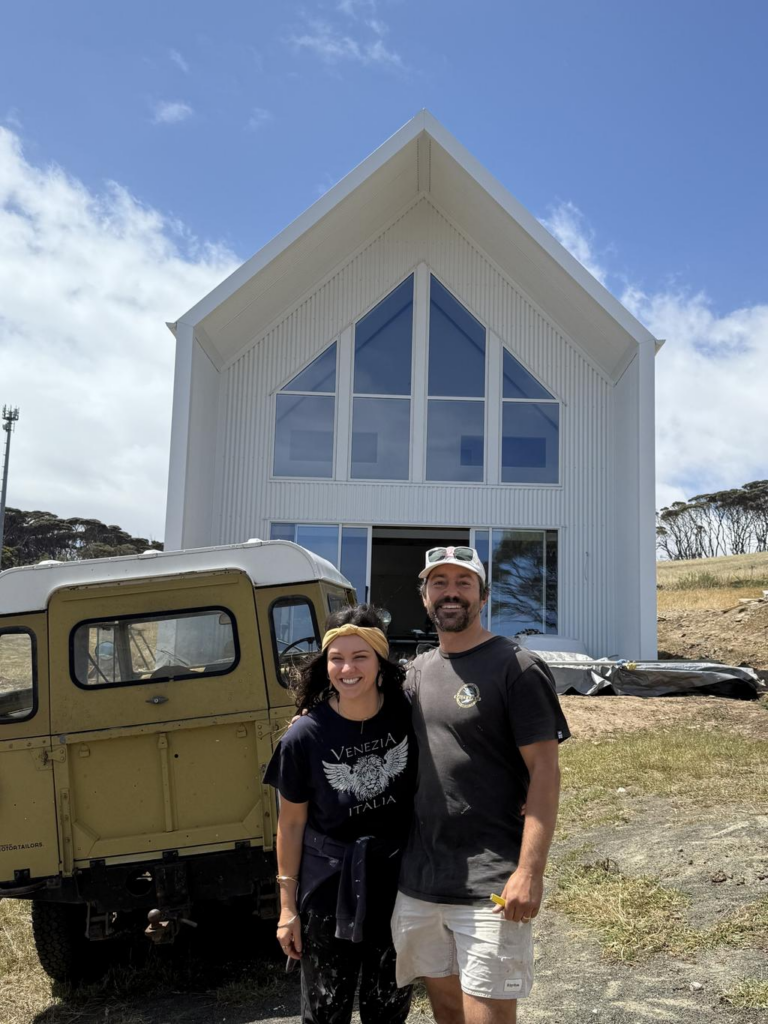
Joe and Sarah Relic’s shed house on Kangaroo Island.
Everything needed to reach lock-up stage came in a coordinated delivery, allowing the owners to take control of the timeline rather than being held hostage by it. That shift—from dependency to control—is one of the most powerful, and often overlooked, advantages of this model.
The Economics No One Can Ignore
Affordability is where Shed House stops being interesting and starts being disruptive. Reports suggest these homes can be delivered at roughly 30% to 40% less than conventional construction, a margin that doesn’t just save money but fundamentally changes who can participate in the housing market.

The savings don’t come from cutting corners. They come from reducing friction—fewer trades, shorter timelines, simplified engineering, and a supply chain that behaves more like manufacturing than traditional construction. When those elements align, cost predictability improves, and the financial risk that often derails projects begins to shrink.
Architecture Without the Ego
One of the biggest misconceptions about alternative housing is that it sacrifices design, but Shed House quietly challenges that assumption. These homes are not crude conversions of agricultural buildings but thoughtfully designed spaces that leverage steel framing to create open interiors, flexible layouts, and clean architectural lines.
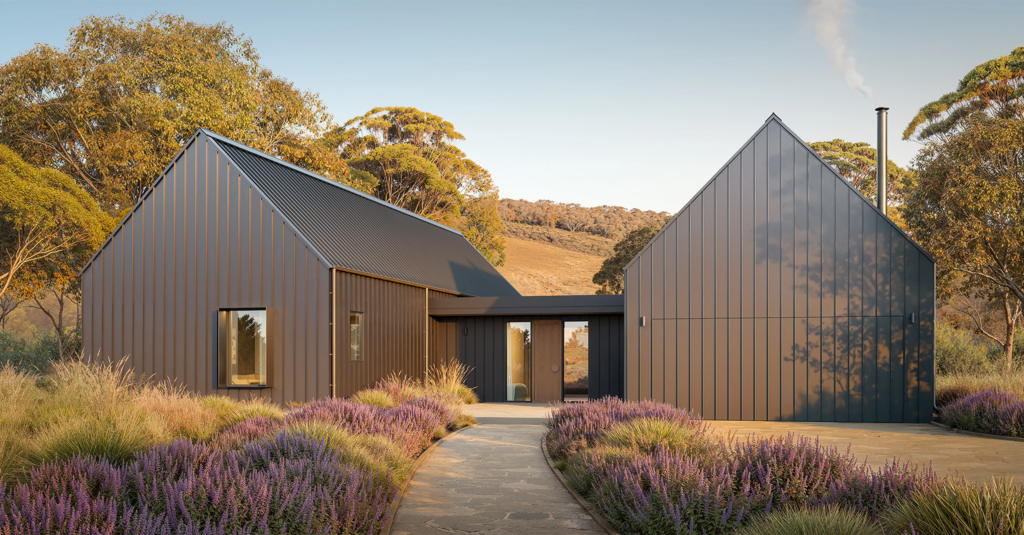
The result is a style that feels both modern and grounded, equally at home in rural landscapes or emerging suburban developments. It’s architecture without unnecessary complication, where form follows function without losing its sense of identity.
A Build System That Empowers, Not Intimidates
Perhaps the most compelling aspect of the Shed House model is how it redefines the role of the homeowner. Instead of being a passive participant navigating a maze of contractors and delays, the owner becomes an active part of the build process, often managing significant portions of the work with only essential trades brought in where required.
This shift does more than save money. It creates engagement, understanding, and a sense of ownership that goes far beyond signing a contract and waiting for completion.
Why This Matters Beyond Australia
Australia may be the backdrop, but the implications stretch far beyond its borders. Housing affordability pressures are global, and the same constraints—labor shortages, rising material costs, and regulatory complexity—are being felt everywhere.
Shed House represents a convergence of trends that many in the offsite industry have been discussing but few have executed this cleanly: simplified design, offsite efficiency, and a system that allows for partial self-build without sacrificing quality. It’s not just an alternative; it’s a signal that the market is ready for something different.
The Quiet Shift Happening in Plain Sight
What makes this story even more compelling is the absence of hype. There’s no massive venture capital push or aggressive marketing campaign driving the narrative. Instead, there’s steady growth, real projects, and a concept that continues to gain traction because it works.
By taking something as ordinary as a shed and reimagining it as a home, Shed House has tapped into a level of practicality that resonates with people who are tired of waiting for traditional housing solutions to catch up with reality.
What the Offsite Industry Should Be Watching
For those of us in offsite construction, this isn’t just another innovation to admire from a distance. It’s a reminder that the most impactful ideas are often the simplest ones, executed well and aligned with what people actually need rather than what the industry thinks they should want.
Shed House didn’t try to out-engineer the competition or overwhelm the market with technology. It focused on removing barriers, simplifying decisions, and delivering a product that people can understand, afford, and build.
Modcoach Observation

I’ve spent years watching this industry chase the next big thing—automation, robotics, AI-driven factories—while affordability continues to slip further out of reach for many buyers. What Shed House proves is that innovation doesn’t always mean adding more; sometimes it means stripping the process down to its essentials and rebuilding it with clarity.