The editors at Realtor.com keep making the same mistake—and it’s not a small one. It’s confusing buyers, frustrating builders, and muddying an already misunderstood segment of the housing industry.
In a recent article, they wrote: “Manufactured housing—which can include everything from prefabricated homes built on the assembly line, modular building and precision paneling and materials—remains relatively niche in the homebuilding world.”
NOT!
Manufactured Is Not Modular

“Manufactured Housing” is a federally defined term under the U.S. Department of Housing and Urban Development. It refers to homes built to the HUD Code—a national standard created in 1976.
These are the homes most people still (rightly or wrongly) associate with mobile home communities.
That’s not an insult. It’s just a fact.
Modular Is…Just Housing


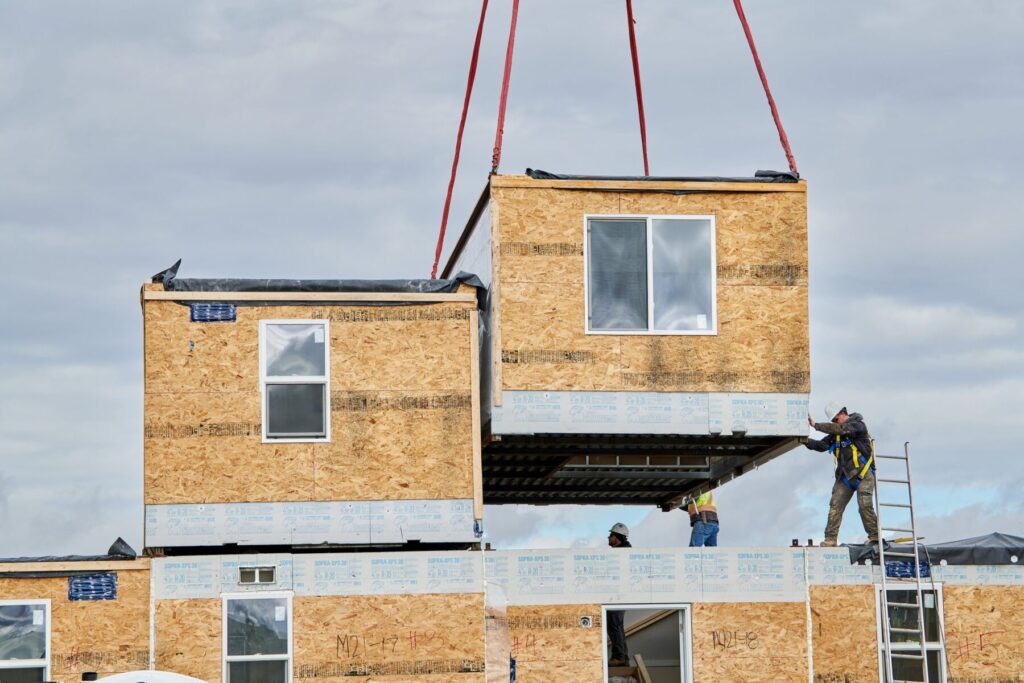
Modular homes are built in a factory, yes.
So what?
They are constructed to the same state and local building codes as any site-built home. The same inspections. The same engineering. The same expectations.
Once set on a foundation, they are real property. Appraised the same. Financed the same. Lived in the same.
The only difference is where they were built—not what they are.
Why This Matters
When major platforms blur these definitions, they do more than misuse terminology. They:
Confuse first-time buyers.
Undermine the builder’s credibility.
Slow adoption of offsite construction.
And worst of all, they reinforce a stigma that the modular industry has spent decades trying to overcome.
Cousins, Not Siblings
Manufactured homes and modular homes both come from factories.
That’s where the similarity ends.
Lumping them together is like calling every vehicle a pickup truck because they all roll off an assembly line.
It’s lazy. And it’s wrong.
Modcoach Observation
If the largest real estate platforms in the country can’t get the basics right, how can we expect buyers to trust what they’re reading?
This isn’t about semantics. It’s about credibility.
Realtor.com—do better.