



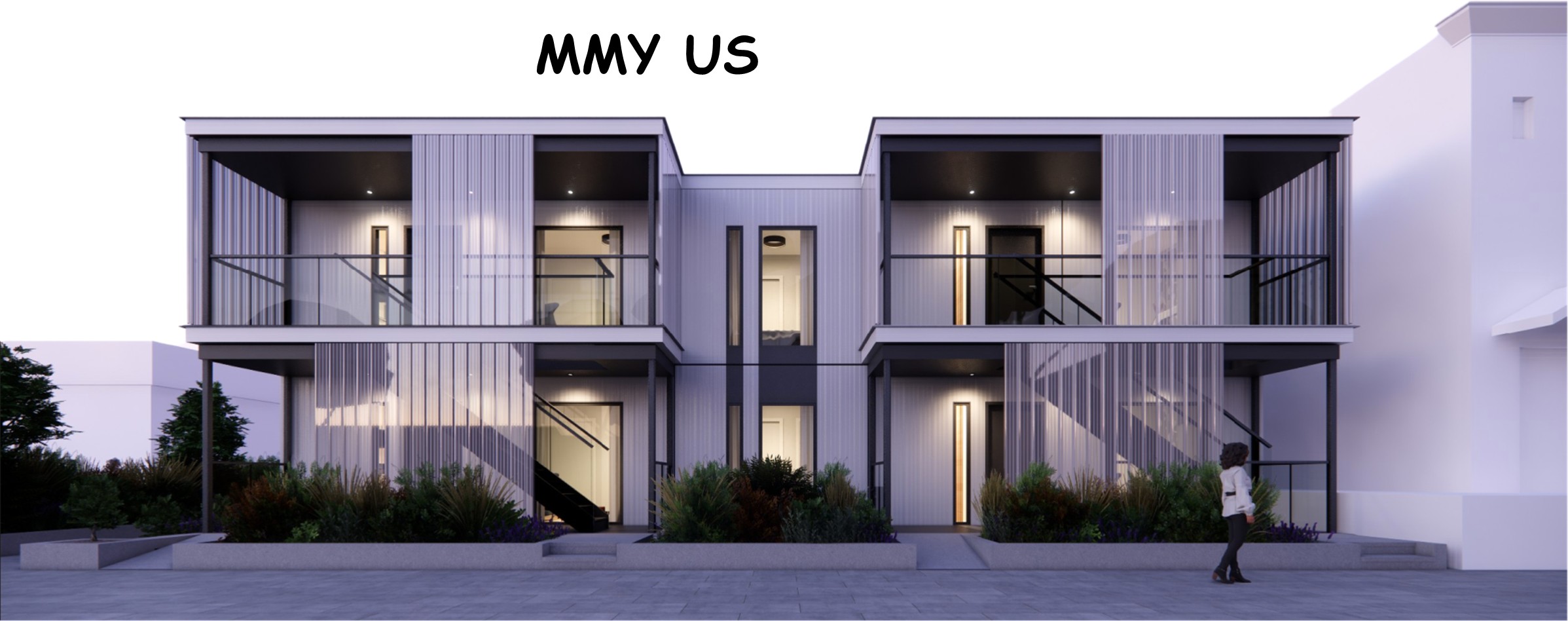
Every few years, an announcement comes along that deserves more than a quick news story. It deserves a closer look because it could signal a much bigger shift than most people realize at first glance. That may be exactly what happened when Cleveland Mayor Justin Bibb announced that MMY US will build a modular home manufacturing facility in the city. At first glance, it sounds like another factory opening. The offsite construction industry has seen plenty of those announcements over the years. Some have become tremendous success stories, while others have quietly disappeared before they ever reached full production.
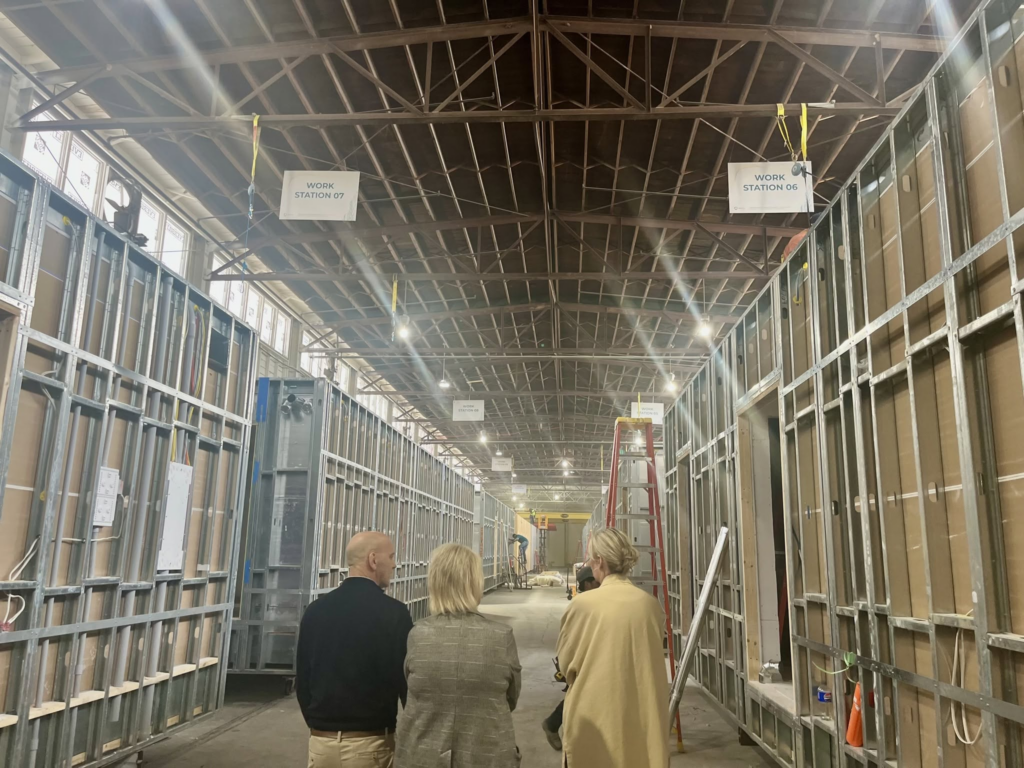
photo – McCarthy Strategic Solutions
This one feels different—not because of the company, the size of the building, or even the estimated 150 manufacturing jobs it is expected to create. What makes this announcement stand out is that Cleveland isn’t simply recruiting a manufacturer. The city appears to be making modular construction part of its long-term economic development and housing strategy, and that’s a distinction worth paying attention to.
More Than a Factory
The project will transform the former Wellman-Seaver-Morgan Engineering Company, a historic industrial building containing approximately 183,000 square feet, into a modern modular home manufacturing facility. The redevelopment is expected to cost about $26 million while creating roughly 150 construction jobs during renovation and another 150 permanent manufacturing positions once production begins. For a city with such a rich manufacturing history, there is something symbolic about taking a century-old industrial building that once produced massive steel equipment and giving it an entirely new purpose. Instead of manufacturing machines that helped build America’s industrial economy, the building could soon be manufacturing homes for America’s housing future.
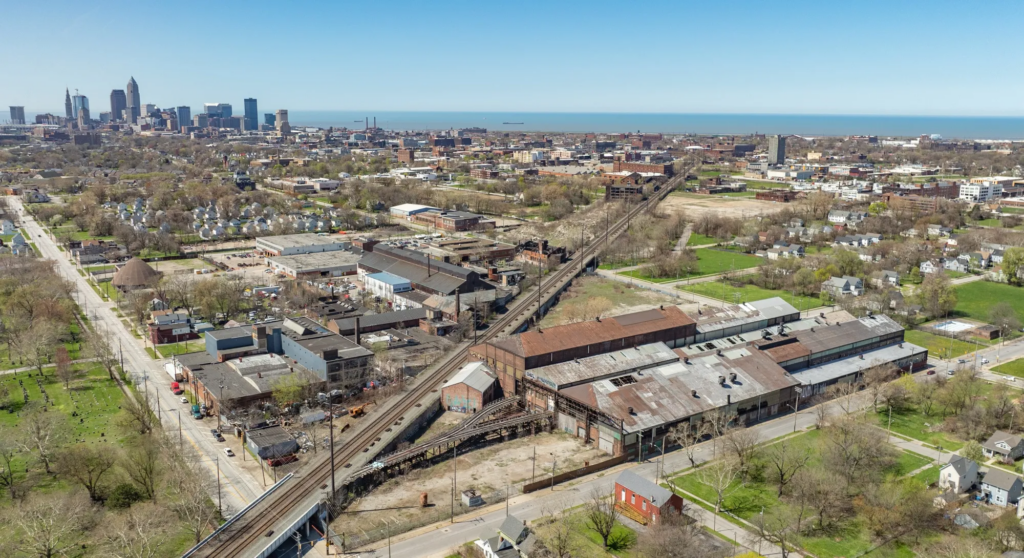
What makes the story even more interesting is that the factory itself is only part of the larger vision. City officials refer to the redevelopment area as “The Midline,” a large industrial corridor being repositioned for modern manufacturing and economic growth, with MMY US becoming its first major tenant. Rather than chasing a single employer, Cleveland appears to be laying the groundwork for an entire manufacturing ecosystem that could attract suppliers, transportation companies, technology firms, component manufacturers, and other businesses connected to offsite construction. That’s how manufacturing clusters are created, and communities that successfully build them often enjoy economic benefits for decades.
Solving Two Problems at Once
Communities across America face two challenges that rarely get solved together. They need more affordable housing and more good-paying manufacturing jobs. Traditional site-built construction certainly builds homes, but much of the economic activity is dispersed among countless subcontractors working from project to project. Modular construction offers something different. Every home built inside a factory creates manufacturing jobs, engineering positions, purchasing opportunities, transportation work, logistics planning, quality control, and skilled trades, all while producing homes that can help address housing shortages. It’s one of the few industries capable of strengthening both the housing market and the local economy simultaneously, and Cleveland appears to recognize that opportunity.
The Real Challenge Begins After the Ribbon Cutting
Reports indicate that MMY US expects the facility to eventually produce hundreds of homes each year. Whether those projections become reality will depend on much more than installing production equipment and hiring workers. Anyone who has spent time in the offsite industry knows that opening a modular factory is only the beginning. Keeping production lines full month after month is where success is earned.
Factories still need experienced employees, dependable transportation, builders willing to embrace modular construction, developers with projects ready to move forward, lenders who understand the product, and appraisers who know how to properly value factory-built homes. None of those challenges disappear because a city cuts a ribbon or celebrates a groundbreaking. Yet Cleveland appears willing to accept those realities because city leaders believe the long-term rewards outweigh the risks.
Why Every Mayor Should Be Watching
One factory opening rarely changes an industry. A successful example, however, often changes how people think. If Cleveland demonstrates that a city can combine historic preservation, economic development, manufacturing, and affordable housing into a single coordinated strategy, other municipalities will undoubtedly take notice. Mayors talk to each other. Economic development directors study successful projects. Housing officials are constantly searching for ideas that actually work instead of simply generating headlines.
If this project performs as city leaders hope, don’t be surprised if communities across the country begin asking a different question. Instead of wondering how to attract more housing developers, they may start asking how to attract modular manufacturers. That represents a significant shift in thinking, and one that could create opportunities for factories throughout North America.
Gary’s Observation

During my years covering the modular housing industry, I’ve watched factories open with tremendous optimism only to discover that filling the production schedule is much harder than building the factory itself. I’ve also watched companies quietly grow into industry leaders by focusing less on grand announcements and more on building quality homes, earning customer confidence, and expanding at a pace they could sustain.
What encourages me most about Cleveland’s announcement isn’t simply that another modular factory is opening. It’s that city leaders appear to understand something many communities still overlook. Modular construction isn’t just another way to build houses. It’s a manufacturing strategy, an economic development strategy, a workforce development strategy, and a housing strategy all rolled into one. If MMY US executes well and Cleveland continues supporting the effort, this project could become far more important than a single factory opening. It could become a blueprint for other cities, showing that investing in offsite construction isn’t simply about building homes more efficiently. It’s about building stronger local economies at the same time.