




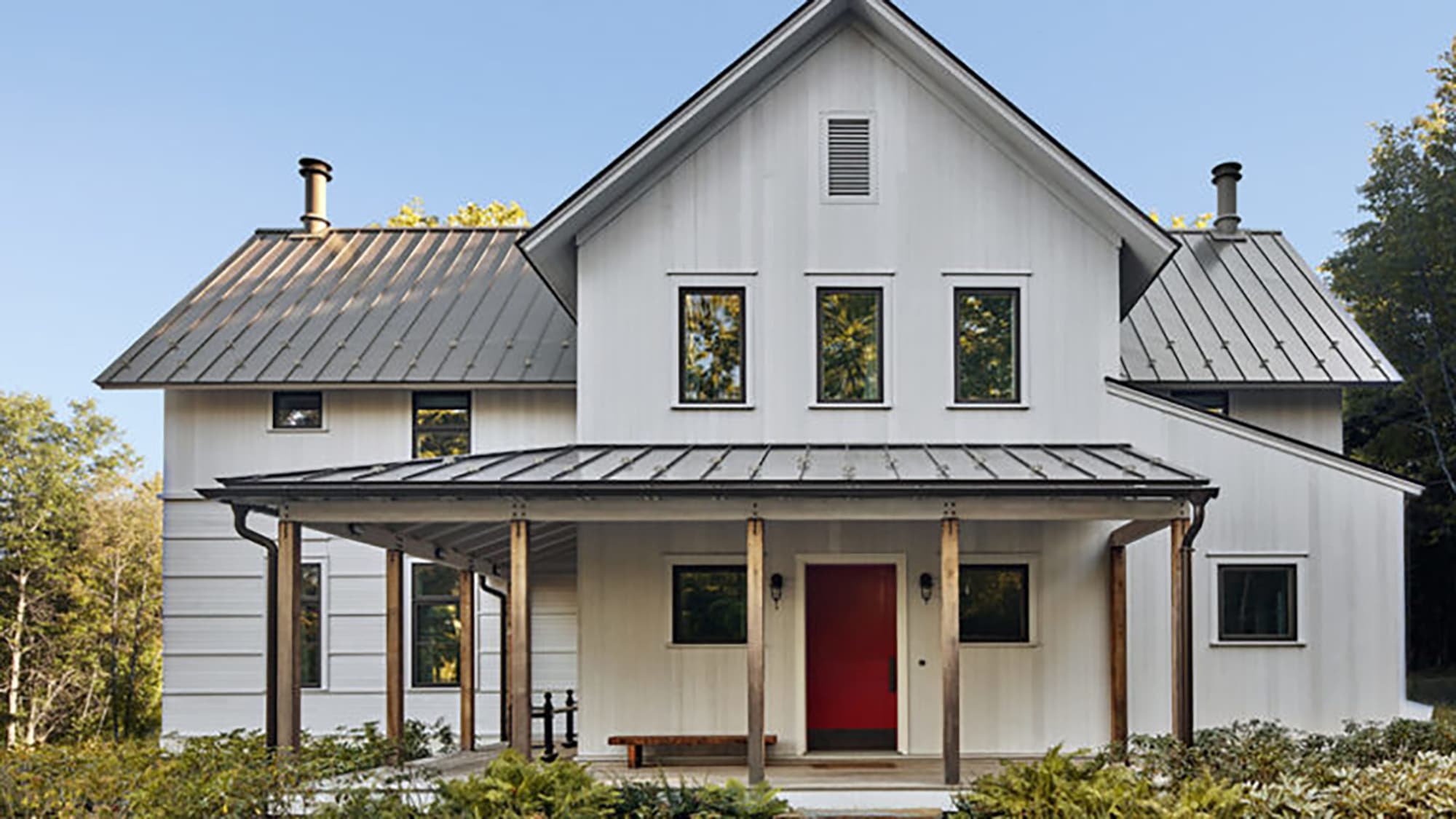
A smart new idea could unlock thousands of homes.
Across the United States, policymakers have spent years rewriting zoning codes in hopes of solving the housing shortage. Duplexes, ADUs, and small multiplex buildings have been legalized in many communities. Yet despite all those regulatory victories, something surprising keeps happening: very little actually gets built. Vermont planners have recognized that simply allowing missing-middle housing isn’t enough. If communities want more homes on the ground, they need to make building them easier, faster, and far more predictable.
That realization has led to one of the more practical housing initiatives in recent years—a statewide, build-ready catalog of missing-middle housing plans. Through Vermont’s “802 Homes” program, the state is assembling a publicly accessible collection of construction-ready home designs that local developers and builders can use immediately. These designs will align with permitting pathways, infrastructure planning, and financing programs, removing many of the uncertainties that often slow down smaller housing projects.
The idea borrows a page from history. A century ago, companies like Sears famously sold homes through catalogs, allowing buyers to choose a design that could be built efficiently and repeatedly. Vermont’s version updates that concept for the modern housing crisis. Instead of forcing every small developer to start from scratch with expensive architectural work and uncertain approvals, the catalog provides community-tested designs that are ready to go—saving both time and money.

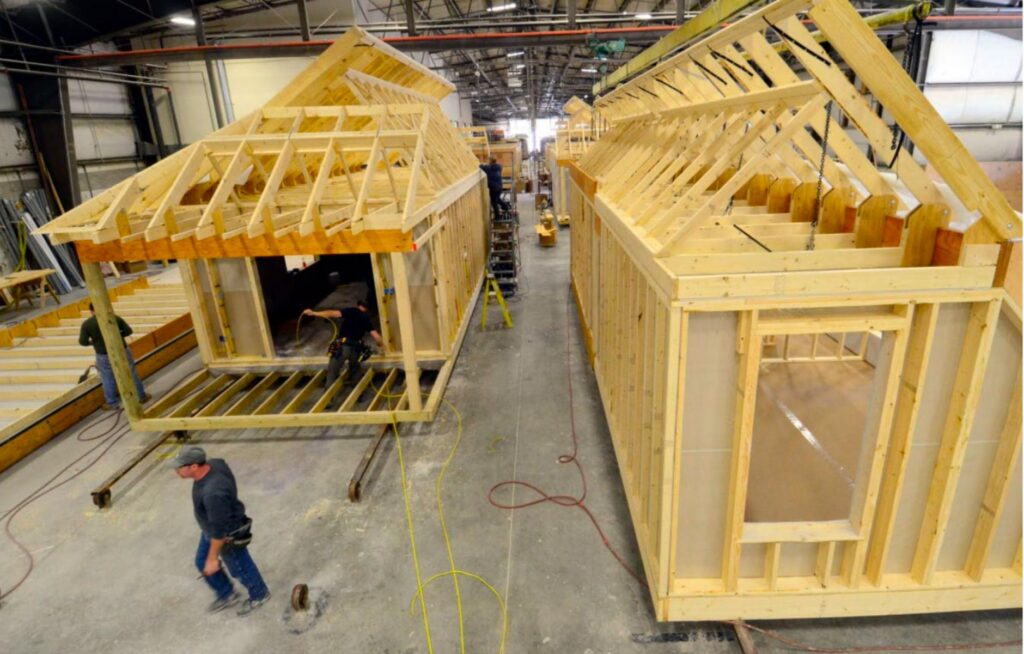
Another important element is the role of manufacturing and repetition. When housing designs are produced repeatedly—especially through off-site construction methods such as modular or panelized systems—builders gain efficiencies. Bulk purchasing lowers material costs, repeated production improves labor productivity, and projects move faster with fewer delays from weather or design changes. Those efficiencies can compound over multiple projects, stabilizing supply chains and making housing prices more predictable.
Most importantly, the initiative recognizes that missing-middle housing—duplexes, fourplexes, townhomes, and courtyard apartments—can fill the enormous gap between single-family homes and large apartment buildings. These housing types blend well into existing neighborhoods, increase housing supply, and offer more attainable price points for first-time buyers, seniors, and middle-income families. If Vermont’s experiment succeeds, it could become a model for other states searching for a practical way to build more homes without endless debates over zoning.
CLICK HERE to read the entire CNU article
.
Modcoach Observation
Every once in a while, a housing idea comes along that makes you smile because it’s both innovative and incredibly simple. Vermont’s build-ready catalog reminds me of something our offsite industry has always understood: repetition brings efficiency, efficiency brings affordability, and affordability brings buyers. If more states begin pairing smart design catalogs with offsite construction methods, we might finally stop talking about housing shortages and start talking about housing production again. And that’s a conversation the entire offsite industry should be paying attention to.

Gary Fleisher—known throughout the industry as The Modcoach—has been immersed in offsite and modular construction for over three decades. Beyond writing, he advises companies across the offsite ecosystem, offering practical marketing insight and strategic guidance grounded in real-world factory, builder, and market experience.