



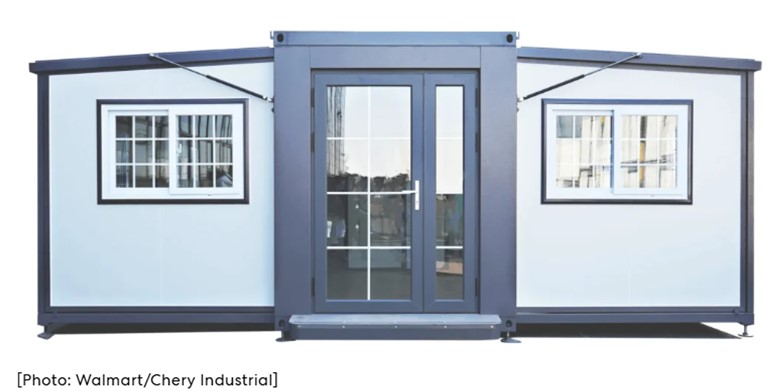
Retail giants, Amazon and Walmart, are known for offering a wide variety of consumer products at low prices, has entered the housing market by selling tiny houses for less than $16,000. While this affordable option may initially seem like a dream come true for those struggling to find affordable housing, several critical issues arise when considering whether this tiny home can truly solve the housing crisis. From practical challenges in design and livability to regulatory and zoning hurdles, the reality of living in a Walmart-sold tiny house may not match the allure of its price tag.
The Appeal of Tiny Homes
Tiny homes have gained considerable attention in recent years, especially as affordable housing becomes increasingly scarce. These compact living spaces, often no larger than 300 square feet, offer minimalist designs and lower maintenance costs. For individuals or small families seeking an alternative to traditional housing, the idea of downsizing to a tiny home can be attractive—both financially and environmentally.
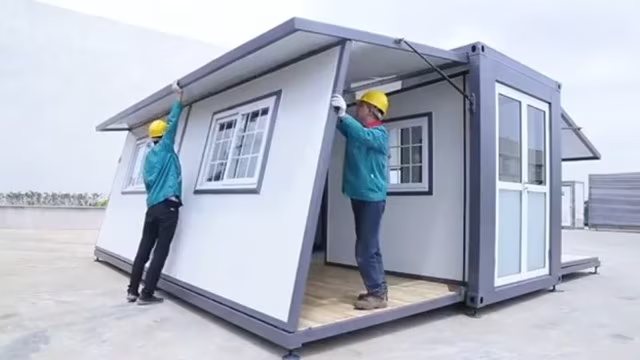
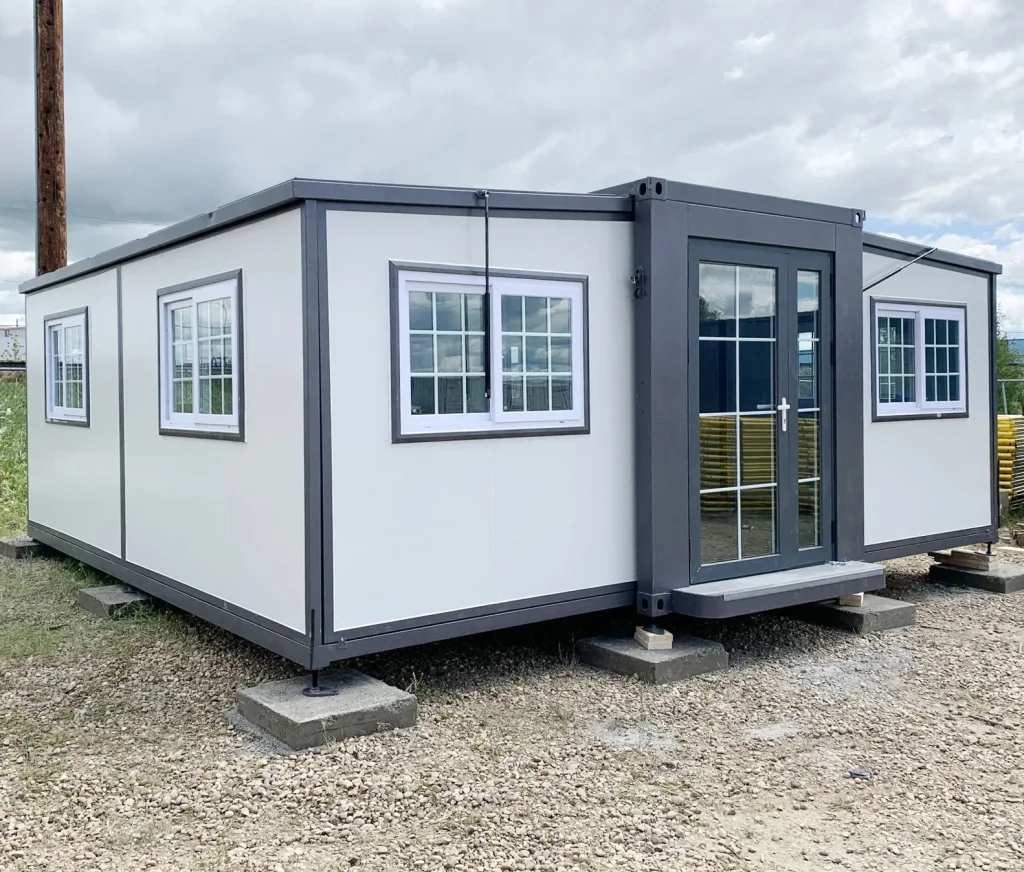
Walmart’s tiny house offering taps into this trend. Priced at under $16,000, this product promises an affordable entry point into homeownership. At first glance, it appears to be a perfect solution for many people priced out of the housing market. But beneath the surface, there are significant challenges that prospective buyers need to consider.
Livability and Practicality Issues
The first major hurdle is livability. Tiny homes, by their very nature, require significant lifestyle adjustments. Living in a space that is 150-300 square feet means learning to navigate limited storage, minimal privacy, and restricted access to basic amenities. While some individuals may thrive in a minimalist environment, many will find that a tiny house is simply too small to support a comfortable lifestyle, especially for families or those who work from home.
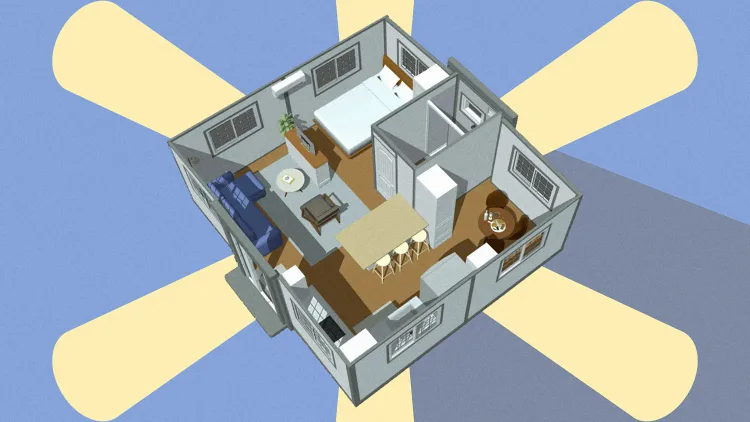
Additionally, Walmart’s tiny house lacks key features that make a house feel like home. Many of these structures are delivered without plumbing or electricity, which means buyers need to account for the costs of installation—expenses that could easily drive the total price far beyond the $16,000 base cost. Furthermore, while the tiny house might be affordable upfront, retrofitting it with utilities, heating, cooling, and insulation could quickly become prohibitively expensive for the average buyer.
Another practical challenge is mobility. Tiny homes are often designed to be mobile, but they aren’t as easy to relocate as one might think. Moving the home from place to place requires a large vehicle capable of towing, and many municipalities have restrictions on where these homes can be placed, further complicating the lifestyle Walmart’s tiny house is marketing.
Zoning and Regulatory Challenges
Beyond the lifestyle adjustments, potential buyers will face a complex web of zoning and regulatory issues. Many cities and towns have strict rules governing where tiny houses can be located. In some areas, they are treated like recreational vehicles (RVs) and are only permitted in RV parks or other temporary housing zones. Other municipalities might not allow them at all.
Even in places where tiny homes are allowed, the process of acquiring the necessary permits and approvals can be daunting. The cost of obtaining a suitable plot of land and ensuring compliance with local building codes may far outweigh the initial affordability of the tiny home itself. Buyers must also consider the need for land ownership or leasing, which could add significantly to the overall cost. This makes Walmart’s offering a less-than-ideal solution for those hoping to avoid the bureaucracy typically associated with purchasing traditional homes.

In addition to zoning regulations, many areas have minimum size requirements for dwellings to ensure they meet safety and health standards. Tiny homes often fall short of these requirements, meaning that buyers may need to navigate additional legal challenges or make significant modifications to the home to bring it up to code.
The Illusion of Affordability
While Walmart’s tiny house seems to offer a solution to the housing affordability crisis, the reality is that the upfront cost is just one part of the equation. Buyers must account for the costs of land, utility connections, permits, and any additional modifications needed to make the house livable and compliant with local laws. These expenses can quickly escalate, pushing the overall cost of living in a Walmart tiny home into the same range as more traditional housing options.
Furthermore, many buyers may not be aware of the hidden costs associated with tiny home ownership. For example, insurance premiums for tiny homes can be higher than those for conventional homes, and securing a mortgage or loan for a tiny house can be more difficult due to its non-traditional nature. The perception that a $16,000 tiny house can offer a sustainable, long-term living solution may lead buyers into financial difficulties down the road.
Limited Appeal for Broader Housing Solutions
Tiny homes can play a role in addressing the housing crisis, particularly in areas where traditional housing is unaffordable or unavailable. However, they are not a one-size-fits-all solution. Walmart’s foray into tiny houses may appeal to a niche group of buyers who are already familiar with the challenges of living in such a small space. But for the broader population, tiny homes, and particularly Walmart’s offering, are unlikely to provide a realistic solution to the housing shortage.
Rather than being a magic bullet for affordable housing, Walmart’s tiny house is more of a novelty product, suited for short-term or recreational use rather than as a permanent home. For those seriously considering downsizing to a tiny home, there are many options to explore that offer more livability, better utility integration, and a clearer path to legal and regulatory compliance.
Who Would Risk Providing a Mortgage for This Tiny House?
One of the critical questions for potential buyers is whether financing options, like a mortgage, would even be available for a Walmart-sold tiny house—and if so, who would take the risk? Traditionally, mortgages are structured for more conventional homes that hold steady or increase in value over time. A tiny house sold for less than $16,000, with minimal resale value and unclear long-term durability, presents significant risks for both lenders and buyers.
For starters, most banks and financial institutions are hesitant to offer mortgages on non-traditional homes, including tiny houses, due to their unconventional nature and lack of permanent foundations. Without a fixed location, tiny homes are often treated more like vehicles or mobile homes, which are typically financed through personal loans or RV loans—both of which come with higher interest rates than traditional mortgages. In this case, securing a mortgage for a Walmart tiny house would be highly unlikely, and buyers would need to explore alternative financing options.
Even if a lender were willing to take the risk, the buyer must consider the long-term financial implications. The home itself may not appreciate in value as a traditional home would. In fact, many tiny homes depreciate, much like cars or RVs, especially if they are mobile and not built on a permanent foundation. This means that buyers could end up owing more than the house is worth—a situation known as being “underwater” on a loan.
The risk extends to the buyer’s future financial security. Since the tiny home does not include land, buyers would either need to purchase land separately or lease a lot, adding to their financial obligations. This arrangement could further complicate a mortgage scenario, as lenders generally prefer properties that include both land and structure as collateral. Without land, a tiny house has far less value as an investment, and should the owner default, the lender would face difficulties recouping their losses.
Furthermore, buyers who finance a Walmart tiny house through high-interest personal loans may find themselves locked into long-term debt for a product that does not hold its value. In this case, the initial promise of affordability could backfire, leading to financial strain, especially if hidden costs like land, utility setup, and maintenance push the total expenses higher than anticipated.
Ultimately, the question becomes: Who would take the risk of becoming a mortgager for this tiny house? The answer is likely limited to individuals with very specific goals—those who are comfortable with non-traditional living arrangements and who have the financial stability to absorb the risks associated with such a purchase. Even then, buyers must carefully weigh the potential drawbacks, including the home’s limited appreciation, zoning challenges, and the difficulty of securing financing, before committing to such a venture.
Modcoach Note
While Walmart’s tiny house may seem like a bargain at $16,000, potential buyers should be aware of the significant challenges they will face. From livability and practicality issues to zoning regulations and hidden costs, this tiny home may not be the affordable housing solution it initially appears to be. Buyers should approach with caution and thoroughly research the true cost of ownership before making a decision.
.

CLICK HERE to read the latest edition

Contact Gary Fleisher