






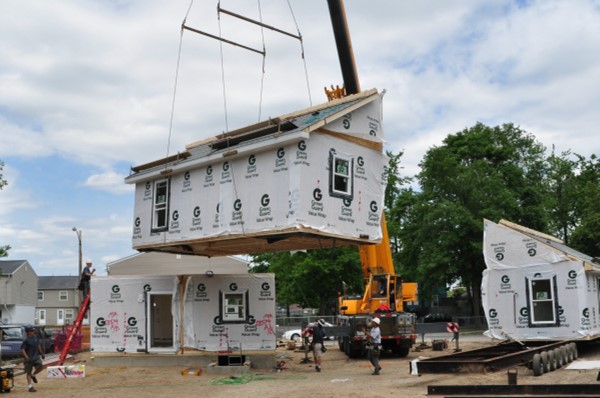
Gary’s Observation about the current state of new home construction
There’s a number that gets repeated so often in housing circles that it’s almost become part of the industry’s vocabulary. Depending on who’s speaking, America is said to be short somewhere between three and five million homes. Realtors quote it. Economists reference it. Builders use it. Politicians cite it. After hearing it hundreds of times, I’ve stopped questioning the number itself and started questioning something much simpler.
Who are these four million households everyone keeps talking about?
It’s an honest question, yet I can’t remember hearing anyone spend much time answering it. We all nod when someone says America needs millions of additional homes, but almost nobody follows up by explaining where those people are living today or what circumstances have created this enormous unmet demand.
The more I think about it, the more I wonder if we’re asking the wrong first question.
They’re Already Living Somewhere
Most of these households aren’t homeless. They aren’t standing in line waiting for a builder to finish the next subdivision, nor are they all sleeping in cars or living in shelters. They’re already part of our communities. Many are adult children who never left home because buying a first home has become financially impossible. Others are sharing apartments with roommates longer than they ever expected, while some families have doubled up under one roof simply because there wasn’t another affordable option. Millions more continue renting, not because they don’t want to own a home, but because the numbers simply don’t work.
That reality makes me wonder whether the phrase “housing shortage” tells the whole story.


Perhaps what we’re really experiencing is a shortage of opportunity.
The opportunity to buy that first home. The opportunity to move from a starter home into something larger as a family grows. The opportunity for retirees to downsize without leaving the community they’ve lived in for decades. Somewhere along the way, the normal flow of housing seems to have slowed to a crawl, leaving people stuck where they are instead of moving to where they’d like to be.
Has the Housing Ladder Stopped Moving?
When I first entered this industry, the housing market functioned almost like a ladder. Young adults rented their first apartment, eventually bought a modest home, traded up as their careers and families expanded, and later downsized in retirement. Every move created another opportunity for someone else.
Today, that ladder feels as if several of its rungs have disappeared. First-time buyers struggle to get on it, growing families can’t afford the next step, and older homeowners often decide to stay put because there are few attractive or affordable alternatives. When fewer people move, fewer homes become available, and the pressure builds throughout the entire system.
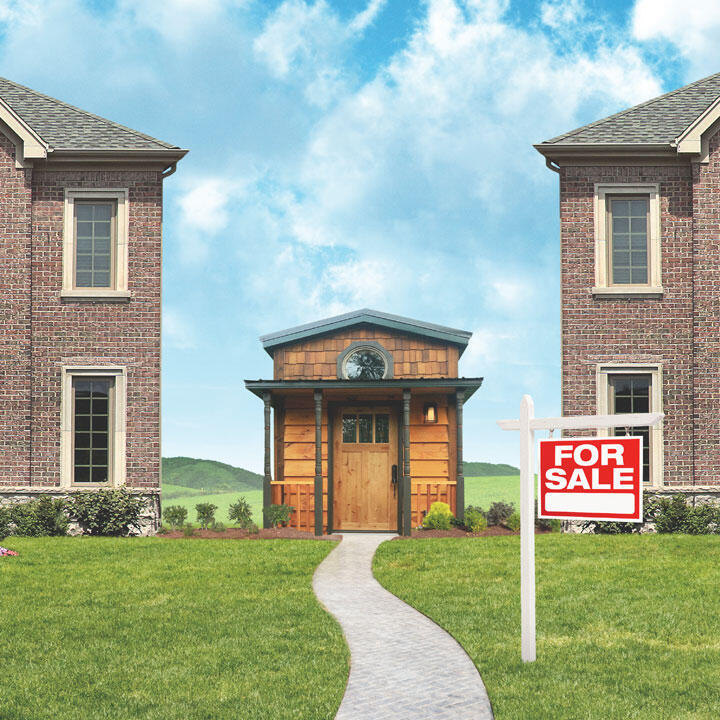
If that ladder has stopped moving, perhaps that’s part of what we’re measuring when we talk about a shortage of four million homes.
Are We Measuring the Right Problem?
That brings me to another question I’ve been turning over in my mind. Every year our industry builds hundreds of thousands of new homes, yet every year we’re told we’re still millions behind. If we somehow built four million additional homes tomorrow, would four million families suddenly appear?
Of course not.
Those households already exist. They would simply begin moving into homes that better fit their lives, incomes, and aspirations. Adult children would finally move out on their own. Families sharing homes would spread out. Renters would become homeowners. Older couples would downsize, opening larger homes for the next generation.
Maybe the housing shortage isn’t simply about building more homes. Maybe it’s about understanding why the homes people need, in the places they want to live, remain so difficult to provide.
The Question I’d Like the Industry to Answer
I’m not suggesting the estimates are wrong, nor am I arguing against building more housing. Quite the opposite. Our country needs more homes, and offsite construction can play an important role in delivering them. But before we congratulate ourselves for repeating the latest estimate, perhaps we should spend more time understanding what that estimate actually represents.
Because until we know who those four million households really are, where they’re living today, and what’s preventing them from moving into housing that better fits their needs, we’ll probably keep repeating the same statistic year after year while wondering why it never seems to get any smaller.
Maybe that’s the conversation the housing industry should be having—not whether we need millions of new homes, but whether we truly understand the people behind that number.