



The affordable housing crisis has become one of the most urgent conversations in America. Cities are approving Accessory Dwelling Units. Developers are building smaller homes. Governments are pushing for faster approvals and lower costs. Offsite and modular construction are finally getting serious attention as part of the solution.
All of that sounds like progress.
But there’s a quiet question that doesn’t get asked nearly enough:
Are we solving the housing crisis for everyone—or only for those who fit inside our definitions of “average”?
The Missing Voice in the Conversation
In most affordable housing discussions, we hear from developers, planners, politicians, and investors. We hear about unit counts, density, zoning reform, and cost per square foot. We hear about speed, scalability, and workforce housing.
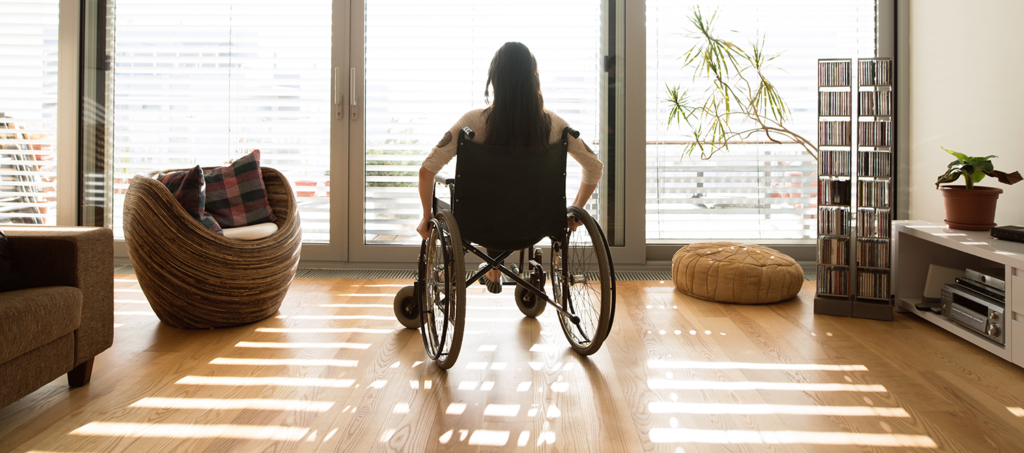
What we don’t hear enough about are people living with disabilities.
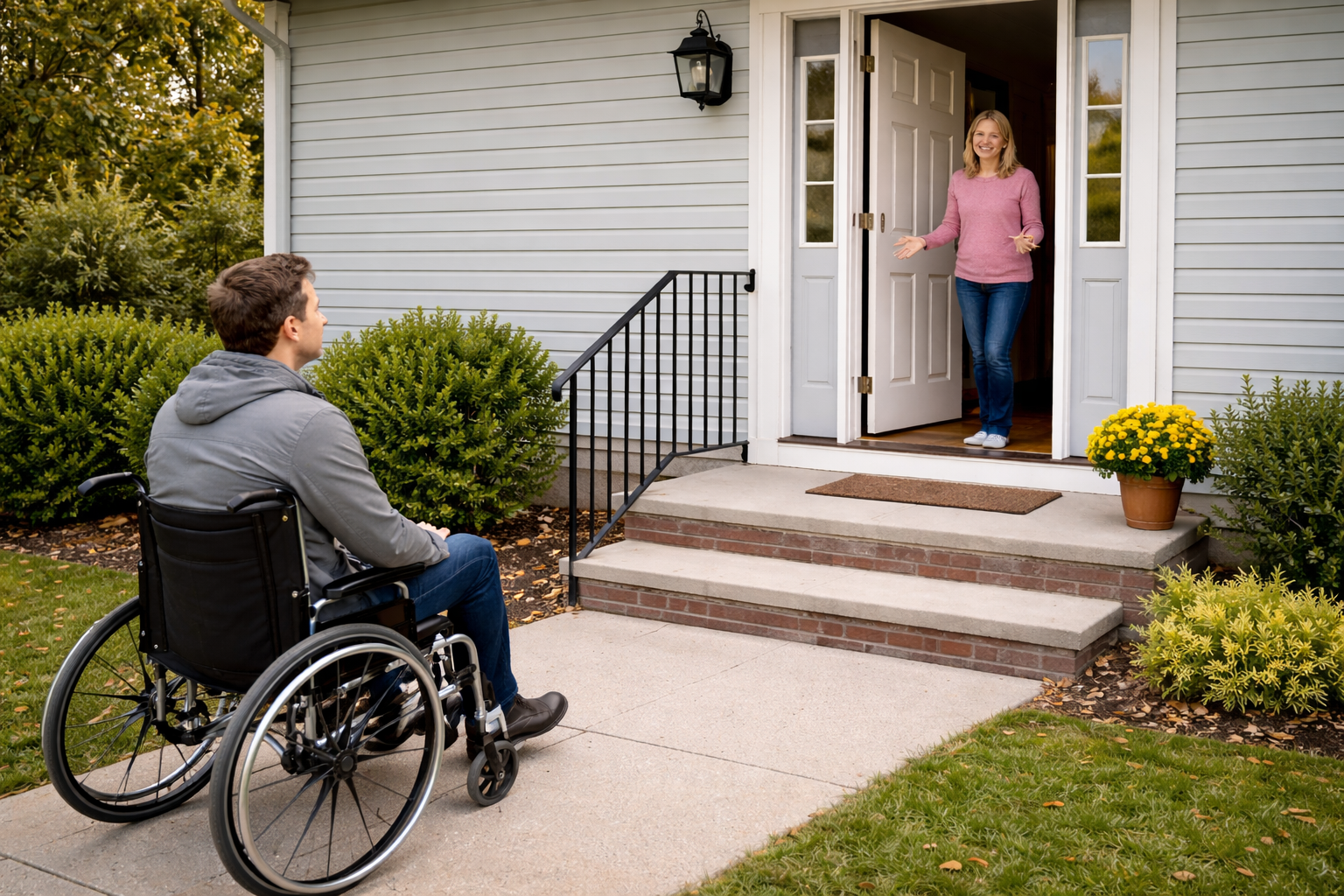
For millions of Americans, the housing crisis isn’t just about affordability. It’s about accessibility. It’s about independence. It’s about safety. And increasingly, it’s about whether the homes being built today will meet their needs tomorrow.
The truth is uncomfortable. Accessibility is often treated as an afterthought, a compliance issue, or a cost add-on rather than a core design principle.
Speed vs. Inclusion
The rush to build faster has unintentionally created tension between speed and inclusivity. Many affordable housing projects focus on maximizing unit count and minimizing cost. Universal design, adaptable layouts, and accessibility features can be seen as complicating the process.
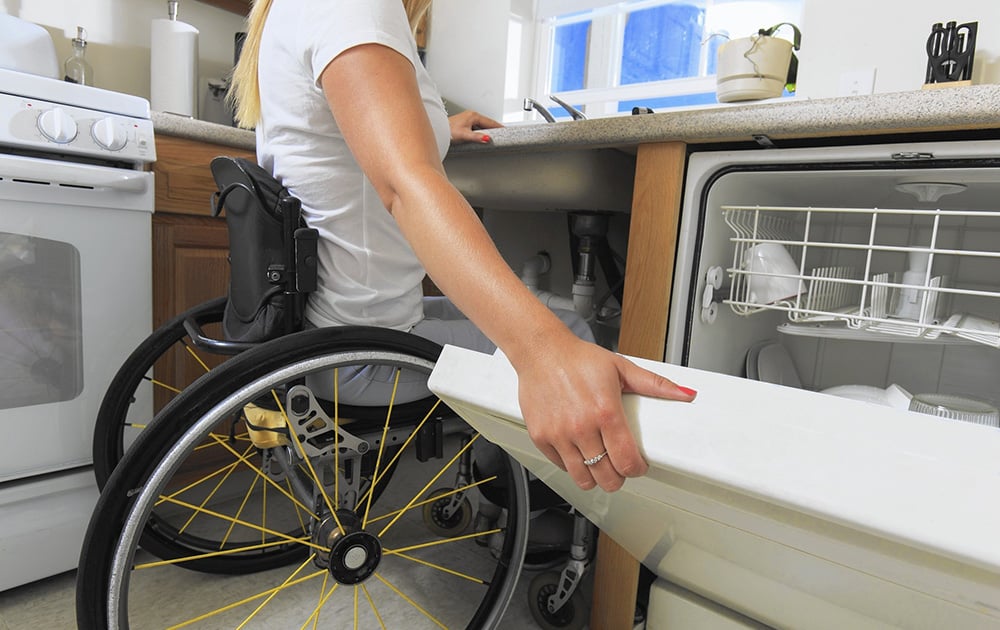
Developers often argue that regulations such as accessibility standards already address these concerns. But anyone who has worked in housing knows the difference between minimum compliance and meaningful usability.
A unit that meets the letter of the law may still be difficult—or impossible—for someone with mobility, sensory, or cognitive challenges to live in comfortably.
The real issue is not compliance. It’s empathy.
The Opportunity for Offsite Construction
Here’s where offsite and modular construction could lead rather than follow.
Factory-built housing offers repeatability and precision. That means accessibility features can be standardized, refined, and scaled. Door widths, bathroom layouts, smart home integration, and adaptable spaces can be built into the system rather than added later.

This approach reduces cost over time and ensures consistency across projects.
Imagine a future where accessibility is not a special request but the default.
This is not just about disability. It’s about aging. The fastest-growing demographic in America is older adults. Many of them want to remain in their homes as long as possible. Designing for accessibility today prepares housing for tomorrow.
A Business Case, Not Just a Social One
There is also a strong economic argument. Accessible housing is in short supply. Demand far exceeds availability. Families often struggle to find appropriate homes, and many are forced into institutional care simply because their housing options are limited.
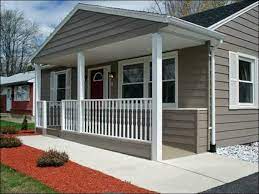
Developers who build accessible housing are not shrinking their market. They are expanding it.
Investors and operators are beginning to recognize this. Accessible housing supports longer tenancy, lower turnover, and stronger community stability.
In other words, it’s good business.
Technology Is Closing the Gap
New technologies are making accessible housing easier and more affordable. Smart home systems, voice control, remote monitoring, and adaptive devices are transforming what independent living looks like.
Offsite construction is uniquely positioned to integrate these technologies during manufacturing, reducing costs and improving reliability.
Yet adoption remains slow.
Why?
Because the industry still sees accessibility as a niche rather than a mainstream requirement.
A Question of Leadership
The offsite construction sector has always positioned itself as an innovator. But real innovation isn’t just about robotics or automation. It’s about solving human problems.
If we truly want to transform housing, we must ask harder questions.
Are we designing communities where everyone can live with dignity?
Are we preparing for an aging population?
Are we building flexibility into our housing stock?
Or are we repeating the mistakes of the past, just faster?
The Path Forward
This is not about blaming developers, regulators, or builders. It’s about awareness and intention.
The next phase of affordable housing must include accessibility from the start. That means collaboration between disability advocates, designers, manufacturers, and developers. It means shifting from minimum compliance to thoughtful design.
The offsite industry has the tools, the technology, and the mindset to lead this movement.
The real question is whether it will.
Because in the race to build faster and cheaper, we cannot afford to leave anyone behind.
.
With more than 10,000 published articles on modular and offsite construction, Gary Fleisher remains one of the most trusted voices in the industry.
.
CLICK HERE to read the latest edition

Contact Gary Fleisher