




Government Finally Puts Prefab on the Housing Agenda
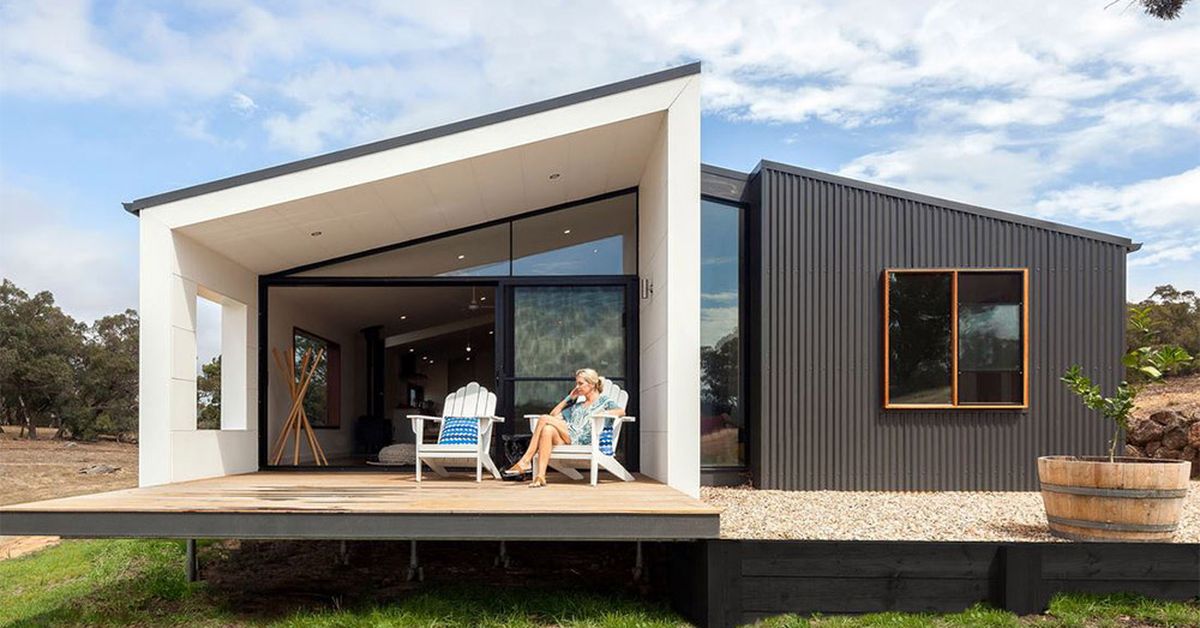
For years, prefabrication and modular construction in Australia were discussed mostly at conferences and industry meetings but rarely appeared in national housing policy. That changed dramatically in the last two years. According to industry leaders speaking at the Offsite25 conference, prefabrication has moved from the sidelines to becoming a central pillar of Australia’s strategy to address its housing shortage. Federal and state governments have committed roughly $174 million toward modern methods of construction (MMC) while also recognizing prefab within major national housing programs. In short, what was once treated as a niche building method is now being promoted as part of the country’s official housing solution.
Industry Advocacy Opens the Door
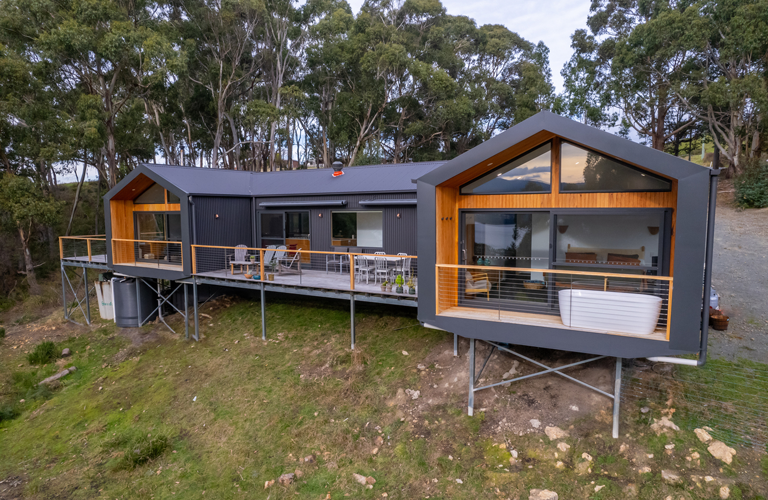
Part of that momentum comes from a coordinated effort by industry groups such as prefabAUS, which spent years pushing to elevate factory-built construction into the national housing conversation. Their message was simple: the housing crisis won’t be solved using the same methods that created the shortage in the first place. Within a short period, governments began responding with funding initiatives, productivity programs, and support for domestic manufacturing tied to offsite construction. The result is a level of political recognition that the sector has rarely seen before, and it’s giving many prefab companies confidence that the industry is finally entering the mainstream.
New Standards and Financing Could Unlock Growth
Regulation is also beginning to catch up. Australia’s building authorities are introducing national standards for offsite construction, covering everything from design and manufacturing to approvals and performance certification. Supporters say these changes could unlock billions of dollars in economic benefits by giving lenders, developers, and regulators greater confidence in factory-built systems. Alongside the regulatory shifts, new financing tools and certification frameworks are emerging to make prefab easier for developers, investors, and governments to adopt without the uncertainty that has slowed projects in the past.
State-Level Adoption May Be the Real Game Changer
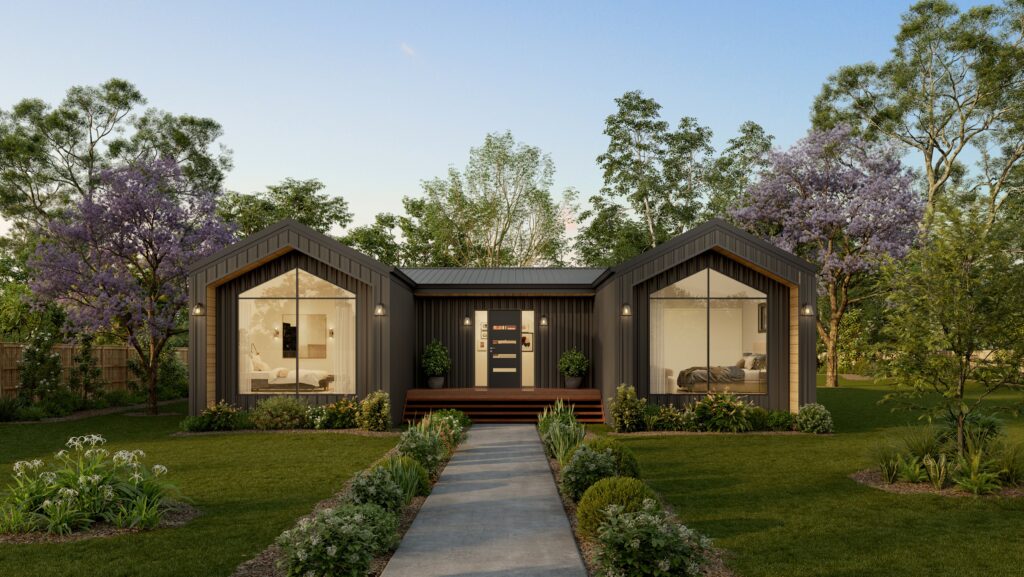
Perhaps the most telling sign of change is happening at the state level. Several governments are setting concrete adoption targets for modular and prefab construction in public projects. Queensland, for example, has established a goal that 50 percent of government construction will incorporate modern methods of construction, while other states are launching pilot programs, housing innovation centers, and large funding commitments to accelerate prefab housing. If these programs succeed, the next two years could mark a turning point where factory-built housing moves from industry promise to everyday reality.
Modcoach Observation
Watching Australia push prefab into the mainstream reminds me of something I’ve seen many times in the offsite industry: it often takes a full-blown housing crisis before governments finally recognize that building homes in factories might actually make sense. Funding programs and new regulations can help, but they won’t guarantee success. The real test will be whether factories, developers, and builders can turn this political enthusiasm into efficient production lines, predictable costs, and projects that actually get built. If they can, Australia may be showing the rest of the world what the next phase of housing construction looks like. If not, it will simply be another two-year window of excitement followed by a return to business as usual.
.
With more than 10,000 published articles on modular and offsite construction, Gary Fleisher remains one of the most trusted voices in the industry.
.

CLICK HERE to read the latest edition

Contact Gary Fleisher