





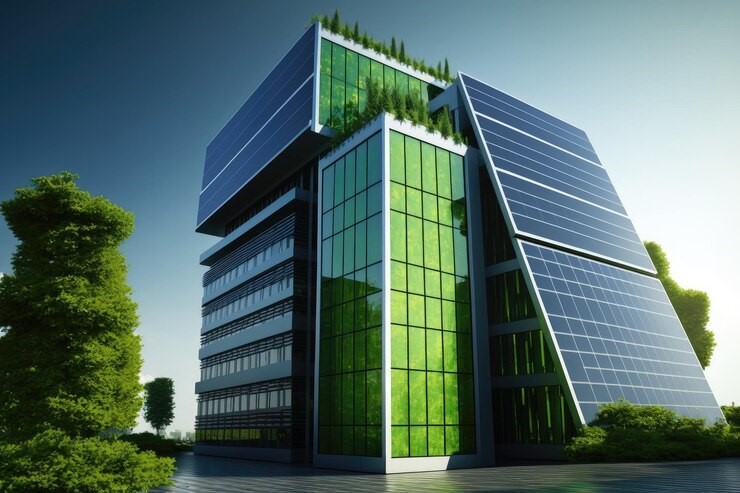
A paradigm shift
The convergence of renewable energy technology and innovative construction practices has led to the rise of Building-Integrated Photovoltaics (BIPV), a transformative solution combining aesthetics, functionality, and sustainability. By embedding photovoltaic materials into building components, BIPV allows structures to serve dual purposes: performing traditional envelope functions while generating electricity. This approach reduces reliance on fossil fuels and redefines how buildings contribute to the global energy landscape.

The Basics of BIPV
At its core, BIPV refers to the seamless integration of photovoltaic (PV) materials—traditionally used in solar panels—into building elements like roofs, facades, or windows. Unlike traditional solar panels, which are mounted onto existing structures, BIPV products are designed to become an integral part of the building envelope. They perform essential architectural functions such as insulation, weatherproofing, and structural support while producing renewable energy.
BIPV systems come in various forms, including:
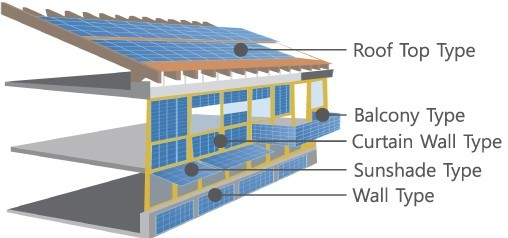
Photovoltaic Roofs: Solar panels designed as shingles or tiles.
Photovoltaic Facades: Glass or opaque panels that generate energy while contributing to building aesthetics.
Photovoltaic Windows: Transparent or semi-transparent solar glass that balances light transmission and energy production.
This integration creates a harmony between sustainability and design, making BIPV an attractive option for architects, developers, and sustainability advocates.

Advantages of Building-Integrated Photovoltaics
The adoption of BIPV systems offers numerous advantages that extend beyond renewable energy generation:
Dual Functionality
Traditional solar panels often require additional structures for installation, which may increase costs and limit design options. BIPV products eliminate this challenge by serving dual purposes. For example, a PV glass facade generates electricity while acting as a thermal barrier, reducing heating and cooling demands.
Enhanced Aesthetics
BIPV materials offer sleek, modern designs that complement architectural styles. Unlike bulky rooftop installations, BIPV systems blend seamlessly into the building’s design, making them an ideal choice for urban and high-profile projects.
Energy Efficiency
BIPV systems generate renewable energy on-site, reducing dependence on conventional electricity grids. This decentralization enhances energy security and lowers utility costs, particularly in energy-intensive urban areas.
Environmental Benefits
BIPV systems significantly cut greenhouse gas emissions. Additionally, integrating renewable energy into buildings aligns with global goals for reducing carbon footprints in the construction industry.

Financial Incentives
Many governments and organizations offer tax credits, subsidies, and other incentives for incorporating renewable energy technologies. BIPV systems, with their energy efficiency and sustainable appeal, often qualify for these benefits.
Applications of BIPV in Building Design
Photovoltaic Roofs
BIPV roofs replace traditional roofing materials with solar shingles or tiles, making them an excellent option for residential and commercial buildings. Tesla’s Solar Roof is a notable example, featuring durable tiles that blend seamlessly with conventional roofing materials.
Photovoltaic Facades
Energy-generating facades transform building exteriors into functional power plants. These systems can be opaque or semi-transparent, depending on design requirements, and are particularly popular in commercial skyscrapers.
Photovoltaic Windows
Innovations in solar glass technology have enabled the creation of transparent solar panels, suitable for windows and skylights. These systems allow natural light to enter while producing electricity, a solution well-suited for office buildings and atriums.
Skylights and Canopies
Incorporating photovoltaic materials into skylights and canopies maximizes energy generation while providing shade and natural lighting. This application is commonly seen in public spaces, shopping centers, and transportation hubs.

Challenges in BIPV Adoption
While the benefits of BIPV are numerous, the technology faces challenges that hinder widespread adoption:
High Initial Costs
The integration of photovoltaic materials into building components can be more expensive than traditional solar panels. Advanced manufacturing processes and specialized installation increase upfront costs, deterring budget-conscious developers.
Design Limitations
BIPV systems must balance energy efficiency with design considerations, such as light transmission in solar glass or thermal performance in facades. These trade-offs can complicate architectural planning.
Regulatory Hurdles
Local building codes and regulations often lag behind technological advancements, creating obstacles for BIPV implementation. Permitting processes and safety standards may require updates to accommodate these systems.
Efficiency and Performance
BIPV materials may have lower energy conversion efficiencies compared to traditional solar panels due to design constraints. Optimizing their performance while maintaining aesthetic appeal remains a significant challenge.
Maintenance and Durability
As a part of the building envelope, BIPV systems are exposed to harsh weather conditions. Ensuring their long-term performance and durability requires advanced materials and maintenance strategies.
Technological Innovations Driving BIPV Growth
Continuous advancements in photovoltaic technology have addressed many of the challenges associated with BIPV, paving the way for broader adoption:
Thin-Film Solar Technology
Thin-film photovoltaics are lightweight and flexible, making them ideal for integration into building materials. Their ability to perform in low-light conditions further enhances their versatility.
Transparent Solar Panels
Developments in transparent PV materials, such as perovskite solar cells, have made it possible to create energy-generating windows. These panels offer significant energy production without compromising natural light.
Smart Energy Management
Integration with energy storage systems and smart grids ensures efficient utilization of the electricity generated by BIPV systems. This innovation supports building energy autonomy and resilience.
Advanced Coatings and Materials
Research into self-cleaning and anti-reflective coatings improves the performance and lifespan of BIPV materials. These advancements reduce maintenance requirements and optimize energy capture.
BIPV in Action: Case Studies
The Edge, Amsterdam
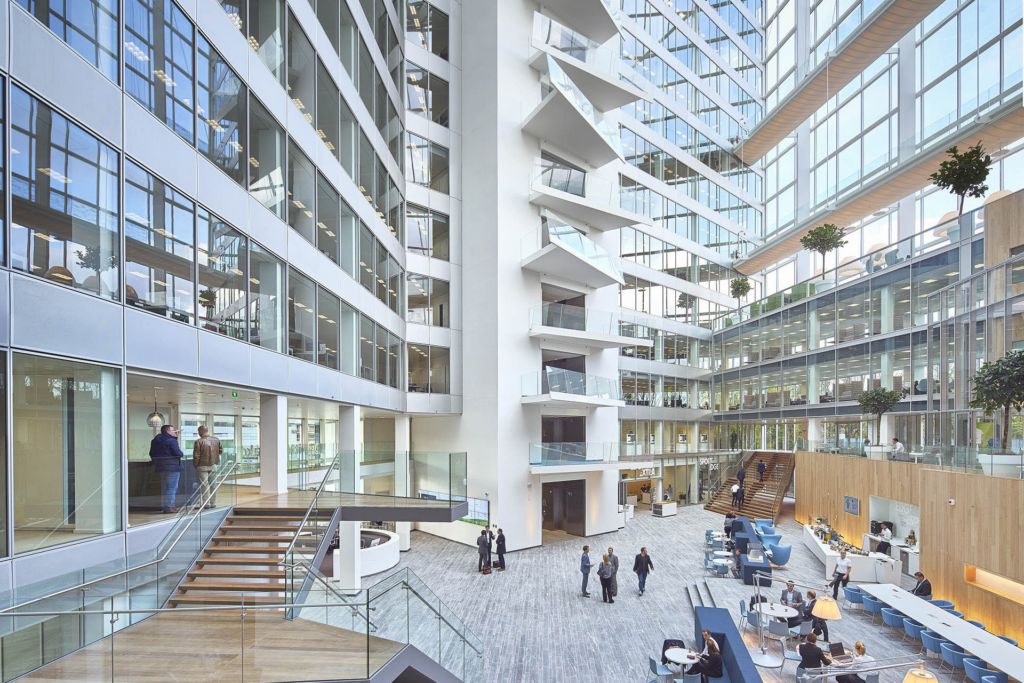
Dubbed the world’s most sustainable office building, The Edge incorporates BIPV technology into its design. The building features energy-generating facades and roofs, along with smart energy systems that optimize efficiency.
The SwissTech Convention Center, Lausanne
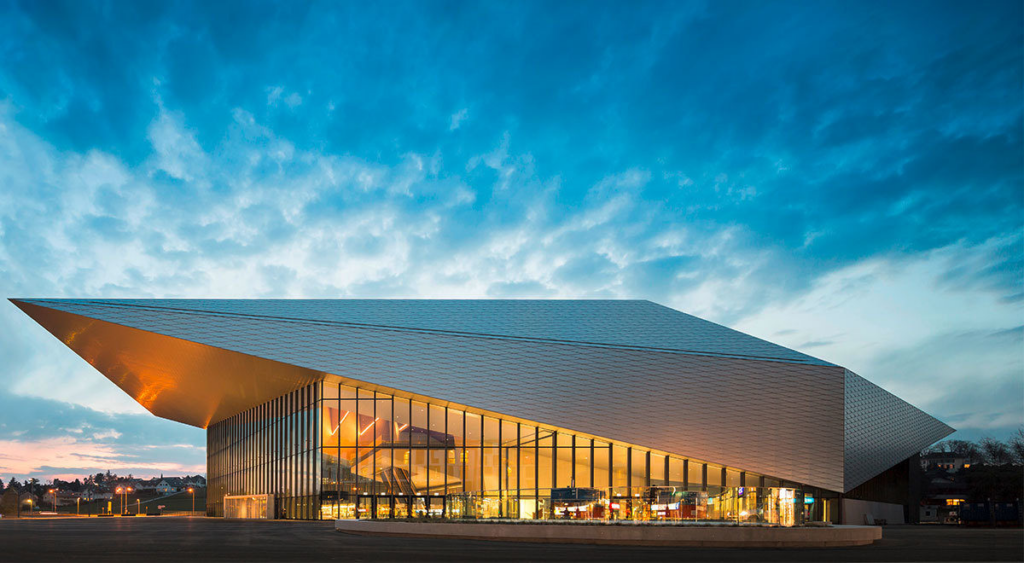
This convention center in Switzerland uses photovoltaic facades to power its operations. The integration of solar panels into the building’s exterior highlights the potential for BIPV in large-scale projects.
Copenhagen International School
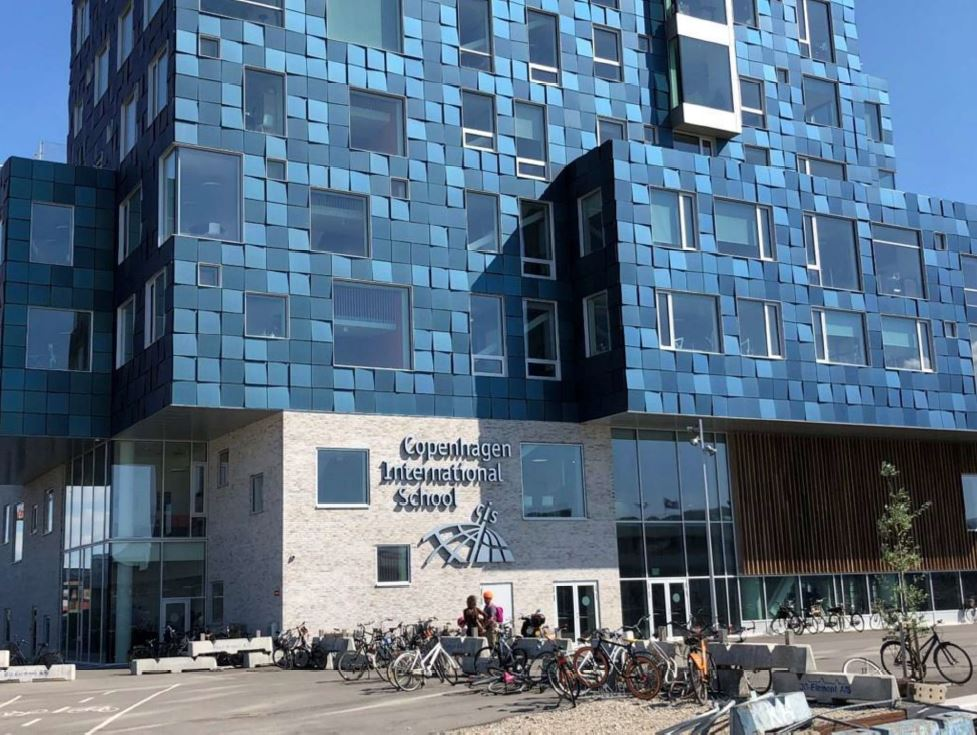
The school’s exterior is clad with over 12,000 colored solar panels, demonstrating how BIPV can combine sustainability with striking architectural design.
The Future of BIPV (Building-Integrated Photovoltaics)
As the global demand for renewable energy intensifies, Building-Integrated Photovoltaics (BIPV) stands out as a transformative technology at the intersection of sustainability and architecture. The seamless integration of solar energy generation into building materials presents a promising shift in how buildings are designed and powered. Below are key trends shaping the future of BIPV:
1. Increasing Demand for Net-Zero Buildings
Net-zero energy buildings—structures designed to produce as much energy as they consume—are no longer a niche concept. Governments, corporations, and developers are actively pursuing net-zero projects to meet ambitious climate targets.
- Role of BIPV: BIPV systems are critical for achieving net-zero goals, as they enable buildings to generate renewable energy directly from their surfaces, such as roofs, facades, and windows. By eliminating the need for separate solar panels, BIPV enhances both the functionality and aesthetics of net-zero projects.
- Market Drivers: International agreements like the Paris Accord and regional mandates, such as the European Union’s commitment to zero-emission buildings by 2030, are pushing developers to integrate BIPV into their designs.
2. Urbanization and Smart Cities
The rapid pace of urbanization and the global push for developing smart cities present significant opportunities for BIPV technology. Smart cities prioritize energy efficiency, renewable energy integration, and advanced technological systems.
- Energy Efficiency Goals: BIPV systems reduce reliance on centralized power grids, supporting smart cities’ goals to localize and diversify energy generation.
- Multifunctionality: As urban environments demand more from their infrastructure, BIPV materials offer dual benefits of energy generation and functional building elements like shading, insulation, and noise reduction.
- Pilot Projects: Cities like Singapore, Amsterdam, and Shenzhen are already experimenting with BIPV in smart buildings, setting examples for large-scale urban deployment.
3. Lower Costs and Better Accessibility
Historically, the high cost of photovoltaic materials has limited the adoption of BIPV systems, but ongoing advancements in technology and manufacturing are changing the game.
- Technological Innovations: Breakthroughs in thin-film solar technology, organic photovoltaics, and perovskite materials are driving down costs while improving efficiency and flexibility.
- Economies of Scale: As production ramps up globally, the unit costs of BIPV materials are decreasing, making them viable for mid- and small-scale projects, including residential applications.
- Incentives and Subsidies: Many governments are offering financial incentives, such as tax credits and rebates, to encourage BIPV adoption, further improving accessibility.
4. Enhanced Building Codes and Regulations
The integration of renewable energy systems into the built environment is being supported by evolving building codes and regulations worldwide.
- Mandates for Renewable Energy: Countries like Germany, California, and Japan are implementing policies that require new buildings to include renewable energy systems, with BIPV being a preferred solution due to its integration potential.
- Standardization: Certification bodies are working on standardizing BIPV systems, which will ease the permitting process and encourage wider adoption.
- Architectural Guidelines: Building codes are being updated to accommodate the unique requirements of BIPV, such as considerations for structural integrity, fire safety, and energy performance.
Modcoach Note
Building-Integrated Photovoltaics represents a paradigm shift in how buildings are designed and utilized. By combining energy generation with essential architectural functions, BIPV systems redefine the role of buildings in the renewable energy transition. While challenges remain, advancements in technology, growing demand for sustainability, and supportive policies are driving their adoption. As architects, developers, and policymakers embrace this innovative solution, BIPV is set to become a cornerstone of the sustainable cities of the future.
.

CLICK HERE to read the latest edition

Contact Gary Fleisher