




California is at it again. Another set of bills, another round of headlines promising to “solve” the housing crisis, and another article that reads like it was written after a quick Google search and a couple of polite tours instead of any real understanding of how offsite construction actually works.
Let’s not sugarcoat this. If this is what passes for research and reporting on modular and factory-built housing, it’s no wonder policymakers keep missing the mark.
The Fantasy of “Making Projects Whole”
One of the most eyebrow-raising claims is that AB 2166 would “make projects whole in case of factory failure,” reducing financial risk for developers.
That sounds nice. Almost comforting. Like a warm blanket for nervous investors.
But here’s the blunt question nobody seems to be asking: when an onsite builder fails, where’s the magical “make whole” provision? It doesn’t exist. Developers, lenders, and owners take the hit, sort it out, and move on. That’s how construction works—risk is part of the business.
So why is factory-built housing being treated like a fragile experiment that needs special protection? Either it’s a viable, professional construction method or it isn’t. Creating a safety net that doesn’t exist for site-built projects doesn’t level the playing field—it distorts it.
And worse, it sends a message that policymakers themselves aren’t fully confident in the very solution they’re trying to promote.
“Research, Tours, and Hearings”—But No Real Understanding
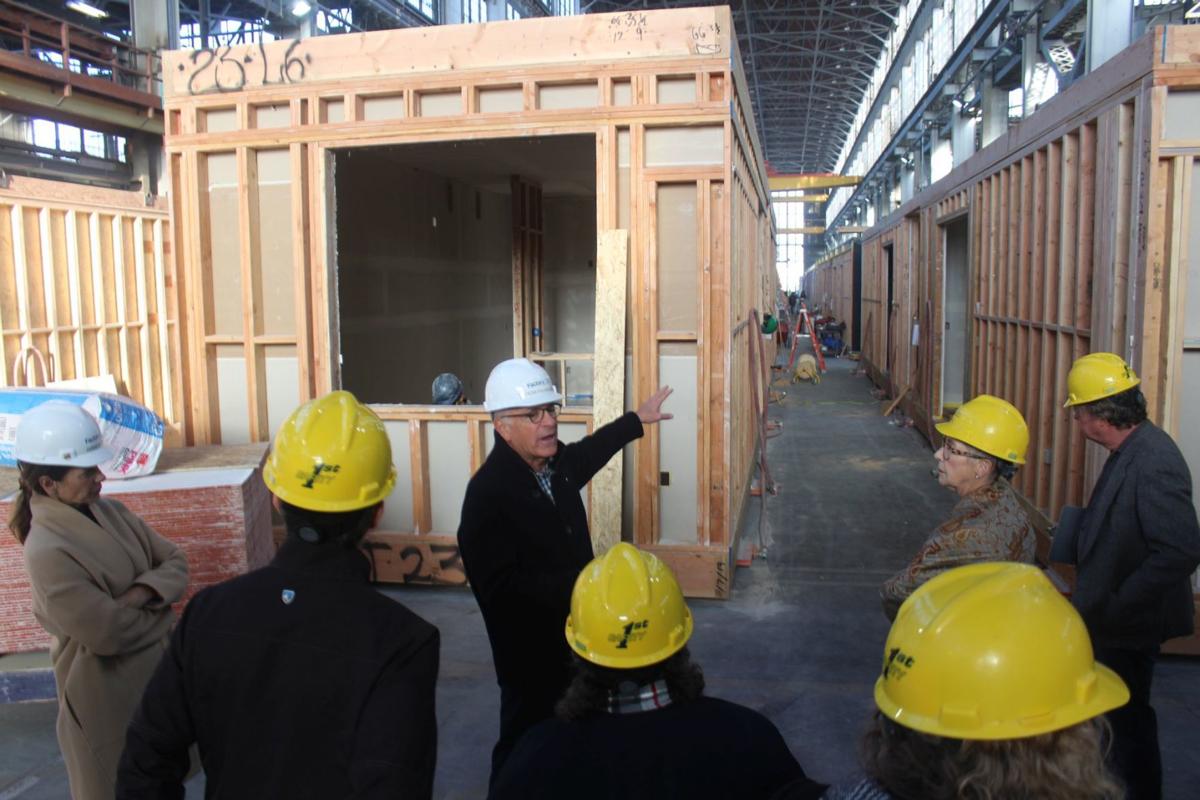
We’re told these ideas came after months of research, tours, and public hearings.
That sounds impressive until you ask what that actually means.
Did anyone sit down with factory GMs and walk through a real production schedule? Did they review how backlog, cash flow, and production capacity interact? Did they analyze why factories succeed or fail in the first place?
Or did they attend a couple of well-orchestrated open houses, hear polished presentations, and walk away thinking they understood the industry?
There’s a massive difference between observing a modular home being built and understanding the business model behind it. One is a tour. The other is a deep dive into logistics, financing, workforce, supply chains, and execution risk.
From the statements being made, it feels like California got the tour.
Standardizing Codes… or Centralizing Control?
Now let’s talk about the part that sounds good on paper: statewide code consistency and limiting local jurisdictions from adding extra requirements.
In theory, this is exactly what the modular industry has been asking for. One code, one interpretation, fewer local roadblocks.

But this is California.
The same state that has mastered the art of turning simple regulations into multi-layered bureaucratic puzzles is now promising to “simplify” things. That alone should make anyone in this industry pause.
Because here’s what often happens. The state removes local variability, then replaces it with a more complex, centralized system that’s harder to navigate, slower to adapt, and nearly impossible to challenge.
Yes, builders might not have to deal with different codes from one town to another. But instead, they may find themselves dealing with a single, rigid system that leaves no room for practical adjustments.
That’s not simplification. That’s consolidation of complexity.
Statewide Inspectors and Funding Reviews: More Layers, Not Less
The idea of statewide inspectors for factory-built projects sounds efficient—until you think about how it will actually work.
Will these inspectors understand factory workflows? Will they align with production schedules? Or will they become another checkpoint that slows things down and introduces delays?
Because in offsite construction, timing is everything. A missed inspection window in a factory doesn’t just delay one house—it can disrupt an entire production line.
The same goes for “systematic reviews” of funding programs. It sounds proactive, but it often leads to more committees, more studies, and more delays before anything meaningful actually happens.
And while everyone is reviewing, analyzing, and holding hearings, the housing shortage continues.
Transportation “Fixes” That Miss the Bigger Picture
One bill aims to reduce transportation costs for factory-built housing materials.
Again, sounds helpful—until you realize transportation is just one piece of a much larger puzzle.
The real cost challenges in modular construction aren’t just about moving materials. They’re about timing, coordination, crane availability, site readiness, and avoiding costly delays once modules leave the factory.
You can tweak shipping rules all day long, but if the site isn’t ready or the set crew is delayed, those savings disappear in a matter of hours.
Focusing on transportation alone is like fixing a leaky faucet while ignoring the broken pipe behind the wall.
California’s Track Record Speaks for Itself
Here’s the part nobody wants to say out loud.
California has been here before. Big ideas. Bold promises. Layers of legislation aimed at fixing housing.
And yet, the results rarely match the ambition.
Too often, what starts as a well-intentioned effort turns into a tangled web of rules that make it harder—not easier—to build. Projects stall. Costs rise. And the very people these policies are supposed to help are left waiting.
That’s why skepticism isn’t cynicism. It’s experience.
Because if history tells us anything, it’s that California doesn’t just complicate things—it perfects the process of overcomplication.
The Real Problem: No One Is Asking the Right Questions
What’s missing from all of this isn’t another bill or another study.
It’s a fundamental understanding of how offsite construction actually works in the real world.
Factories don’t fail because they lack protections. They fail because of poor planning, inconsistent demand, bad partnerships, and unrealistic expectations.
Developers don’t struggle because of transportation rules. They struggle because they don’t fully understand modular pricing, scheduling, and scope.
And policymakers don’t fix these problems with legislation alone. They fix them by listening to the people who live this business every day.
Modcoach Observation

California’s latest attempt at “helping” factory-built housing feels like another well-meaning effort built on a shaky foundation of partial understanding. Some of these ideas could move the needle, but history suggests they may just tighten the regulatory noose a little more.
The real test won’t be the headlines or the promises. It will be whether a developer can take a project from concept to completion faster, cheaper, and with fewer surprises.
If not, then this isn’t a solution.
It’s just another pudding nobody can swallow.