




For the last half-century, commercial modular construction has lived in an uncomfortable space between promise and perception. It has never been flashy enough to declare victory, nor stagnant enough to be dismissed. Instead, it has moved forward quietly—sometimes awkwardly—often misunderstood, but undeniably persistent. If we’re being honest with ourselves as an industry, that alone deserves acknowledgement.

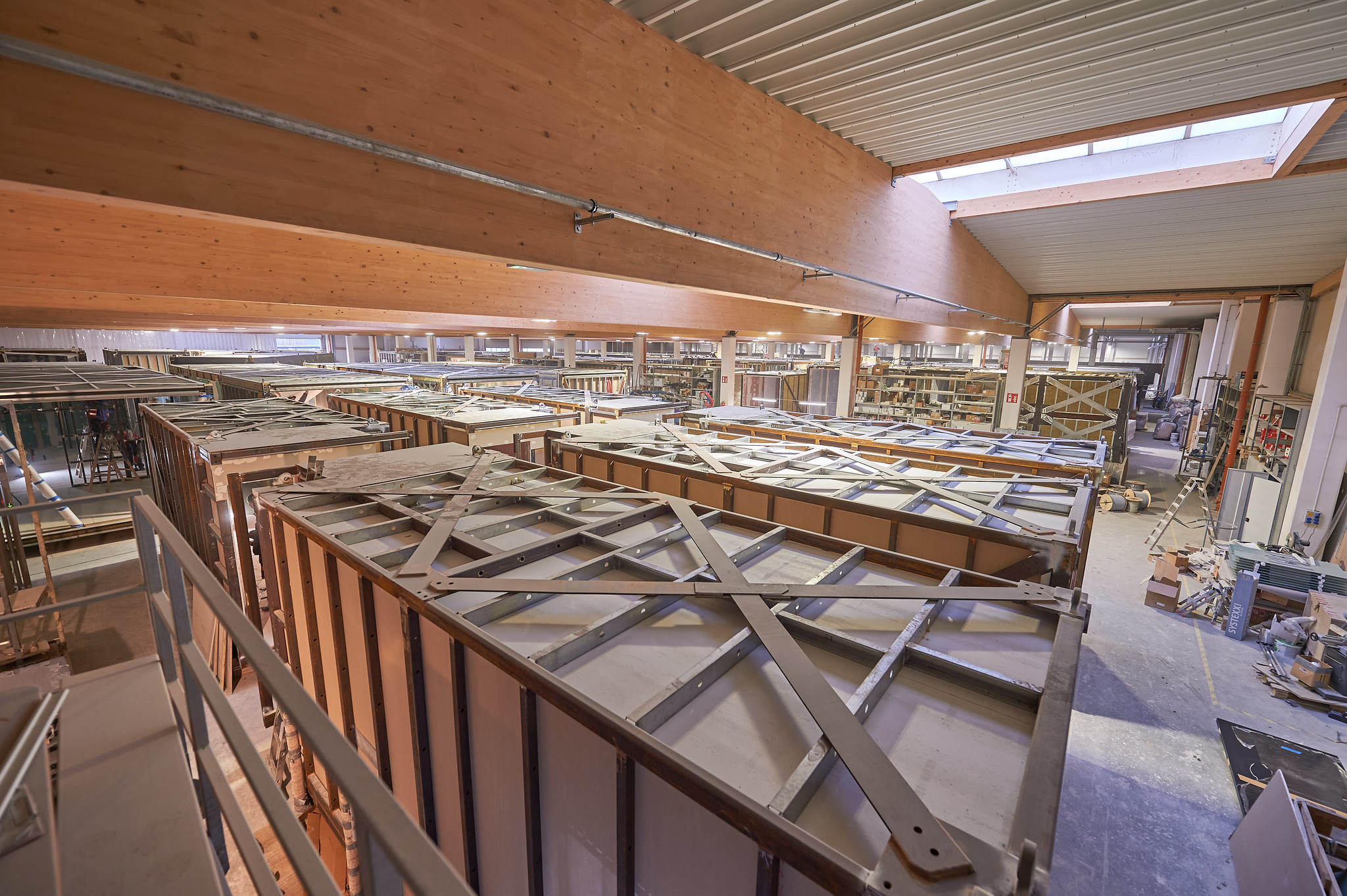
photo – Guerdon Modular
This isn’t a story of overnight disruption or hockey-stick growth charts. It’s a story of incremental acceptance, hard lessons learned, and a slow but steady widening of where modular fits in the commercial world.
The Early Years: Portable by Necessity, Not by Choice
Fifty years ago, commercial modular meant one thing to most people: temporary. Classrooms behind schools. Jobsite trailers. Field offices parked on gravel lots. These buildings served a purpose, but they were never intended to be admired—or remembered.
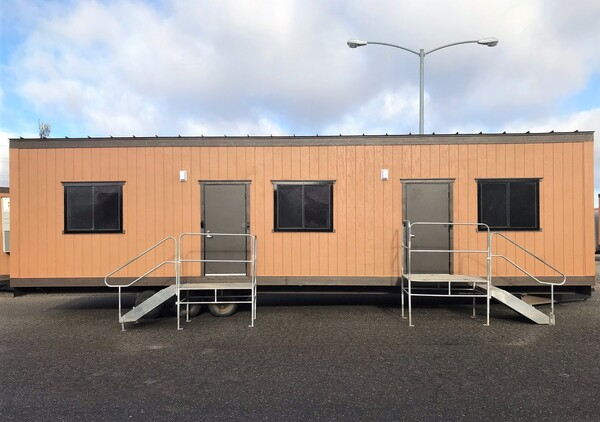
Typical Temporary Modular Office
Back then, modular’s role in commercial construction wasn’t about innovation. It was about convenience. Speed mattered. Permanence didn’t. Quality expectations were low, aesthetics were an afterthought, and nobody was pretending these buildings would anchor a campus or define a brand.
That early reputation has lingered far longer than it deserved. And commercial modular has spent decades trying to outgrow it.
The Shift Toward Permanence
Somewhere along the way—slowly and unevenly—the industry began to change its own expectations. Commercial modular started asking harder questions of itself. What if these buildings weren’t temporary? What if they had to perform for 30, 40, or 50 years? What if inspectors, architects, lenders, and end users judged them exactly the same way they judged site-built construction?

photo – Modlogiq
That shift didn’t happen all at once, and it didn’t happen everywhere. But it happened enough to matter.
Permanent commercial modular buildings began appearing in education, healthcare, hospitality, and office projects. Not experimental one-offs, but real facilities with real owners who expected them to last. That alone marked a turning point. Modular wasn’t just filling gaps anymore. It was being asked to carry weight.
Growth Without the Hype
If you’re looking for dramatic percentage gains over 50 years, you’ll be disappointed. Commercial modular has never dominated market share, and it still sits in the single-digit range of total commercial construction activity in most regions.
But here’s the part that gets overlooked: it didn’t shrink away, either.

While entire construction trends have come and gone, modular commercial construction has steadily expanded in absolute terms. More square footage. More project types. More repeat customers. More confidence from developers who once said, “Let’s never do that again,” and later came back saying, “This time, let’s do it right.”
That kind of growth doesn’t make headlines—but it’s real.
Where Commercial Modular Found Its Footing
One reason commercial modular survived when so many predicted it wouldn’t is that it learned where it truly belonged. Certain segments began to recognize its strengths earlier than others.

photo – Northstar Modular
Education embraced modular not just for speed, but for predictability during tight enrollment cycles. Healthcare saw value in controlled environments where infection control and scheduling mattered. Hospitality learned that repeating room designs in factories could protect margins better than reinventing the wheel on every site. Data centers and industrial facilities began to value precision and parallel workflows.
Commercial modular didn’t try to win everywhere. It found places where it could win consistently.
The Code and Perception Battle
No acknowledgement of the past 50 years would be complete without addressing the friction. Commercial modular has always lived under a microscope. Multiple jurisdictions. Multiple inspections. Confusion over responsibility. Skepticism from trades unfamiliar with factory-built workflows.
These weren’t minor inconveniences. They slowed adoption, added cost, and scared off developers who didn’t have the patience—or the appetite—for education.
Yet over time, those barriers became less mysterious. Authorities became more familiar. Inspectors learned what to look for. Designers learned what worked and what didn’t. The process didn’t become easy—but it became survivable. And in construction, survivable often equals progress.
Technology Helped, But It Didn’t Save the Day
It’s tempting to credit technology for modular’s gradual acceptance, and it certainly helped. Better design tools, improved coordination, and more refined factory processes raised the floor for quality and consistency.
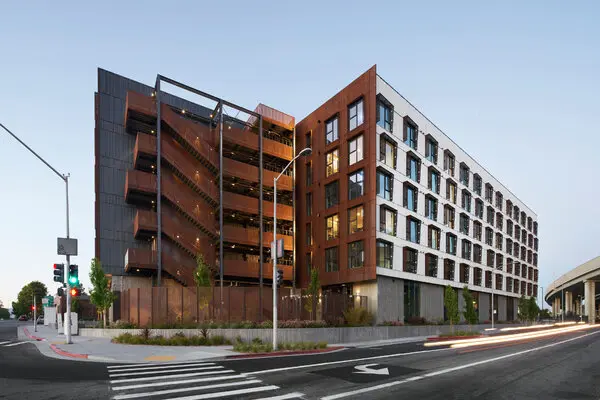
photo – Factory OS
photo – FactorBut technology didn’t magically solve modular’s challenges. What made the difference was experience. Projects that didn’t fail. Buildings that performed as promised. Owners who came back for a second and third project.
Commercial modular didn’t grow because it was futuristic. It grew because, little by little, it proved itself dependable.
Why the Past 50 Years Matter Now
Looking back isn’t about nostalgia. It’s about context. Commercial modular’s slow growth isn’t evidence of failure—it’s evidence of resilience.
This industry has endured economic cycles, labor shortages, regulatory confusion, over-promising startups, and more than a few self-inflicted wounds. And yet, commercial modular construction is more accepted today than it was 20, 30, or 40 years ago.
Not universally. Not effortlessly. But undeniably.
A Quiet Success Story Still Being Written
Commercial modular construction may never claim a dominant share of the market. It may never replace traditional construction. But after 50 years, it has earned something far more valuable than hype: a seat at the table.
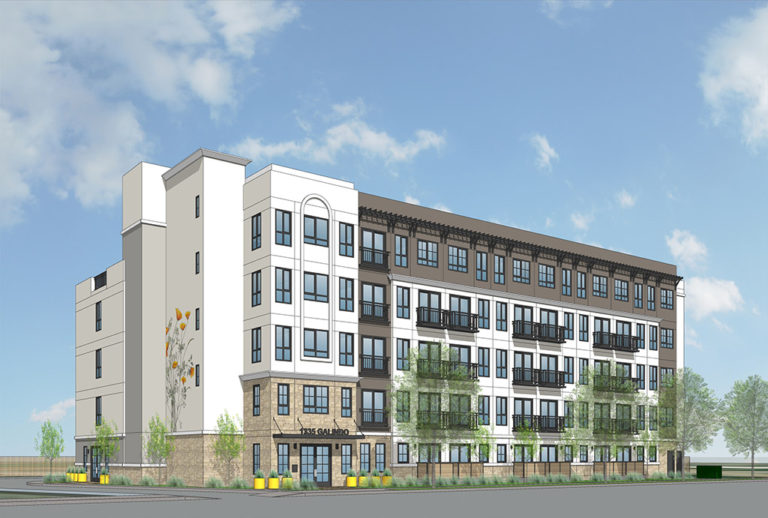
photo – Autovol
It is no longer automatically dismissed as temporary, inferior, or risky. In the right hands, for the right projects, it is a proven delivery method with real advantages—and real accountability.
That’s worth acknowledging.
Because progress doesn’t always arrive with a parade. Sometimes it shows up quietly, does the work, and waits for the rest of the industry to catch up.
.
With more than 10,000 published articles on modular and offsite construction, Gary Fleisher remains one of the most trusted voices in the industry.
.
CLICK HERE to read the latest edition

Contact Gary Fleisher