



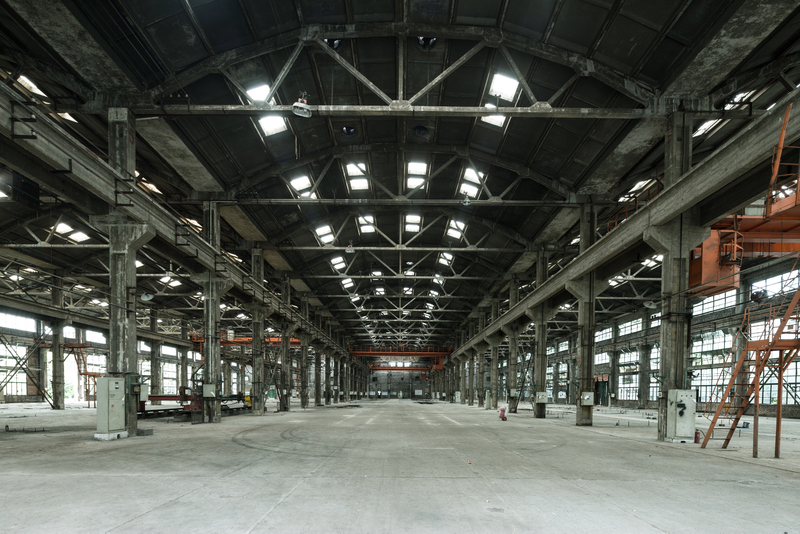
As of 2024, there are dozens of modular home factories across the United States, each varying in size, production capacity, and specialization. The exact number can be difficult to pinpoint due to the constant evolution of the industry, but estimates suggest there are around 50-100 factories operating in the U.S.
.
The modular housing industry, currently holding a modest 3% share of the U.S. new home market, is poised for significant growth. With the increasing demand for affordable, sustainable, and quickly constructed housing, experts believe that modular homes can capture up to 10% of the market. Achieving this ambitious goal will require a strategic increase in production capacity. This article explores the current landscape of modular housing, the potential for expansion, and the steps needed to realize this growth.
Current Production Capacity of Modular Home Factories
Existing Infrastructure and Output
As of 2024, there are approximately 60 modular home factories operating in the United States. These factories are spread across various regions, with notable concentrations in states like California, Texas, and Pennsylvania, where housing demand is particularly high. On average, each factory produces between 10 and 15 modules per week, with a mean production rate of 12.5 modules per week. This translates to a collective output of about 750 modules weekly, which is used to construct approximately 250 ranch and two-story single-family homes per week (since each home typically requires three modules).
Comparison to Traditional Construction
Modular construction offers several advantages over traditional methods, including faster build times, improved quality control, and reduced waste. However, the current capacity only supports a fraction of the total housing demand. The construction industry’s annual output is about 1.5 million new homes, with modular homes contributing around 45,000 units (3% of the total). To increase this to 10%, a significant scale-up is required.
Required Production for Market Share Expansion
Target Production Goals
To achieve a 10% market share, the modular home industry needs to produce 150,000 homes annually. This represents a substantial increase from the current production levels and requires a corresponding boost in the weekly output from 250 homes to approximately 2,885 homes.
Weekly Production Requirements
Meeting the target market share necessitates a weekly production of 8,655 modules (2,885 homes * 3 modules per home). This is a dramatic increase from the current 750 modules per week, highlighting the need for a significant expansion of factory capacity.
Bridging the Gap: New Factory Requirements
Calculating the Shortfall
The shortfall in production capacity is evident, with an additional 7,905 modules needed per week to meet the target. To bridge this gap, the industry must build and operationalize new factories. Given the average production rate of 12.5 modules per week per factory, the industry needs approximately 633 additional factories.
Strategic Placement and Benefits
Strategically locating these new factories can further optimize production and distribution. For instance, placing factories near high-demand areas, such as urban centers and regions with high housing costs, can reduce transportation costs and delivery times. Additionally, this strategy can stimulate local economies by creating jobs and supporting ancillary industries.
The Road Ahead: Implementation and Challenges
Investment and Collaboration
Achieving this expansion requires significant investment from both private and public sectors. Government incentives, such as tax breaks and grants, can play a crucial role in encouraging investment in new factories. Collaboration between developers, manufacturers, and policymakers is essential to streamline the regulatory processes and ensure that new facilities can be built and operationalized quickly.

Assuming for just a moment that the average new modular factory with all the automation, robotics, and other innovative features will cost $25M each, those 573 new factories will cost over 14 billion dollars!
Technological Advancements
Incorporating advanced technologies, such as automation, robotics, and Building Information Modeling (BIM), can enhance the efficiency and quality of modular construction. These technologies can help factories increase their output without compromising on the quality or safety of the homes produced.
Workforce Development
Scaling up production also demands a skilled workforce. Investing in training programs and partnerships with vocational schools can ensure a steady supply of qualified workers. This not only supports the modular home industry but also provides stable employment opportunities in manufacturing and construction sectors.
Modcoach Note:
The potential for modular housing to capture a larger share of the new home market is immense. By strategically expanding production capacity, leveraging technological advancements, and fostering collaboration between key stakeholders, the industry can meet the growing demand for affordable, high-quality housing.
But achieving a 10% market share is an ambitious goal that may never be within reach. The future of housing may well be modular, offering a sustainable solution to the nation’s housing challenges but building over 500 new modular factories just seems a gargantuan task.
.

CLICK HERE to read the latest edition

Contact Gary Fleisher