

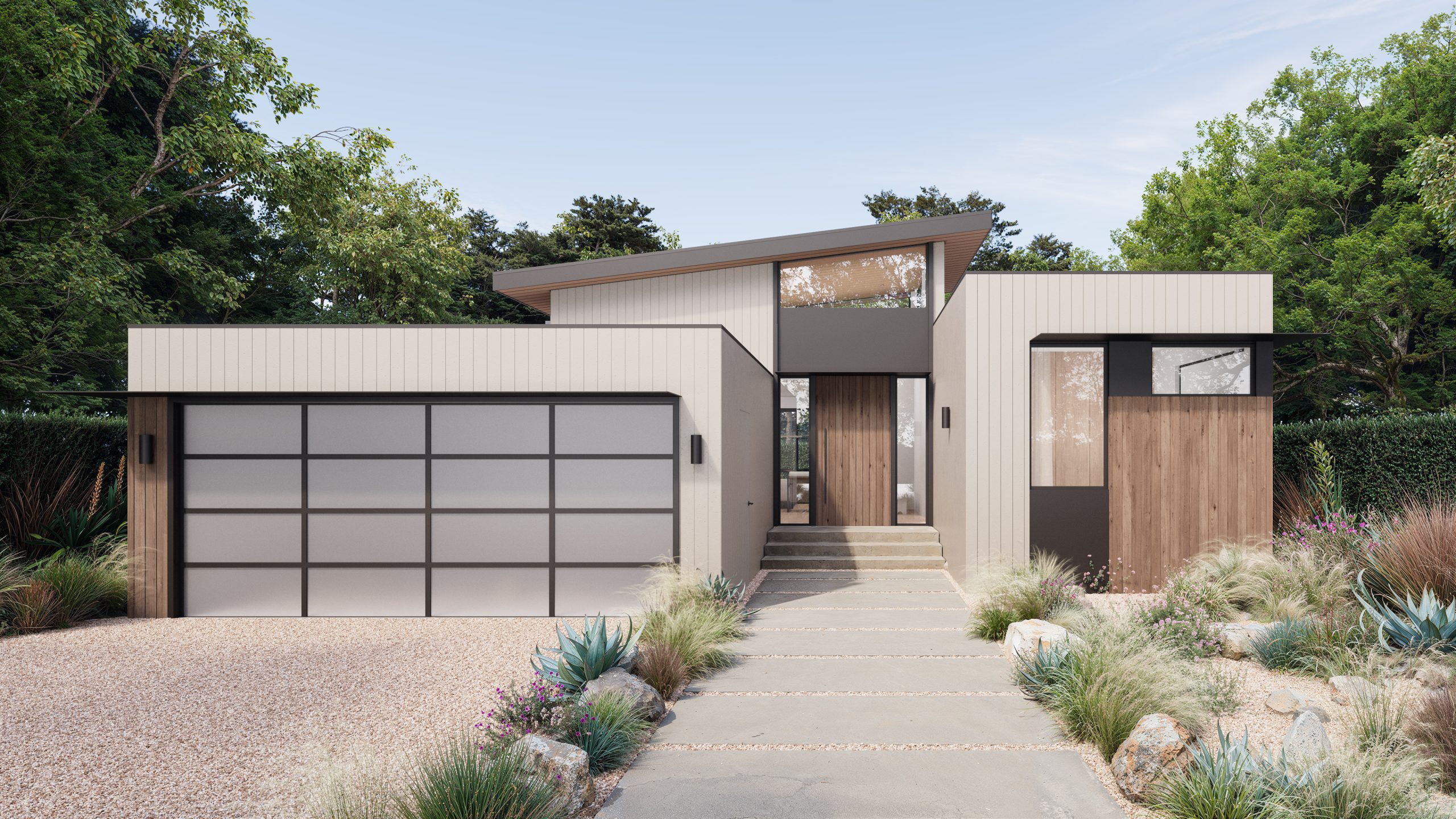
For years, one of the biggest criticisms of modular construction in California has been simple and painfully accurate: most companies either build high-end custom homes or large multifamily projects, but very few focus on the everyday homeowner with a typical suburban lot. That may be starting to change.
Southern California custom modular builder Bevyhouse recently announced the launch of Sunrise, its first ready-to-build line of factory-built homes. The goal is straightforward—bring high-quality modular housing to the kind of standard 50-by-100-foot lots that make up much of California’s existing neighborhoods. That’s a big shift for a company known for custom, architect-driven projects.
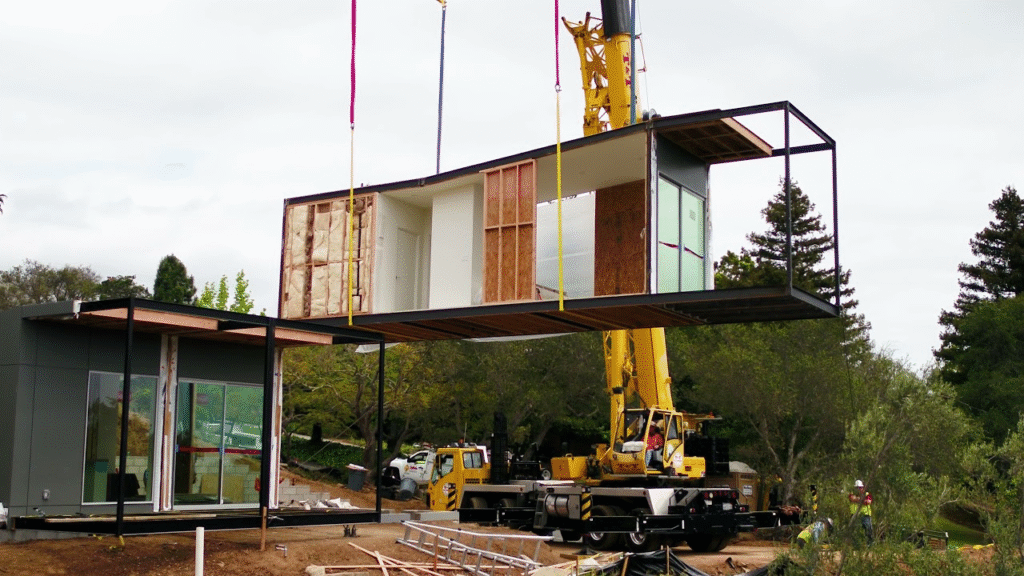
The Sunrise line is designed as a pre-engineered system that still delivers strong architecture, resilience, and efficiency while simplifying design and permitting. Instead of starting from scratch on every home, Bevyhouse is creating a repeatable platform that can be adapted to different sites, helping reduce costs and timelines. According to the company, the new approach combines “timeless, ready-to-build” design with the advantages of factory construction.
This may sound like a logical step, but in the offsite world, it’s actually a major strategic pivot.
Why Custom Modular Has Been a Double-Edged Sword
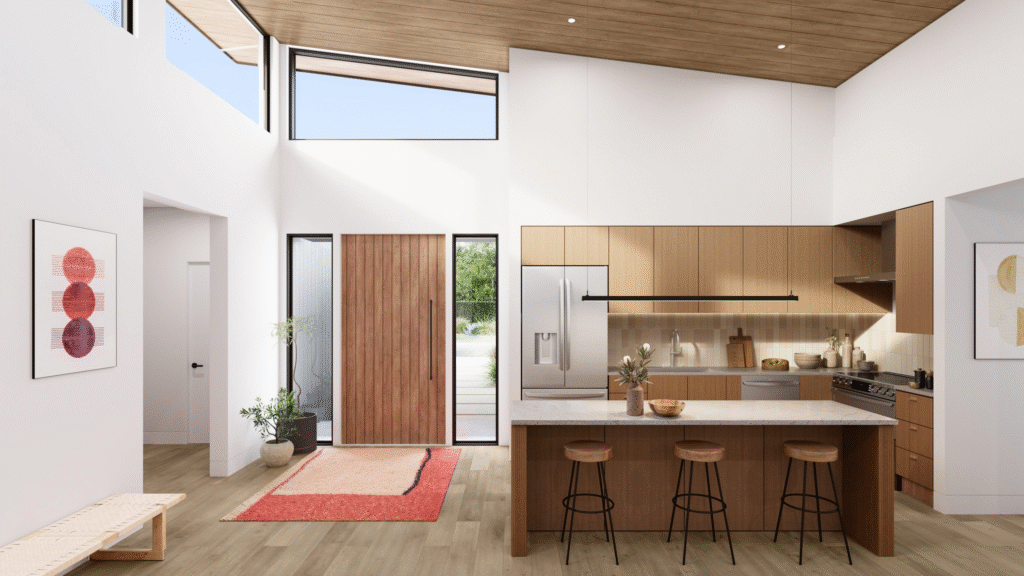
Bevyhouse built its reputation on high-end custom modular homes and fire rebuilds throughout California. Its modular design system integrates 3D modeling, engineering, and factory construction to deliver customized projects faster and with less waste than traditional building.
But here’s the reality most in the industry already know. Custom modular projects are exciting, but they’re also slow to scale. Every new design means new engineering, new approvals, and often new challenges. That makes it hard to reach the kind of volume needed to move the needle on housing shortages.
Developers want repeatability. Cities want predictability. And factories want steady pipelines.
That’s where standardized product lines come in.
The 50’ x 100’ Lot Opportunity
Across California, thousands of small infill lots sit vacant or underutilized. These parcels often fall into a middle ground—too small for large multifamily development and too expensive for traditional custom home building. Many belong to individual homeowners, small builders, or investors who don’t have the time or expertise to manage a complex custom project.
If modular companies can provide ready-to-build homes designed specifically for these lots, they unlock a huge segment of the market.
The Sunrise concept aims directly at this opportunity. Standardization can reduce design and engineering time, streamline permitting, and create predictable construction costs. That’s exactly what small developers and first-time builders need.
And let’s be honest. It’s also what lenders and investors want to see.
Why This Could Be a Bigger Trend
Bevyhouse isn’t alone in moving this direction. Across the offsite industry, companies are discovering that success often comes from balancing customization with productization. Too much customization slows growth. Too much standardization limits flexibility.
The companies that win will likely do both.
For years, modular has promised speed and cost savings. But the industry has struggled to prove it consistently because every project has been treated as a one-off. If more custom builders begin offering standardized product lines, the offsite sector may finally reach the scale needed to compete with traditional construction.
This shift also aligns with broader market pressures. Rising land costs, labor shortages, and increasing regulations are forcing builders to rethink their business models. Standardized modular homes could offer a more predictable path forward.
The California Reality Check
Of course, none of this is easy in California.
Permitting remains slow. Zoning varies widely. Local resistance to new housing is still strong. Even factory-built homes must navigate local building departments and design review boards.
But targeting typical suburban lots may actually help. Instead of fighting massive entitlement battles, builders can work within existing neighborhoods and zoning frameworks.
This is where modular could quietly grow—not through large headline-grabbing projects, but through thousands of smaller infill developments.
What This Means for the Offsite Industry
This move by Bevyhouse should catch the attention of factory owners, developers, and investors across the country. It signals that even established custom modular companies recognize the need for scalable, repeatable housing solutions.
It also reinforces a lesson many offsite startups learn the hard way: volume and pipeline stability matter more than architectural awards.
If Sunrise succeeds, it could open a new path for modular growth—one focused on real neighborhoods, real lots, and real buyers.
And if more companies follow, the future of offsite construction may not be defined by massive factory complexes or large multifamily towers.
It may be defined by something far simpler.
One standard lot at a time.
.
With more than 10,000 published articles on modular and offsite construction, Gary Fleisher remains one of the most trusted voices in the industry.
.
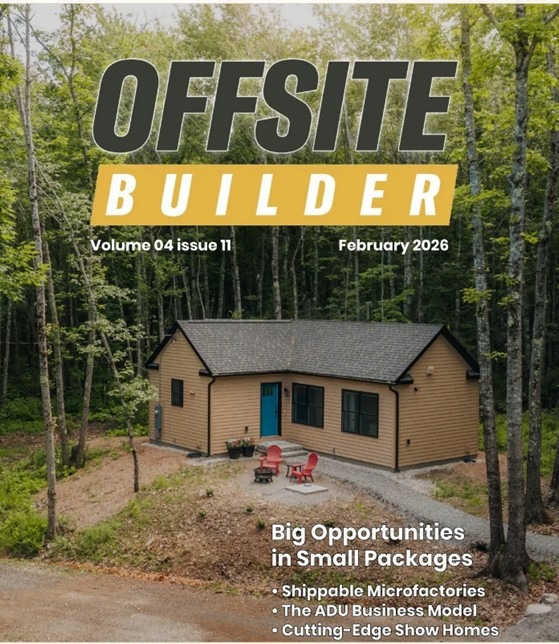
CLICK HERE to read the latest edition

Contact Gary Fleisher