




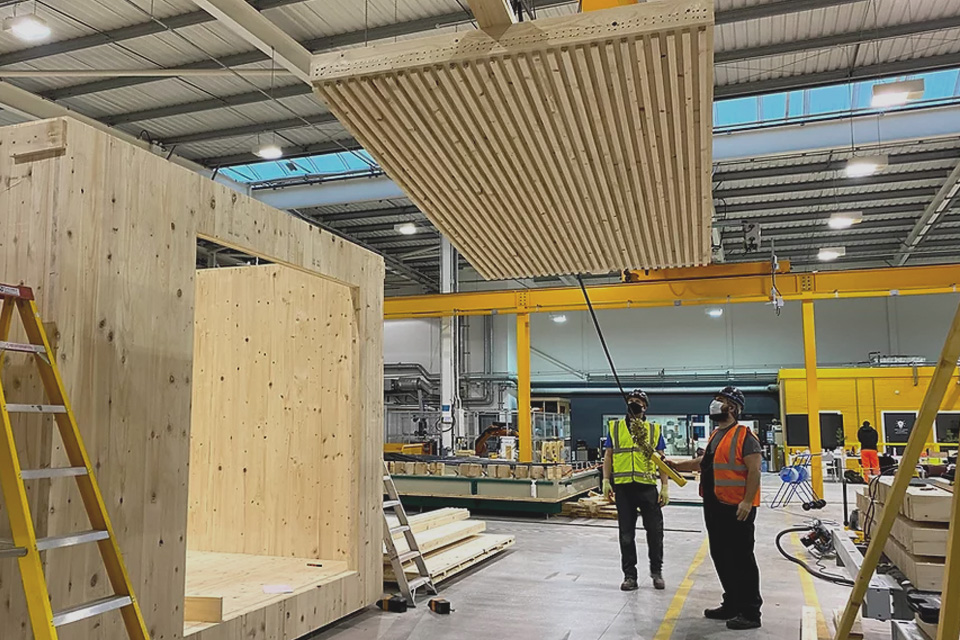
A Different Kind of Modular Company
As we’ve all observed, many modular builders are still experimenting with materials and processes. Ecosystems Technologies has taken a more decisive path. The UK-based company has built its entire identity around mass timber, specifically Cross-Laminated Timber (CLT), and has committed to doing it at a level that goes beyond trends and into long-term strategy.
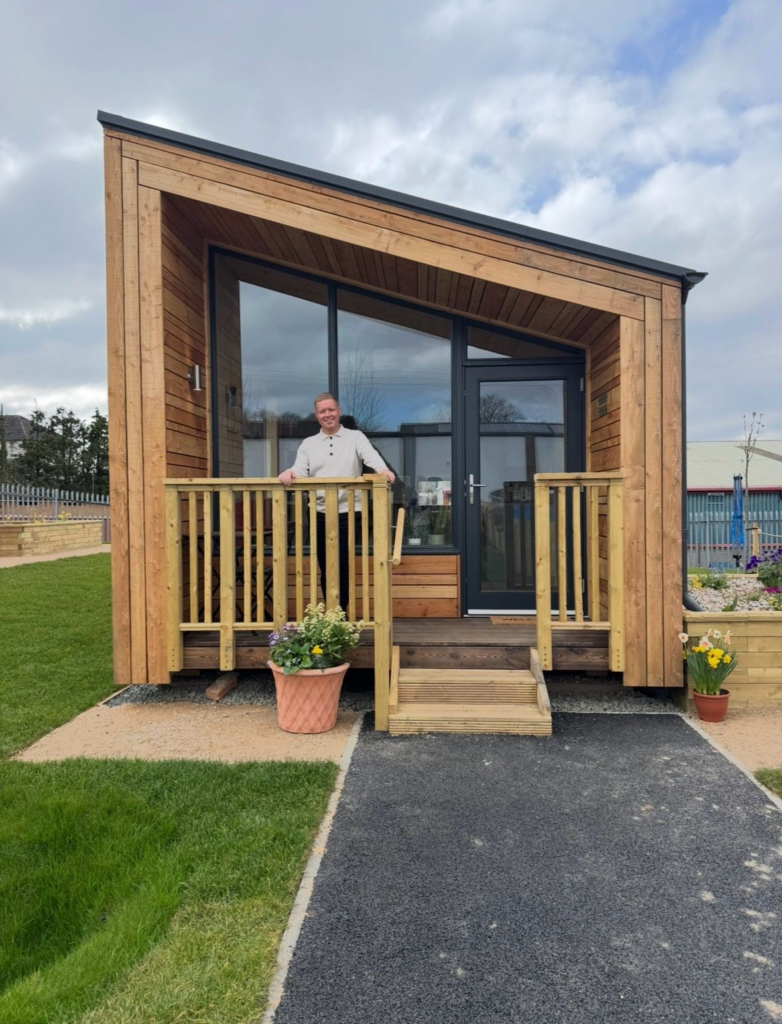
Rather than treating timber as just another option, they’ve made it the foundation of everything they do. That clarity of purpose is rare in offsite construction, where too many companies try to be everything to everyone and end up mastering very little.
Why CLT Isn’t Just a Material—It’s a System
CLT is often discussed in terms of sustainability, and rightly so, but Ecosystems Technologies is showing that its real strength lies in how it transforms the entire building process. By using engineered timber panels as both structure and enclosure, they’ve simplified what is traditionally a complex layering of materials and trades.
The result is a system that is not only structurally sound but also highly predictable. Predictability, as every factory owner knows, is where profit and quality begin to align, and CLT offers that in ways conventional framing often struggles to match.
Building in the Factory, Not Just Assembling There
One of the most impressive aspects of Ecosystems Technologies is how far they push the concept of offsite manufacturing. Their modular units are not rough shells waiting to be finished on site. They are highly complete, precision-built living spaces that roll out of the factory with structure, insulation, mechanical systems, and finishes already in place.
This level of completion dramatically reduces the uncertainty that typically follows a project from factory to field. When modules arrive on site, they are not the beginning of another construction phase; they are the near-final product, ready to be set, connected, and occupied.

Harriet Gardens: A Real-World Example That Works
The Harriet Gardens development in Scotland offers a compelling look at what this approach can achieve. Designed as a supported housing community, the project demonstrates how speed, quality, and thoughtful design can come together to address real-world housing challenges.
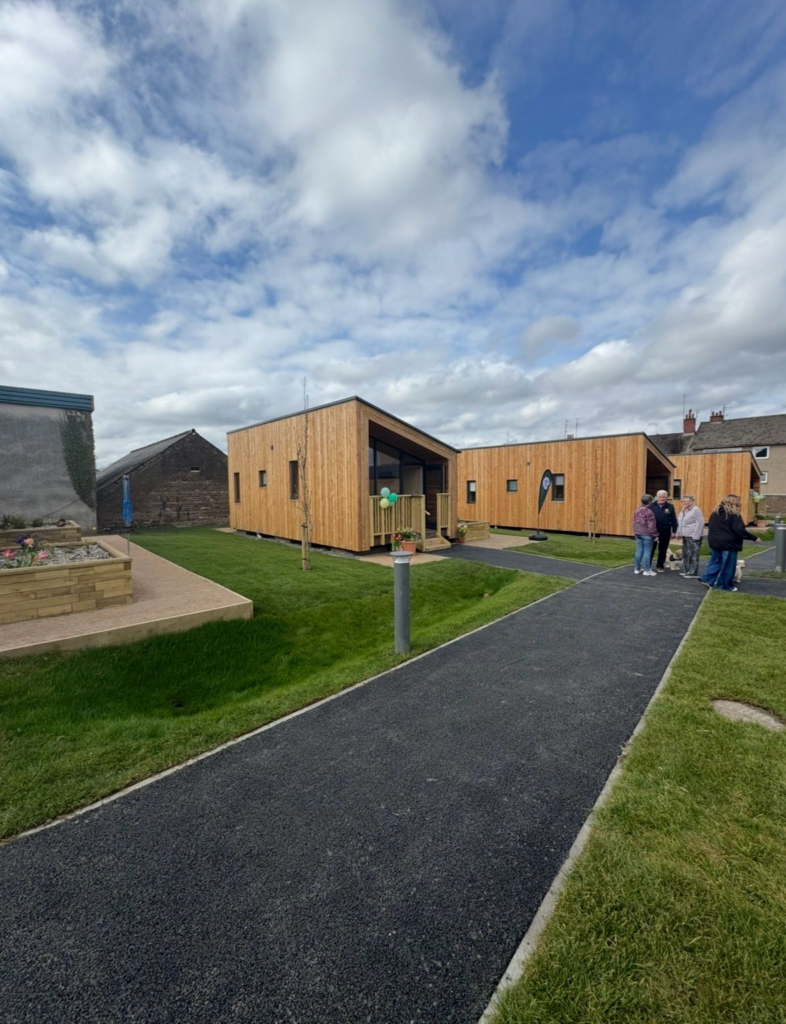
The homes were manufactured offsite using Ecosystems’ CLT-based modular system and delivered as finished units ready for installation. What could have been a long, disruptive construction process became a streamlined operation, with homes placed quickly and efficiently, minimizing both time and impact on the surrounding community.
Local Timber, Global Implications
Another standout feature of Ecosystems Technologies is their commitment to sourcing timber locally within the UK. This decision does more than reduce transportation costs and emissions; it strengthens regional supply chains and supports a more resilient construction ecosystem.
By tying their manufacturing process to locally sourced materials, they are creating a model that other regions could replicate. It’s a reminder that the future of construction may not rely on global supply chains alone, but on smart, localized systems that can deliver both quality and sustainability.
Sustainability That Goes Beyond Marketing
Sustainability has become a buzzword in construction, but Ecosystems Technologies treats it as a measurable outcome rather than a marketing slogan. Mass timber sequesters carbon, factory production reduces waste, and precision manufacturing limits rework, all contributing to a more efficient and environmentally responsible building process.
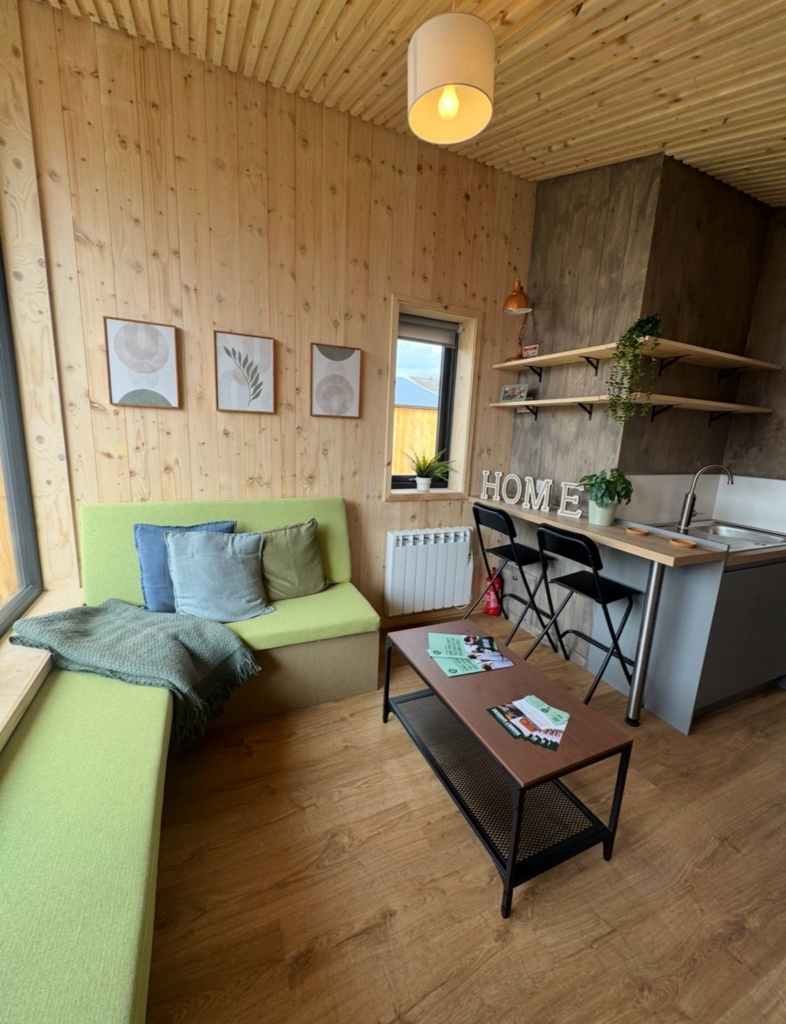
More importantly, these benefits are not achieved at the expense of durability or performance. The homes are designed for long-term use, proving that sustainable construction can also be practical, resilient, and economically viable.
A Glimpse of Where Modular Is Headed
Ecosystems Technologies may not be the largest player in the modular space, but they are quietly demonstrating what the next phase of offsite construction could look like. Their focus on system-based design, material consistency, and high levels of factory completion points toward a future where building is less about improvisation and more about precision.
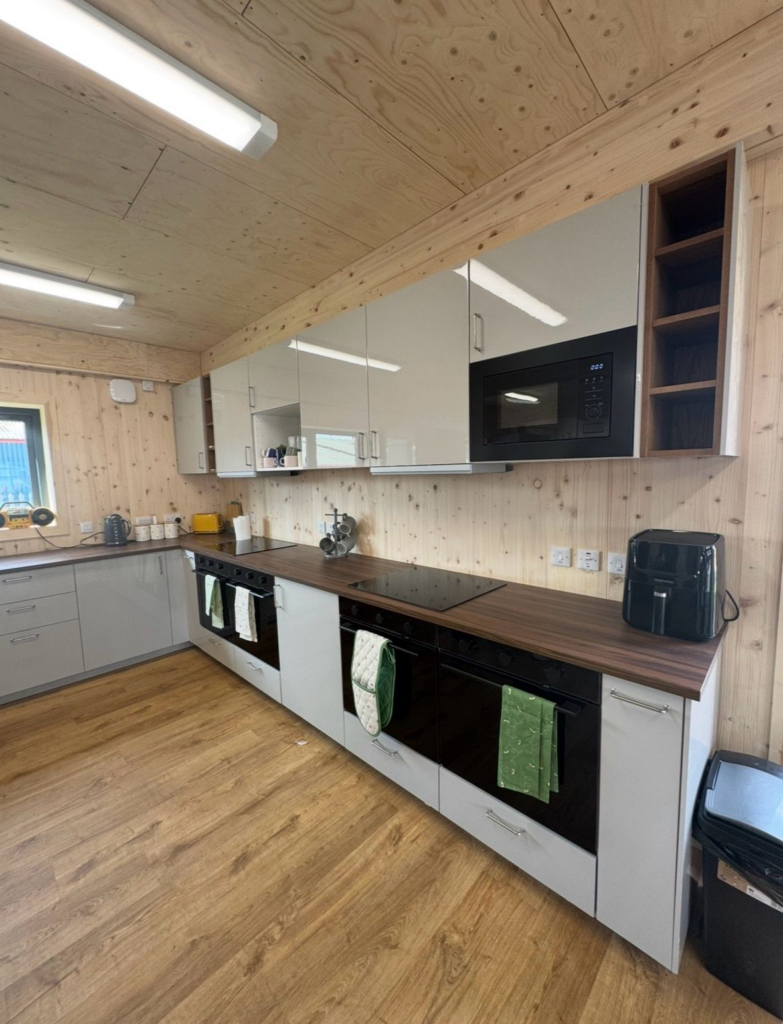
For an industry that has often struggled to balance innovation with execution, their approach offers a refreshing example of both working in harmony. It’s not just about building faster or cheaper; it’s about building smarter from the very beginning.
The Quiet Confidence of a Focused Strategy
There is a quiet confidence in the way Ecosystems Technologies operates. They are not chasing every opportunity or pivoting with every market shift. Instead, they are refining a system, proving it in real projects, and allowing the results to speak for themselves.
In an industry filled with bold claims and unfinished ideas, that kind of discipline stands out. And if the success of projects like Harriet Gardens is any indication, it’s a strategy that is not only working today but is well-positioned for the future of modular housing.
Modcoach Observation

What Ecosystems Technologies is quietly proving is something our industry still struggles to accept: you don’t need to be the biggest factory, the fastest line, or the loudest voice to move the needle—you need a system that actually works, repeatably, every time. By committing to CLT and building their entire process around it, they’ve eliminated a lot of the guesswork that continues to haunt so many modular operations.
The real lesson here isn’t about mass timber—it’s about discipline. While others are still debating materials, chasing markets, or tweaking processes midstream, Ecosystems has picked a lane, engineered it into a system, and is now delivering finished housing consistently. If more factories spent less time experimenting and more time standardizing what already works, we might see fewer “almost successful” modular companies—and a lot more that quietly succeed.