
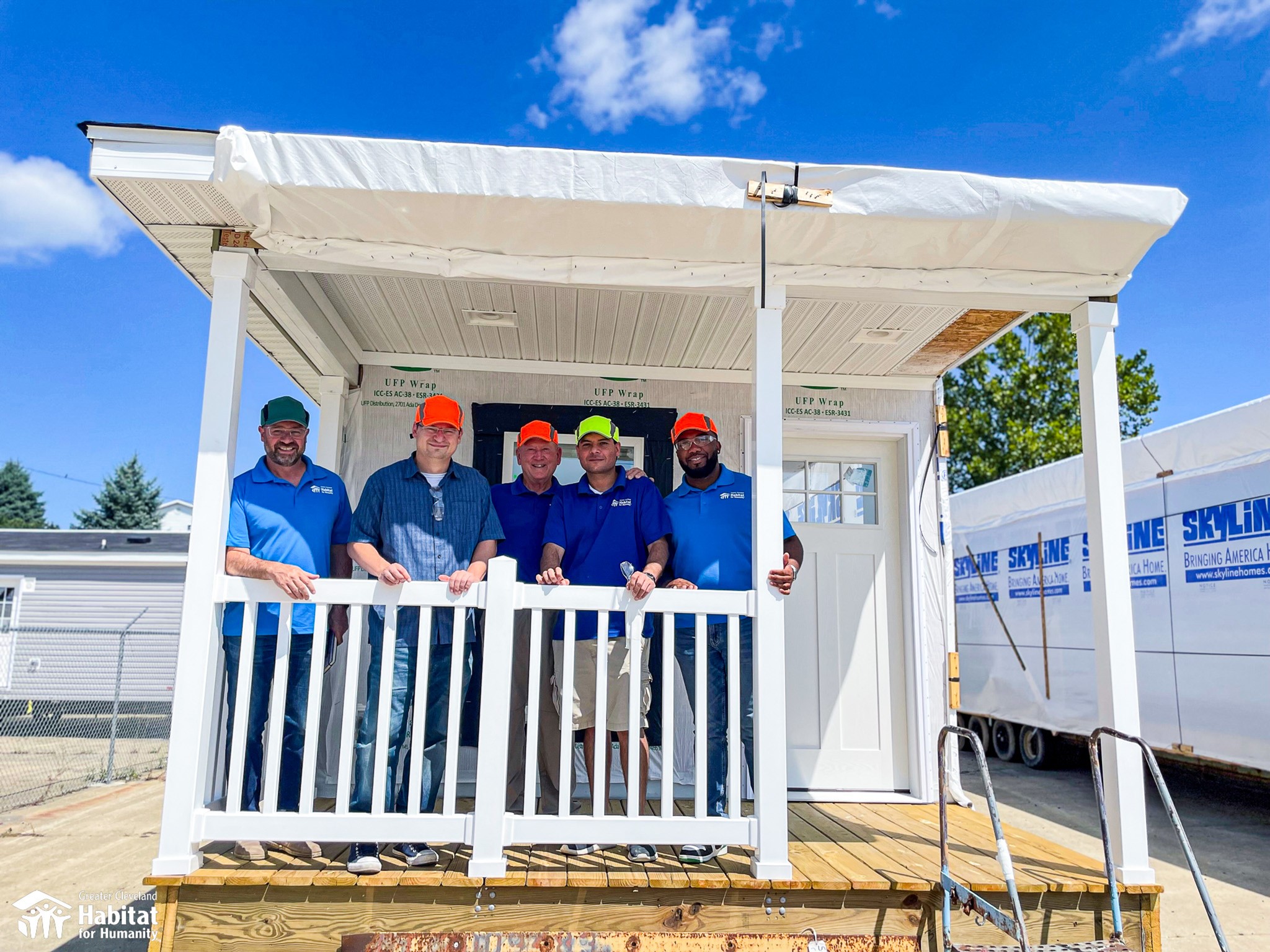
In a significant step toward addressing the affordable housing crisis in Cleveland, Greater Cleveland Habitat for Humanity is embracing modular construction to build 19 new homes. This innovative approach marks a turning point in the organization’s ongoing mission to provide safe, affordable housing for families in need. As housing prices continue to rise and the availability of affordable homes dwindles, the shift to modular construction offers a faster, more cost-effective solution to meet the growing demand.
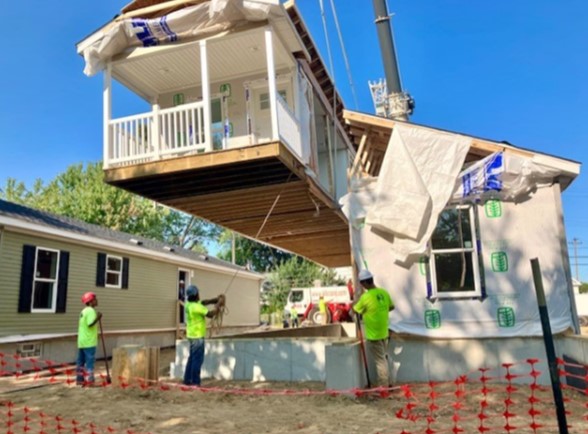
photo – Megan Sims, Cleveland.com
Modular construction, which involves building homes in sections in a controlled factory environment and then assembling them on-site, has gained traction across the construction industry for its efficiency, precision, and sustainability. For Habitat for Humanity, this method is a natural fit, aligning with the organization’s goal of providing high-quality homes while keeping costs manageable for low-income families.
The Need for Innovation in Affordable Housing
The housing crisis in Cleveland mirrors the nationwide struggle for affordable homes. Rising construction costs, labor shortages, and supply chain issues have exacerbated the problem, leaving many families unable to afford safe housing. In response, Habitat for Humanity has long sought ways to streamline the homebuilding process without sacrificing quality. Modular construction presents an opportunity to do just that by reducing construction timelines, minimizing waste, and controlling costs more effectively than traditional on-site building methods.
.
According to a recent tweet by Greater Cleveland Habitat for Humanity, the organization’s latest project involves the construction of 19 modular homes, manufactured by Skyline Homes, each designed to provide energy-efficient, affordable housing for families in the area. These homes are built in partnership with local companies, reflecting a collaborative effort to address Cleveland’s housing needs.
How Modular Construction Works
In modular construction, homes are built in sections, or modules, in a factory setting. These modules are then transported to the construction site, where they are assembled to form a complete home. The process allows for greater control over the building environment, which in turn leads to fewer delays caused by weather or other on-site challenges. Additionally, building in a factory setting reduces material waste and allows for more efficient use of resources, which can result in lower overall costs.
For Habitat for Humanity, modular construction offers several key advantages. First, it significantly reduces the time required to build a home. Traditional construction can take several months, but with modular homes, the process can be completed in a matter of weeks. This speed is especially critical as the demand for affordable housing continues to rise. Second, modular construction allows for greater precision, resulting in homes that are built to exact specifications and meet high standards of energy efficiency. This not only benefits the environment but also helps lower utility costs for homeowners.
Local Impact and Community Involvement
The decision to build modular homes in Cleveland comes at a time when the city is facing an acute shortage of affordable housing. By adopting modular construction, Habitat for Humanity is able to scale up its efforts and deliver more homes to families in need. The organization’s work is part of a broader initiative to revitalize neighborhoods and provide long-term stability for residents.
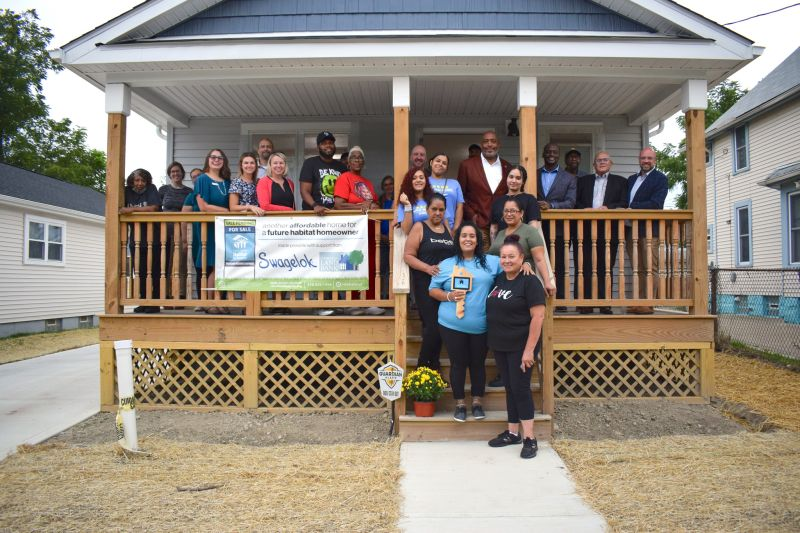
As with all Habitat for Humanity projects, the construction of these modular homes involves a strong emphasis on community involvement. Volunteers from the local community, along with future homeowners, play an integral role in the building process, working side by side with construction professionals to bring the project to life. This model of engagement fosters a sense of ownership and pride among homeowners, many of whom invest “sweat equity” into their new homes by contributing labor during the construction phase.
Habitat’s modular home initiative is also supported by local businesses and donors, who provide funding and materials for the project. The collaborative nature of these efforts underscores the importance of partnerships in tackling the affordable housing crisis.
Addressing the Affordable Housing Crisis
Modular construction is one of several strategies Habitat for Humanity is exploring to address Cleveland’s affordable housing challenges. The organization is committed to finding innovative solutions that not only meet immediate housing needs but also create lasting impacts for families and communities.
By embracing modular construction, Greater Cleveland Habitat for Humanity is positioning itself at the forefront of a movement to rethink how affordable housing is built. This approach offers a scalable, cost-effective solution that could serve as a model for other cities facing similar challenges.
The 19 homes being constructed as part of this initiative are more than just buildings—they represent hope for families who have long struggled to find stable housing. Each home will provide a safe, secure place for its occupants to live, grow, and thrive, helping to break the cycle of poverty and contribute to the long-term success of Cleveland’s neighborhoods.
The Future of Modular Housing in Cleveland
As Greater Cleveland Habitat for Humanity continues to explore new ways to expand affordable housing, modular construction is likely to play a key role in future projects. The organization’s willingness to adopt this innovative approach demonstrates its commitment to addressing the housing crisis head-on and finding practical, sustainable solutions that can be replicated on a larger scale.
In a time when affordable housing is in short supply, initiatives like this offer a glimpse of what’s possible when communities come together to tackle complex challenges. By leveraging the power of modular construction, Habitat for Humanity is not only building homes but also building a brighter future for Cleveland’s families.
.

CLICK HERE to read the latest edition

Contact Gary Fleisher