Let’s face it: the construction industry isn’t exactly known for embracing change quickly. But something big is sprouting up—literally. Builders, architects, and even regulators are starting to look seriously at plant-based building materials. We’re talking wood, hemp, bamboo, and a growing list of botanical wonders that are strong, sustainable, and surprisingly stylish. These materials aren’t just good for the planet—they’re also good for business. But here’s the catch: most people still don’t know enough about them. That’s where a smart, targeted marketing push can turn curiosity into momentum and help plant-based construction grow from niche to normal.
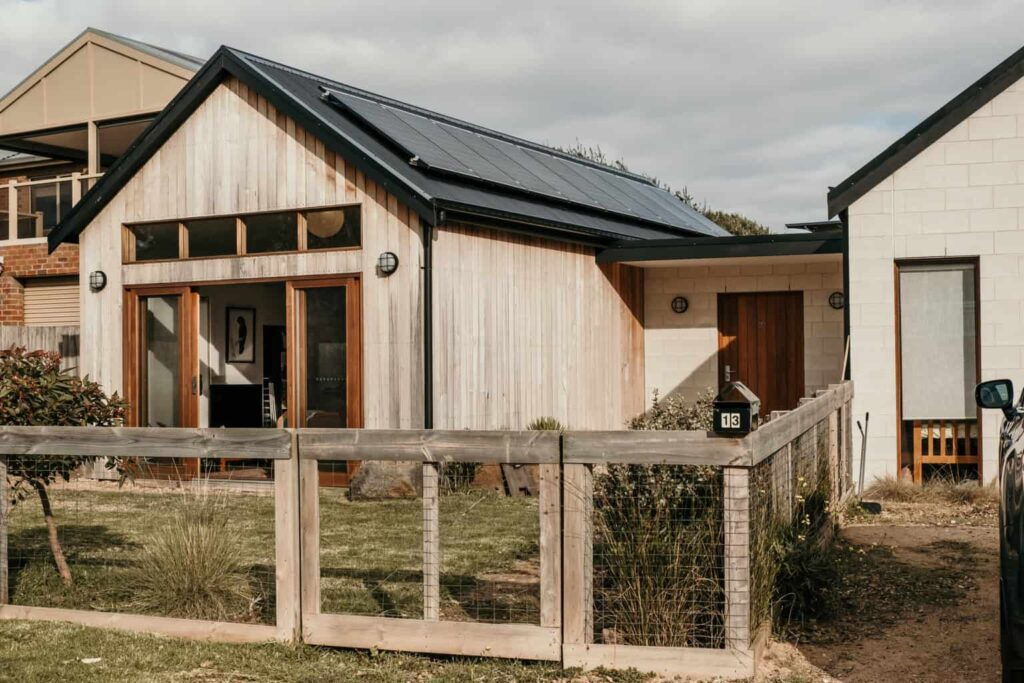
Wood: The Original Green Builder
Wood has always been the go-to for construction. It’s renewable, versatile, and thanks to innovations like Cross-Laminated Timber (CLT), it’s gone from framing cozy cottages to holding up multi-story buildings. CLT is strong, fire-resistant, and performs well in earthquakes—not bad for something that grows on trees. But despite all its strengths, wood sometimes gets a bad rap from folks who associate it with deforestation. This is where good marketing matters. A Plant-Based campaign could help set the record straight—telling the story of managed forests that sequester carbon and the builders who are using wood responsibly to reduce their carbon footprint.
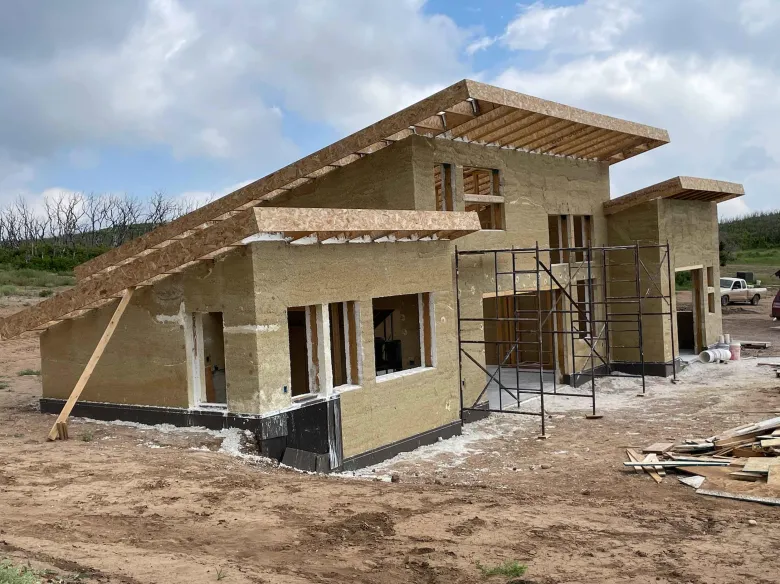
Hemp: The Underdog We’ve Been Waiting For
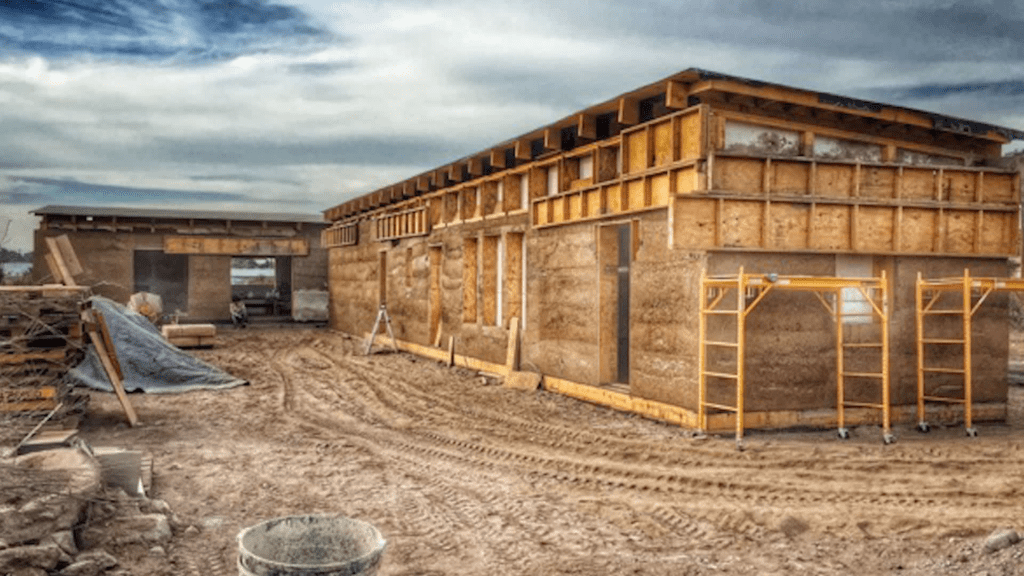
If ever there was a comeback kid in construction, it’s hemp. For decades, it was sidelined due to stigma, but now it’s reclaiming the spotlight with hempcrete—a bio-composite made from hemp hurds, lime, and water. Lightweight, breathable, and a natural insulator, hempcrete is gaining ground fast. Hemp fibers are also being used in insulation and wall panels. Plus, the plant itself grows fast, requires very little water, and doesn’t need pesticides. That’s a sustainability slam dunk. The problem? Most people still think hemp belongs in a health food aisle, not a wall system. A good marketing program could flip that narrative by showcasing real projects and letting builders and homeowners share their “aha” moments with hemp.
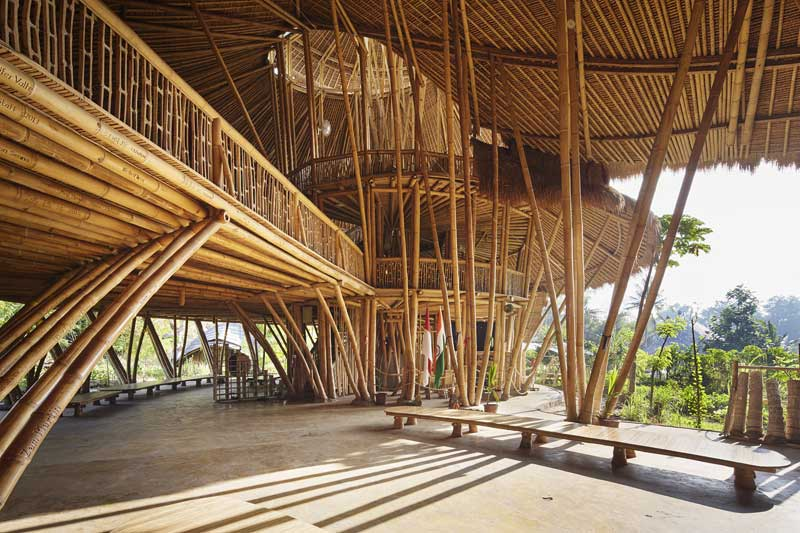
Bamboo: The Powerhouse Grass with Steel-Like Strength
Bamboo is one of nature’s most efficient machines. It grows fast—some species gain three feet in a single day—and it’s tough. With tensile strength rivaling steel, bamboo is perfect for structural framing, floors, and stunning finish work. So why don’t we see more of it in modern builds? It often comes down to uncertainty around durability and lack of standardization. That’s a marketing opportunity in disguise. Highlighting stunning bamboo-built homes and providing solid performance data could help sway skeptics and inspire architects to design with this underrated material.
Don’t Overlook the Other Stars of the Show
Beyond the big three—wood, hemp, and bamboo—there’s a botanical buffet of other plant-based materials waiting to shine. Mycelium (yes, fungus), straw bales, coconut husks, and palm leaves can all play a role in greener building. They offer insulation, structure, and style, all with minimal environmental impact. The challenge is that most of the world has never heard of them—or doesn’t trust them yet. That’s why marketing needs to focus on education, demos, and designer collaborations to move these materials from “huh?” to “how soon can we get that on the jobsite?”
How a Plant-Based Marketing Push Could Change Everything
If we want plant-based construction to take off, we need more than just pretty product shots. We need an entire ecosystem of education, trust-building, and real-world storytelling.
Start with Education. Whether it’s webinars for architects, jobsite tours for developers, or TikTok reels for curious homeowners, we need to explain what these materials are and why they matter. Knowledge is power—and also a powerful selling tool.
Certify It. Think “Plant-Based Certified.” A third-party stamp of approval that says, “Yes, this material is legit—sustainable, durable, and real.” With greenwashing everywhere, builders and buyers are hungry for trustworthy labels.
Influencers Wanted. Let’s be honest: a 30-second video of someone tapping a hempcrete wall or walking barefoot on a bamboo floor can say more than a brochure. Teaming up with green-minded builders, designers, and even lifestyle influencers can give plant-based materials a human face and viral momentum.
Design for the Soul. Plant-based materials fit naturally into biophilic design—the idea that homes should feel connected to nature. Marketing should highlight how these materials improve air quality, regulate humidity, and just plain make people feel good.
Get Policy on Board. From tax breaks to pilot programs, government incentives could tip the scales. Sharing stories of successful plant-based developments and their cost-benefit impact can help build public and political will.
Make Sustainability Sexy. These materials aren’t just for back-to-the-land tiny homes. Modern design, sleek finishes, and high-end builds can show the world that sustainable doesn’t mean settling for less—it means designing with heart and soul.
Team Up with Modular Makers. Modular and offsite construction loves efficiency—and so do plant-based materials. From pre-cut bamboo frames to hemp insulation panels, this is a match made in sustainability heaven. Marketing collaborations between plant-based suppliers and modular builders could create turnkey homes that are green, gorgeous, and budget-friendly.
Growing the Movement—One Message at a Time
Plant-based materials won’t take root across the construction industry overnight. There are still hurdles: supply chain logistics, outdated building codes, and persistent myths about performance. But with smart, transparent marketing that tells the real story—backed by data, beauty, and builder success—we can clear the path forward.
This isn’t just a passing trend. It’s a growing movement to build a future that’s healthier, smarter, and more in tune with the planet. A future where homes aren’t just built from the earth—but for it. The seeds have been planted. Now it’s time to water them with good storytelling, savvy marketing, and an industry willing to grow.
.
With over 9,000 published articles on modular and offsite construction, Gary Fleisher remains one of the most trusted voices in the industry.
.

CLICK HERE to read the latest edition

Contact Gary Fleisher