




What happens when you wake up to the news that a UK homebuilder has put the brakes on the production of modular homes from its new factory?
Your first thought might be that there is a problem with modular construction in the UK now that L&G Modular and Ilke Homes have both stopped production of their modular homes.

UK’s Berkeley Group said it noted “the decision of other parties to exit the industry due to the costs and efficiency impact of regulatory and planning uncertainty on a stable production pipeline.”
Announcing a rise in profits for the wide group, Rob Perrins, chief executive, said: “Berkeley’s immediate focus is on evolving the product to remove cost, weight and complexity while continuing to work with the numerous statutory bodies to achieve the various regulatory approvals required for efficient future delivery.
“We will not be putting the factory into full production until this is achieved.”
The second thought would be “Could this begin to happen in the US?”
The short answer is “YES” and that is based on past experience in overall business practices of every type of factory production. At some point, the company’s investors decide that maybe they and the Board should take the reins of the factory to help ensure their financial investments are your primary concern.
When investors run a factory instead of experienced management, the outcome can vary depending on several factors, including the expertise and knowledge of the investors, the type of factory, the industry it operates in, and the level of involvement and decision-making power the investors have. Here are a few potential outcomes:
Lack of Operational Expertise
Investors who lack experience in managing a factory may struggle to make informed decisions regarding day-to-day operations. This can result in inefficiencies, decreased productivity, and increased costs. Without the necessary knowledge of industry-specific processes and best practices, investors may struggle to address operational challenges effectively.
Reduced Employee Morale
Experienced management is often responsible for creating a positive work environment and fostering employee morale. When investors take over, their primary focus may be on financial returns rather than employee well-being. This shift in management style can lead to a decline in employee motivation, job satisfaction, and overall productivity.
Strategic Direction
Seasoned managers often possess industry-specific knowledge and expertise that enable them to make informed strategic decisions. When investors lacking this experience take control, the factory may face challenges in setting the right strategic direction. This can lead to missed market opportunities, poor resource allocation, and an inability to adapt to changing market conditions.
Short-Term Focus
Investors are typically driven by financial goals, such as maximizing profitability and return on investment. This short-term focus can sometimes conflict with the long-term viability and sustainability of the factory. Important investments in technology, infrastructure, employee training, and research and development may be neglected if investors prioritize immediate financial gains over long-term growth.
Limited Industry Networks
Experienced managers often have established networks within the industry, allowing them to access valuable resources, partnerships, and industry insights. When investors take over, they may lack these networks, making it challenging to navigate the industry effectively and seize opportunities for growth and innovation.
Financial Optimization
On the positive side, investors may bring financial acumen and capital to the factory, potentially enabling improvements in financial management and investment. However, if financial optimization becomes the sole focus, it can lead to neglecting other crucial aspects of operations, such as quality control, customer satisfaction, and innovation.
It is worth noting that the outcome of investors running a factory can vary greatly based on the specific circumstances and the investors’ capabilities.
Some investors may successfully leverage their resources and expertise to drive positive changes, while others may struggle to effectively manage the complex operational aspects of a factory.
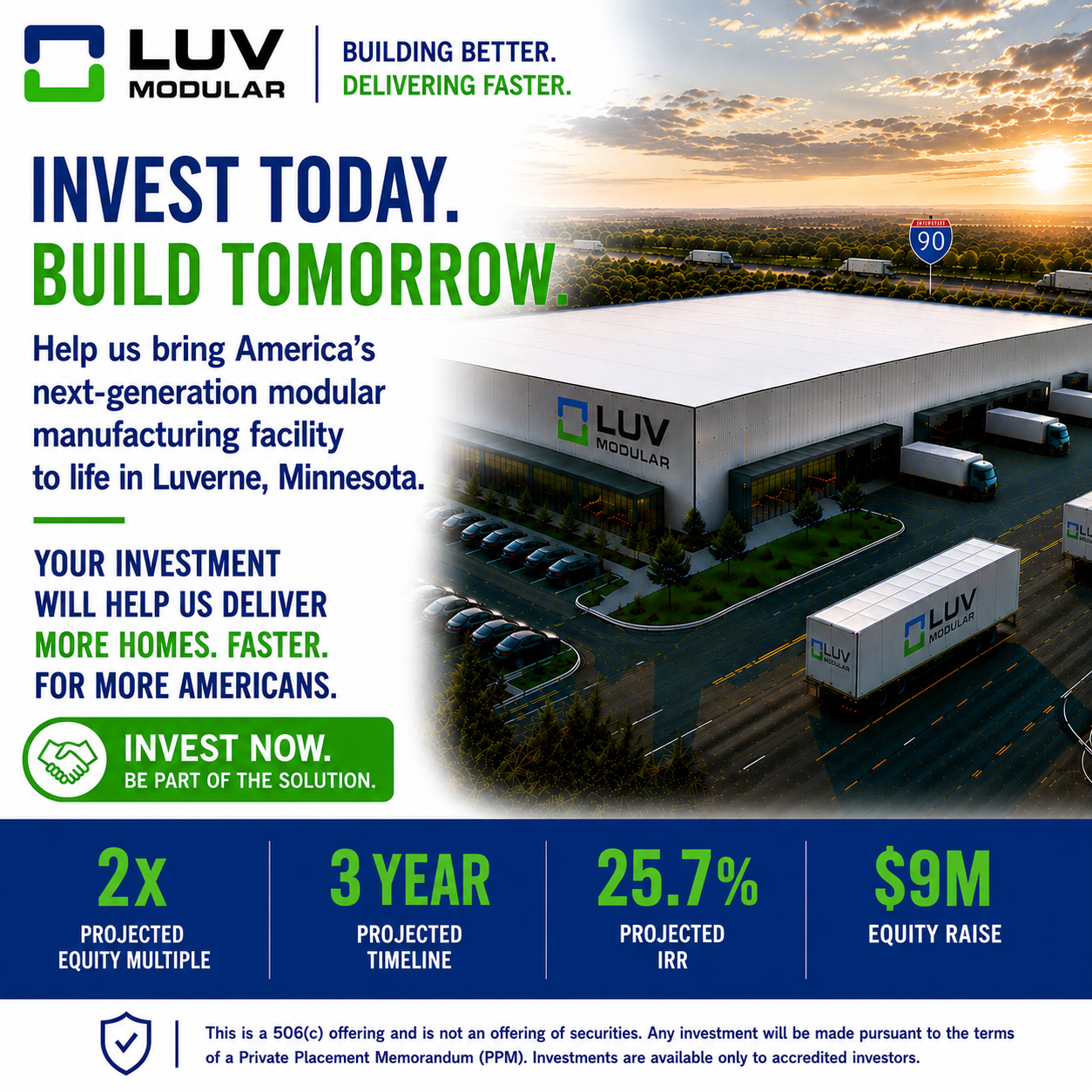
We have all noticed the number of new companies across all businesses starting funding campaigns and ramping up their efforts to entice investors to plow more and more money into them. The modular industry is no exception.
Let’s hope that what seems to be happening in the UK doesn’t come across the pond. And if it does, you need to be prepared for it by working with investors and being completely transparent with them.

Gary Fleisher is the Editor in Chief of Modular Home Source and Offsite Builder magazine. Email at [email protected]

Gary Fleisher, the Modcoach