
The number of new home builders in the U.S. is quietly aging out of the business. Anyone who’s been around construction for a few decades can see it happening in real time. Twenty years ago, if you wanted to build a new home, you typed “contractor” into Google and were greeted by a long list of bright, ambitious builders in your area—many of them small, independent operators eager to earn your trust and your business.
Then came 2008.
The housing crash didn’t just wipe out balance sheets. It wiped out confidence. Thousands of small builders closed their doors, sold off their tools, or went back to working for someone else. And a generation that might have followed them into the trades took a long look at the wreckage and decided to choose a different path.
At the same time, VoTech schools quietly changed direction. Wood shop and metal shop faded away, replaced by robotics labs and programming classes. Those are valuable skills—but they don’t teach someone how to frame a wall, read a set of plans, manage subcontractors, or shepherd a family through the emotional process of building their first home.
And yet—here’s the part that doesn’t get talked about enough—there are still plenty of people who want to build homes for a living.
They just don’t know how to get started.
The Broken Path Into Homebuilding
For decades, the path into homebuilding was fairly straightforward. You worked for a builder, learned on the job, made mistakes under someone else’s supervision, and eventually hung out your own shingle. That ladder is missing rungs now.
Today, someone with ambition but no deep construction background faces a brutal reality:
- Banks want experience.
- Clients want proof.
- Building codes are more complex than ever.
- Labor is scarce.
- Mistakes are expensive.
The dream of “I’ll just start small and figure it out” doesn’t survive first contact with modern homebuilding.
That’s where modular construction—and franchising—quietly change the equation.
A Different Way to Learn “From the Ground Up”
I’ve spent most of my career watching people succeed and fail in this industry. And I don’t say this lightly: Impresa Modular Franchising is one of the most practical on-ramps into the new home construction business I’ve seen.
Not because it’s easy.
Not because it’s cheap.
But because it’s structured.
Impresa doesn’t sell you a logo and wish you luck. They offer something far more valuable to a first-time builder: a system. From sales and estimating to design coordination, factory-built modules, code compliance, and project management, the franchise model teaches you how homes actually get built—step by step, decision by decision.
In other words, it replaces the apprenticeship model that disappeared after 2008.
Why Modular Makes the Learning Curve Manageable
Traditional site-built construction is unforgiving to beginners. Weather delays, labor no-shows, scheduling chaos, and material waste can sink a new builder fast.
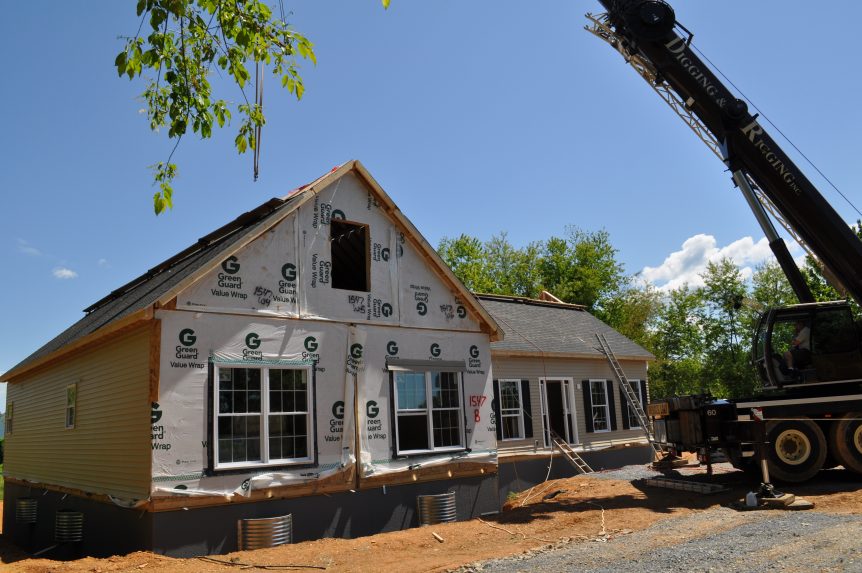
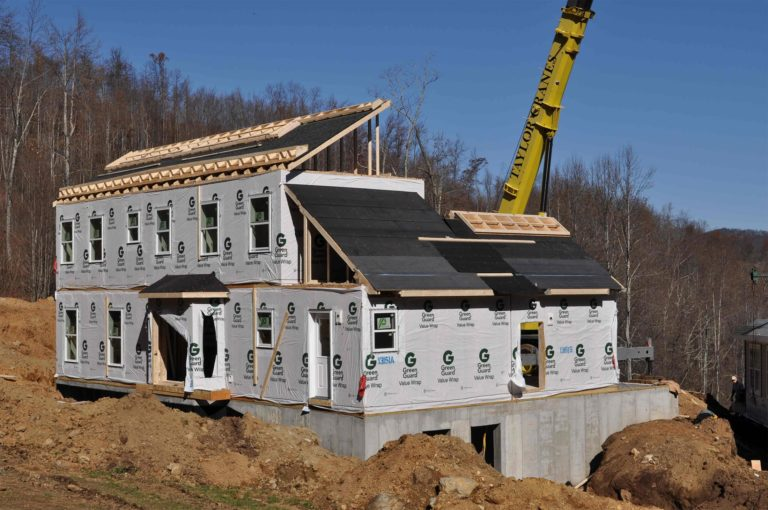
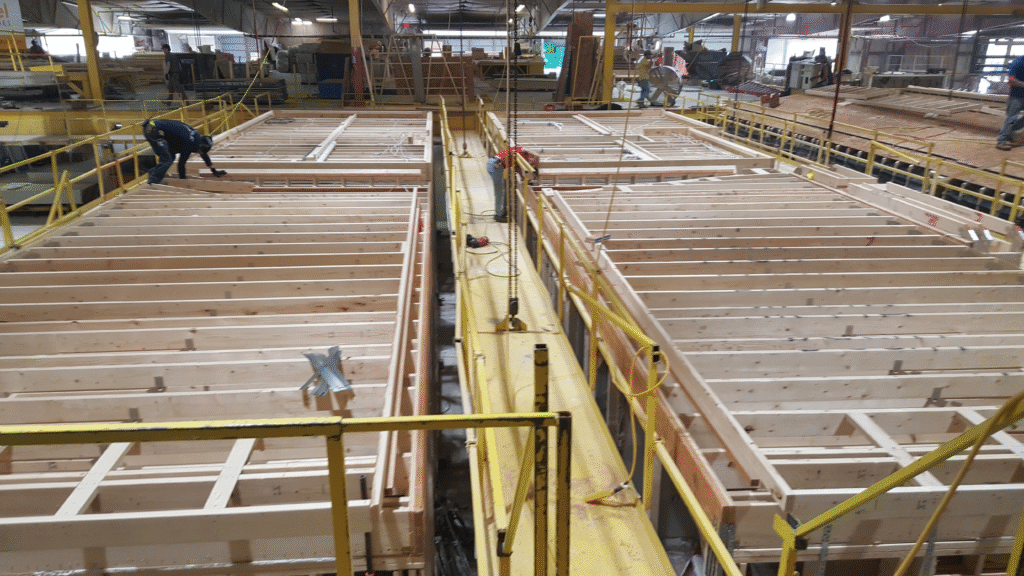
Modular construction removes many of those variables. Homes are built in climate-controlled factories, inspected repeatedly, and delivered with predictable timelines. That predictability is gold for someone learning the business.
Instead of fighting fires every day, a new builder can focus on:
- Understanding customer needs
- Managing land development and site work
- Navigating zoning and permits
- Learning sales and marketing
- Building relationships with lenders and inspectors
Those are the skills that actually make or break a homebuilding business.
Business Ownership, Not Just Construction
Another overlooked advantage of franchising is that it teaches business, not just building.
Many great craftsmen fail because they never learned cash flow management, customer communication, or risk control. Impresa’s model treats homebuilding as what it truly is: a professional service business with construction at its core.
For someone who has always wanted to build homes—but didn’t grow up swinging a hammer or didn’t survive the last downturn—this matters.
It creates confidence.
It reduces guesswork.
And it dramatically shortens the time between “I want to do this” and “I know how to do this.”
The Next Generation of Builders Won’t Look Like the Last
We’re not going back to the world of 1995. The next generation of home builders will be different—more system-oriented, more technology-aware, and more comfortable working with factories instead of fighting the weather.
That doesn’t mean the heart of the job has changed. People still want someone they trust to guide them through one of the biggest investments of their lives.
For those people who feel the pull to build homes—but don’t see a clear path—franchising through modular construction may be the most realistic “from the ground up” education left.
And in a time when experienced builders are aging out faster than new ones are stepping in, that path isn’t just helpful.
It’s necessary.
.
With more than 10,000 published articles on modular and offsite construction, Gary Fleisher remains one of the most trusted voices in the industry.
.
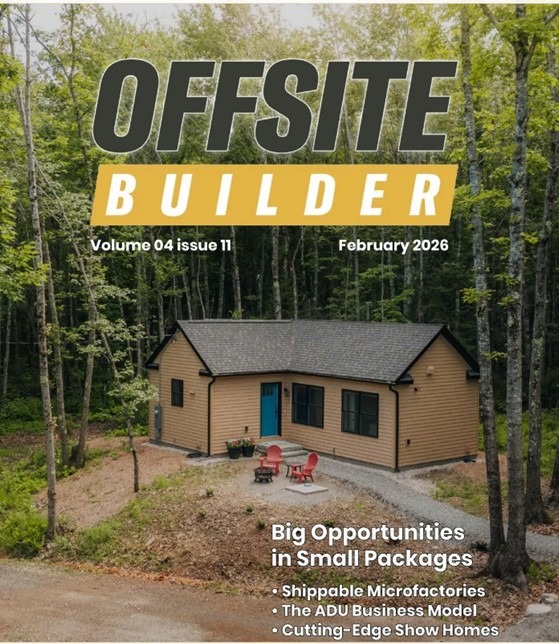
CLICK HERE to read the latest edition

Contact Gary Fleisher