





For most of its history, communities have treated manufactured housing as something they should tolerate only when it stays out of sight.
Put it in a rural area. Place it in a land-lease community. Hide it behind a berm. Just do not allow it next to conventional houses where someone might notice that a factory-built home can look remarkably similar to everything else on the street.
That attitude may finally be changing.
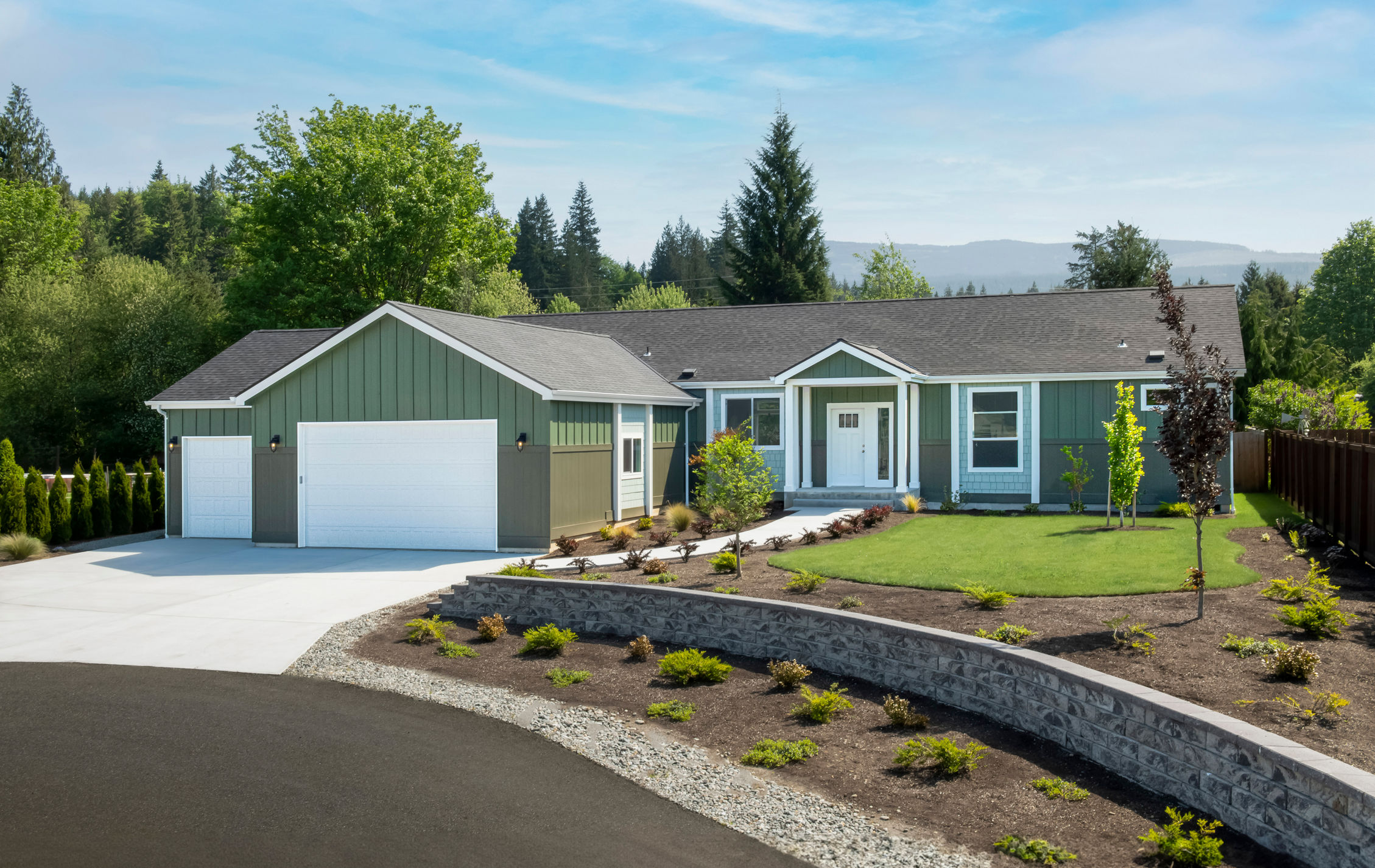
A new manufactured-housing development in Santa Rosa, California, looks much like the surrounding neighborhood. The homes have attractive siding, welcoming front porches, permanent foundations, and familiar California Craftsman styling. They also arrive from a Clayton factory in two sections and are joined on site.
Apparently, a home can be built in a factory without frightening the neighbors.
Manufactured Housing Is Entering a New Neighborhood
The Santa Rosa project, developed by Villa, is part of a small but growing effort to place manufactured homes in conventional suburban subdivisions.
Clayton reportedly has supplied more than 2,000 of its CrossMod homes to 23 subdivisions across 10 states. These homes combine the production advantages of manufactured housing with many of the features expected in traditionally built suburban homes.
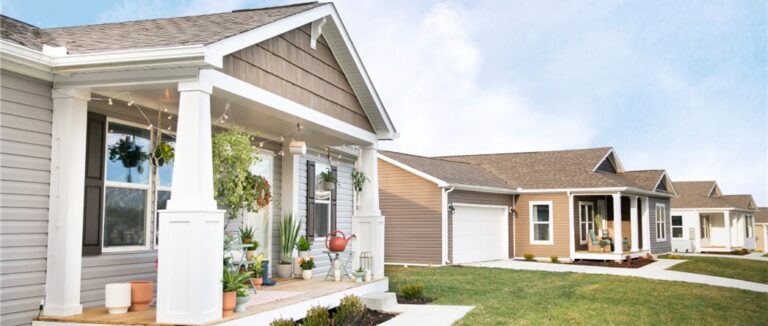
They are placed on permanent foundations, include residential architectural details and are intended to qualify for financing similar to conventional real estate.
This is not simply a new version of the manufactured-home community. It represents an attempt to make HUD-code homes part of the broader housing market.
That distinction matters.
For decades, zoning regulations, lending practices, appraisal problems, and public perception separated manufactured housing from traditional residential development. In many communities, people didn’t evaluate the product by its appearance, construction quality, or performance. Local officials and neighboring homeowners rejected it because of what they assumed it would be.
As a result, one of the country’s most efficient home-production systems was effectively prohibited from serving many of the places where affordable housing was needed most.
The Industry’s Reputation Was Not Entirely Undeserved
It would be convenient to blame the entire problem on uninformed zoning officials and stubborn homeowners. Unfortunately, that would not be completely honest.
The manufactured-housing industry helped create some of its own stigma.
Earlier generations of homes were often built and marketed primarily around the lowest possible initial price. Some communities were poorly maintained. Some homes offered limited energy efficiency, modest architectural appeal, and little resemblance to the surrounding housing.
History does not diminish today’s product. It explains why changing public perception will take more than insisting that everyone else is wrong.

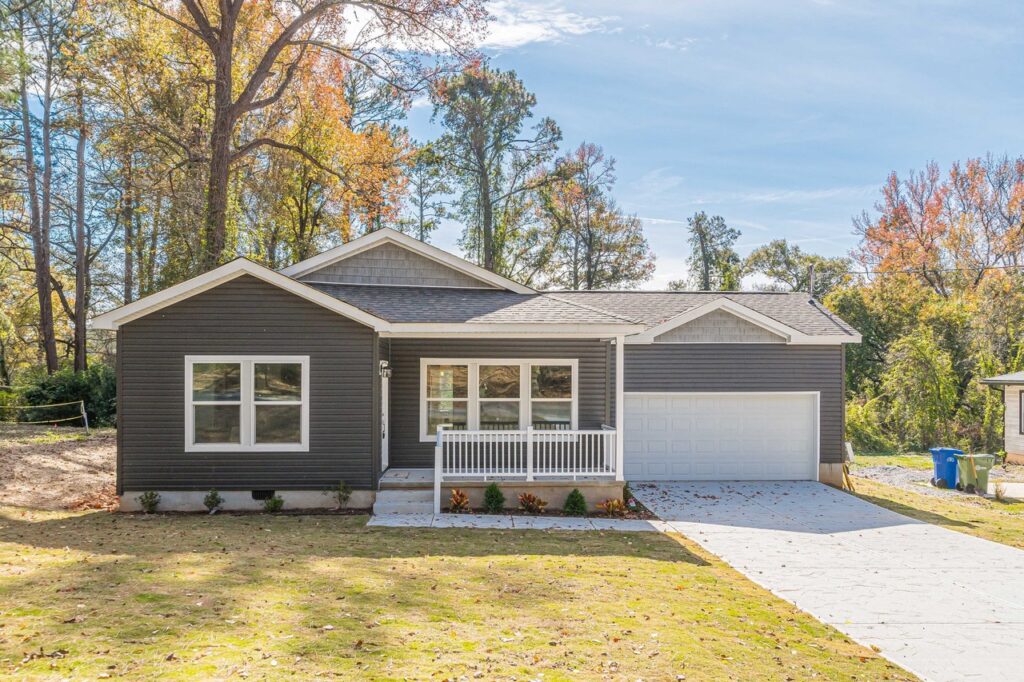
Modern manufactured homes can offer better construction, improved energy performance, residential designs, and quality-control advantages that are difficult to achieve consistently on scattered job sites. Leading manufacturers have invested heavily in product development, engineering, and appearance.
But local regulations and public attitudes have not always kept pace.
Affordability Is Forcing Communities to Reconsider
The average price of a new manufactured home remains substantially below that of a comparable site-built house. That does not mean a completed home will cost only the factory price. Buyers still need land, site preparation, utility connections, transportation, installation, foundations, permits, landscaping, and other improvements.
Those costs can be considerable.
The Santa Rosa homes are listed at more than $600,000—not exactly the price most Americans imagine when they hear “affordable manufactured housing.” However, Santa Rosa is an expensive market, and the homes are still expected to sell below the price of comparable houses nearby.
That illustrates an important point: affordability depends on the market in which a home is built.
A $600,000 house would hardly qualify as affordable in much of America. In a California community where conventional homes may cost considerably more, however, factory construction can still reduce the entry price.
Manufactured housing will not magically turn expensive land into inexpensive land. It cannot eliminate permit fees, development costs, utility expenses or local government requirements. What it can do is reduce the cost and time required to produce the house itself.
Given our present housing shortage, that should at least give it a chance to compete.
The Greatest Barriers May Not Be Inside the Factory
Developers building manufactured-home subdivisions still face zoning exclusions, restrictive design standards, financing complications, and appraisal difficulties.
Some state laws and lending practices have historically treated manufactured homes as personal property, much like automobiles, rather than as real estate. That can make mortgages harder or more expensive to obtain, particularly when the homeowner does not own the land beneath the house.
Federal and state policymakers are beginning to address some of those obstacles. Virginia and Idaho have adopted measures intended to permit factory-built homes on more residential lots, while other states are considering similar legislation.
That does not mean every manufactured home should be approved everywhere without reasonable standards. Communities have a legitimate interest in foundations, setbacks, streetscapes, drainage, safety, and long-term property maintenance.
But those rules should evaluate the home’s performance and appearance—not simply where it was assembled.
If a factory-built house meets the applicable federal standards, sits on a permanent foundation, fits the neighborhood, and performs like the homes around it, what exactly are we protecting the community from?
CrossMod Homes Could Help Bridge the Divide
CrossMod homes were created partly to overcome the separation between manufactured and site-built housing.
They combine HUD-code factory construction with features commonly associated with conventional houses, including permanent foundations, garages, porches, higher roof pitches, drywall interiors, and enhanced exterior designs.
In theory, this gives buyers a more affordable home while giving lenders, appraisers, local officials, and neighboring property owners something that looks and functions like familiar suburban housing.
The question is whether all those added requirements eventually push the price so high that much of the original factory-built advantage disappears.
There is always a danger that manufactured housing will be allowed into conventional neighborhoods only after it has been modified, upgraded and regulated until it costs nearly as much as the site-built housing it was supposed to challenge.
Making a manufactured home attractive and mortgageable is progress. Making it imitate every expensive feature of a conventional house may not be.
The Market Does Not Need Another Luxury Product
Factory construction offers the greatest potential when it produces repeatable homes efficiently, controls material waste, shortens schedules and reduces dependence on increasingly scarce jobsite labor.
Those benefits become especially valuable in the market for smaller, straightforward starter homes—a category conventional builders have largely abandoned because land, labor, regulations, and overhead make margins difficult.
Manufactured housing is one of the few systems that can produce those homes at meaningful volume.
However, its move into suburbia will succeed only if manufacturers, developers and policymakers preserve the cost advantage. If every subdivision requires a different façade, foundation, roofline, garage configuration and collection of local upgrades, the industry could find itself manufacturing custom houses under a different name.
We already know how that story ends.
Gary’s Observation

The most interesting thing about these new subdivisions is not that manufactured homes can look like site-built homes. Anyone who has visited a modern factory or toured today’s better products already knows that.
The real breakthrough is that a few communities are finally allowing them to stand beside site-built houses without treating them as a threat to civilization.
Manufactured housing should not receive a free pass on quality, design, safety, or neighborhood compatibility. But neither should it be banned because local zoning still reflects memories of homes built 40 or 50 years ago.
We say we have a housing affordability crisis, yet we continue excluding one of the only housing systems capable of producing smaller homes efficiently and at scale. Then we hold another meeting to discuss why affordable homes are not being built.
Perhaps manufactured housing isn’t moving into suburbia fast enough.
Perhaps suburbia has taken far too long to let it in.