



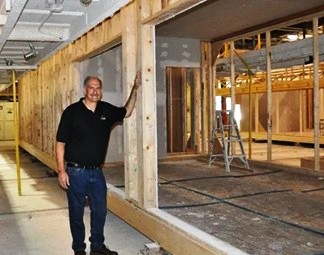
Ken Semler is one of the most recognizable and respected voices in the modular housing industry. As the owner of Impresa Modular, a national modular home building company, Ken has spent years bridging the gap between traditional onsite construction and factory-built housing. In addition to running a growing modular brand, he has served as Chair of the National Association of Home Builders’ Building Systems Council and as President of the Modular Home Builders Association—roles that put him squarely at the intersection of innovation, regulation, and real-world building practices. When Ken explains a concept, it’s not theoretical—it comes from thousands of homes and decades of hard-earned experience.
Understanding Modular “Marriage Walls”
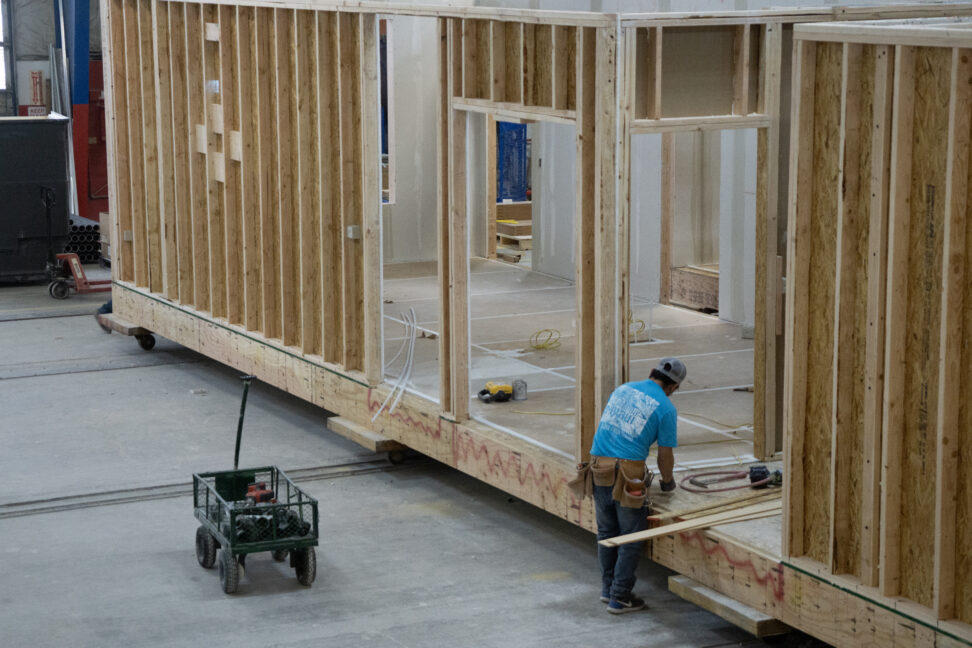
One of the terms that often stops an onsite builder in their tracks when they first explore modular construction is “marriage wall.” It’s not a phrase you’ll find on most stick-built jobsites, and that alone can make modular feel more complicated than it really is. In reality, a marriage wall is simply the structural wall where two or more modular sections are joined together on site. It’s the seam where factory-built modules meet, lock together, and become a single, unified home—both structurally and mechanically.


What makes marriage walls especially important for onsite builders to understand is that they are engineered from day one, not improvised in the field. These walls often carry significant loads, align floor and roof systems, and serve as critical chases for plumbing, electrical, and HVAC connections between modules. In a featured video, Ken Semler walks onsite builders through exactly how marriage walls work, why they’re designed the way they are, and how understanding them removes much of the mystery—and hesitation—around building modular homes.
With more than 10,000 published articles on modular and offsite construction, Gary Fleisher remains one of the most trusted voices in the industry.
.
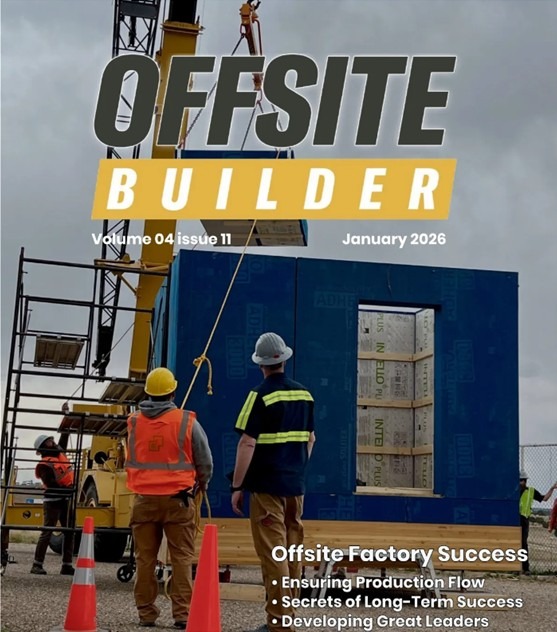
CLICK HERE to read the latest edition

Contact Gary Fleisher