



If you’ve spent any time watching the slow crawl of affordable housing solutions across the country, you know legislation rarely moves at the pace of need. But every now and then—once in a blue moon—an entire state takes a step forward that actually matters. In late 2025, Maryland did just that. With the passage of HB 1466/SB 891, the state opened its doors (and backyards) to Accessory Dwelling Units (ADUs) in every single county.
For young nurses in Frederick, aging parents in Annapolis, or middle-income renters priced out of Baltimore—the tiniest sliver of hope just became real. But like everything in housing, don’t cue the marching band just yet. Maryland may allow ADUs statewide, but turning that permission into a legally permitted guest house, rental, or multigenerational solution still requires navigating a maze. The devil, as always, is in the zoning.
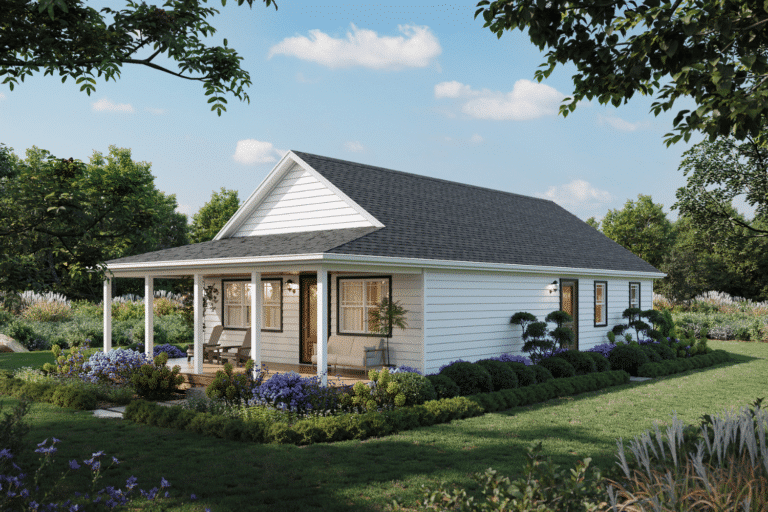
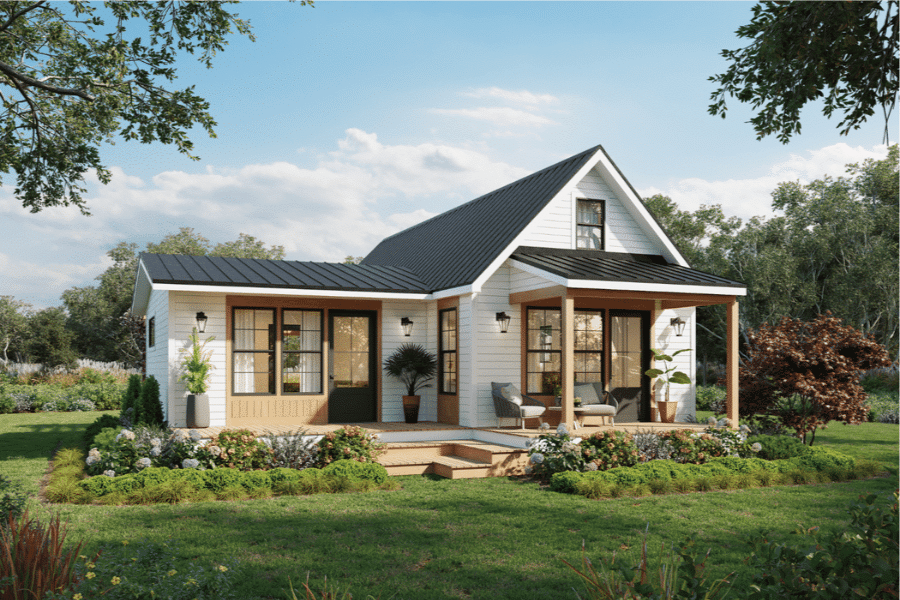
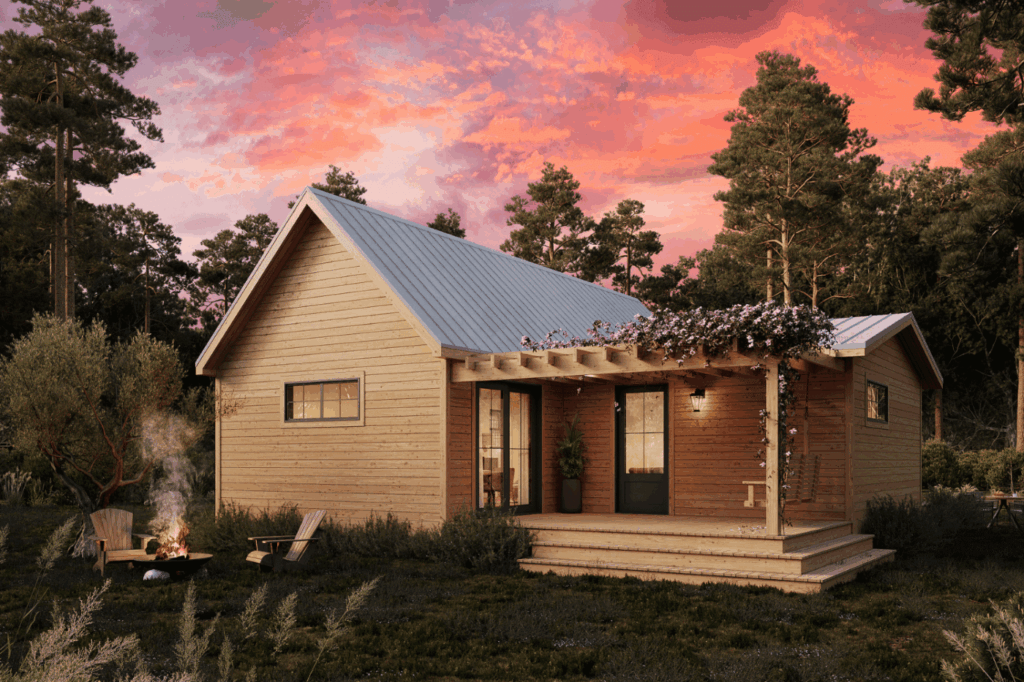
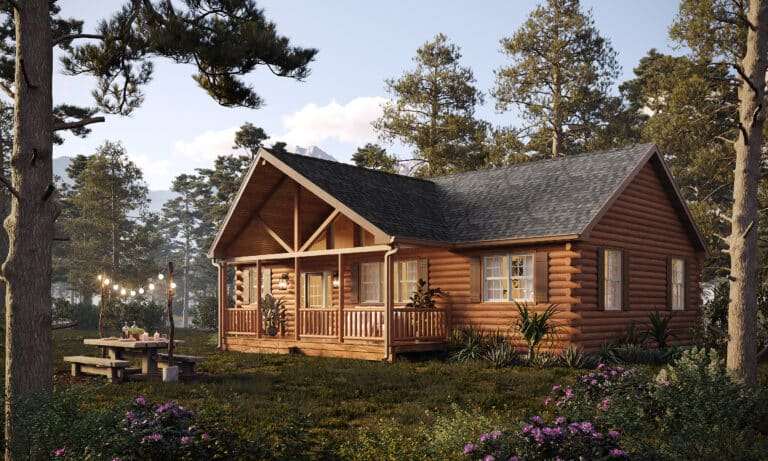
all photos – Zook Cabins
Maryland’s Big Change: ADUs Everywhere—On Paper
For years, ADUs were treated as a “maybe”—allowed in Montgomery County, debated in Howard County, ignored in others. Now, they’re a statewide priority. Under Maryland’s 2025 legislation, every jurisdiction with planning authority must adopt local ADU laws by October 1, 2026.
In simple terms: no more counties choosing to simply pretend ADUs don’t exist. Whether you’re rural Worcester County or downtown Baltimore City, homeowners now have the right to ask—and local officials must have an answer.
But before homeowners start sketching floorplans on the back of napkins, here’s the catch: state law says ADUs must be allowed, but it doesn’t standardize how. That means, depending on where you live, you might need off-street parking, you might face size limits, and you may encounter 18-page permit requirements that make you rethink the whole project.
Uniform? Not quite. Better than before? Absolutely.
The Maryland Twist: Park Models… But Only the Right Kind
Buried within the enthusiasm around ADUs in Maryland is a quiet detail the offsite construction industry should not overlook: Park Models are now part of the conversation—but only the IRC-compliant kind.
Traditional Park Models—the ones you see parked at campgrounds, rolled into lake communities, or marketed as “tiny homes” on wheels—are built to RV standards. That makes them a product of the open road, not the International Residential Code. In most Maryland counties, that kind of unit won’t even make it through the front door of zoning approval. Wheels are a red flag. RV tags are a disqualifier.

But modular park-model-style units—designed to look like a Park Model, even sized like one—but engineered and built to IRC standards? That’s a whole new game. Those can sit on a permanent foundation, plug into state-required utilities, and qualify as real housing under Maryland’s new law. That small technical distinction is about to create a major market shift.
If you’re a factory, a dealer, or a builder: this is the moment where you decide whether you want to belong to the future or stay parked at the campground.
The Market Ripple: What This Means for Builders, Factories, and Homeowners
For homeowners, this is a miracle disguised as paperwork. The ability to create a backyard rental unit, add space for aging parents, or finally offer a place for adult children to return home—without needing a second mortgage—changes lives.
For offsite construction companies, this is a once-in-a-generation opportunity. Maryland is not California or Oregon. It doesn’t have a deep pipeline of ADU-focused factories. That means early players who understand both zoning and code—not just price—will win.
Builders who were once too timid to even mention modular to customers now have a reason to learn the vocabulary. Counties that spent years ignoring ADUs now must actually answer questions. And if you’re a modular factory capable of producing small-format IRC-compliant homes, Maryland just opened a door where demand arrives before supply.
The question now becomes: Who steps in first? A Maryland-based modular startup? A Pennsylvania producer looking south? Or a national brand finally discovering the Mid-Atlantic?
A Word of Caution: Your ADU Dreams Still Need Homework
Before anyone goes running to buy an ADU brochure and start measuring backyards, Maryland has one more twist. Even though the state says “Yes, ADUs are allowed,” the homeowner must still:
Check local zoning.
Navigate permits.
Verify foundation requirements.
Choose a unit built to residential code.
And most importantly—don’t let someone sell you an RV-certified Park Model and tell you it’s a house. If it sits on wheels and carries a VIN, Maryland says it can vacation here—but it can’t move into your backyard.
My Final Thoughts
Maryland’s ADU legislation is a step—maybe even a bold step—toward fixing a housing crisis most people still won’t acknowledge at dinner tables. It won’t solve affordability overnight. It won’t fix wages or land costs. But it gives homeowners something they haven’t had in a long time: the ability to choose.
ADUs represent more than a structure. They are independence. Aging-in-place. A lifeline to young families. A rental income stream. A “yes” where there used to be a dozen bureaucratic “no’s.”
And now, Maryland joins the states willing to say it.
The question is: Who in the offsite world is willing to build it?
.
With more than 10,000 published articles on modular and offsite construction, Gary Fleisher remains one of the most trusted voices in the industry.
.

CLICK HERE to read the latest edition

Contact Gary Fleisher