


By Gary Fleisher
The modular home industry stands ready for a technological revolution, with automation poised to redefine manufacturing processes. However, transitioning from traditional methods to a more automated approach is rife with challenges. Here are the three primary obstacles that manufacturers face when integrating automation into existing modular home factories.
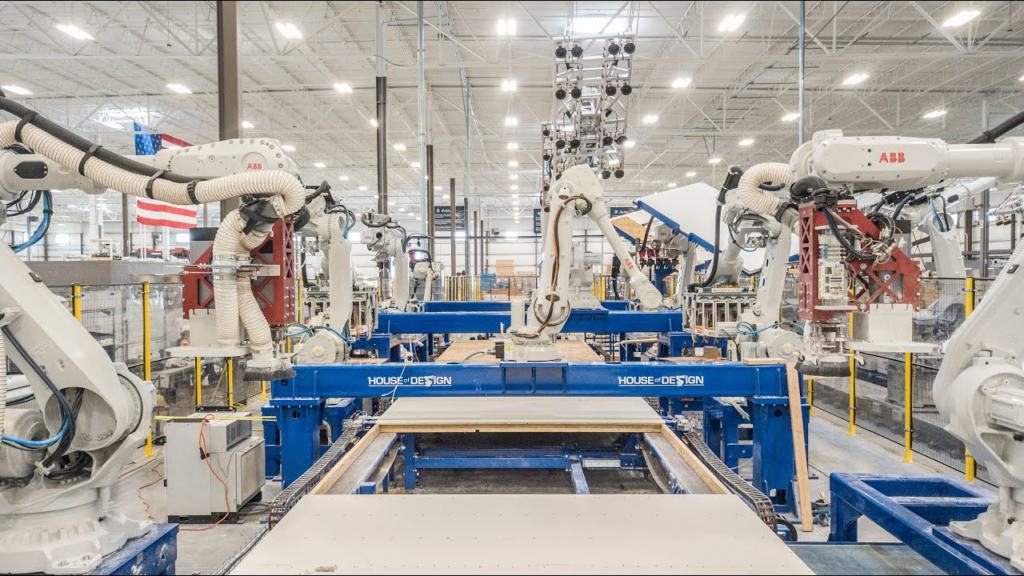
Photo- House of Design
Integration with Existing Systems: A Complex Puzzle
Think about trying to get your old VCR to work with your brand-new smart TV. Tough, right? That’s what these modular home factories are dealing with. They’ve got all this old-school stuff that wasn’t made to shake hands with the new, fancy robots and machines. It’s not just about plugging in a new gadget; it’s like redoing the whole kitchen because you bought a fancy new fridge. And let’s not forget, time is money. Every minute they’re tinkering with this, they’re not making houses.
The foremost challenge lies in seamlessly integrating new automation technologies into existing manufacturing systems. Often, the legacy infrastructure in modular home factories isn’t designed with automation in mind. This mismatch necessitates not just simple tweaks but extensive modifications, or in some cases, a complete overhaul of the manufacturing line.
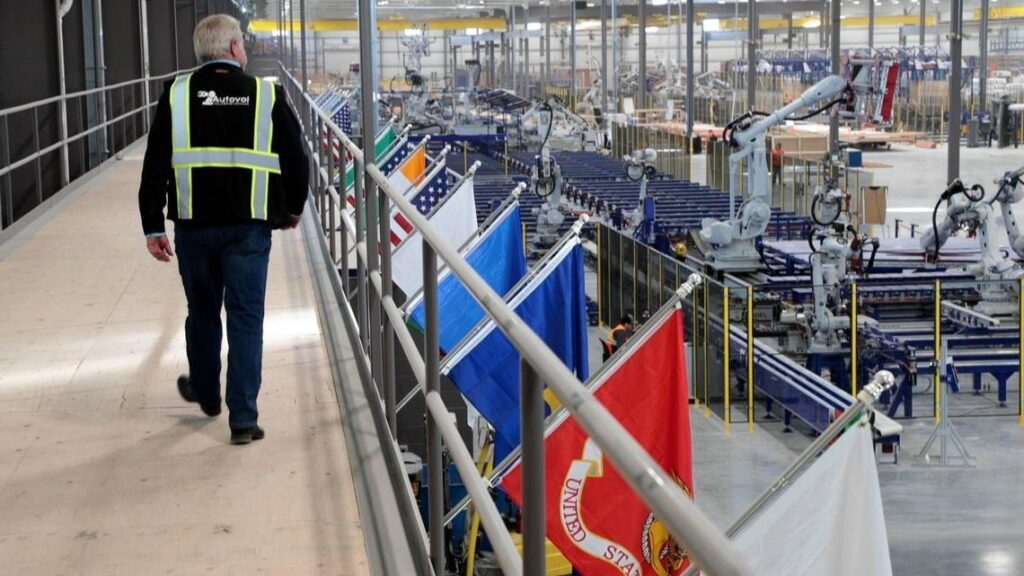
Photo- Autovol
The integration process is akin to conducting a complex orchestra where each piece of equipment must be in perfect harmony with the automation technology. This task involves significant downtime, which can disrupt production schedules. Moreover, the financial implications are substantial, encompassing the cost of new technology, retrofitting existing equipment, and possible construction modifications to accommodate new systems.
The role of specialized expertise is crucial here. Manufacturers need experts who not only understand the intricacies of automation but also possess a deep knowledge of the existing manufacturing processes. This expertise ensures that the integration enhances efficiency rather than creating new bottlenecks.
The High Cost of Implementation: A Daunting Investment
Getting into automation is like buying a sports car when you’ve only ever driven beat-up sedans. It’s flashy, fast, and oh boy, it’s expensive. But it’s not just the sticker price. You’ve got to learn how to drive it, maintain it, and heck, maybe even build a new garage for it. For the smaller guys in the business, this is a huge mountain to climb. They’re looking at their wallets and scratching their heads, wondering how they’re going to keep up with the big dogs.
A major deterrent in the path of automation is the cost involved. Automation technology, with its advanced machinery and sophisticated software, comes with a hefty price tag. However, the expenses extend beyond just the initial purchase.

There are hidden costs that manufacturers often overlook. Training staff to operate and maintain new automated systems is a significant expense. The adaptation of factory infrastructure to accommodate new machinery can also be costly. Moreover, the journey of automation doesn’t end with installation. Ongoing maintenance, software updates, and potential future upgrades add to the total cost of ownership.
For smaller modular home factories, these costs can be particularly daunting. The scale of investment required may exceed the financial capabilities of smaller enterprises, leading to a widening technology gap in the industry.
The Skilled Labor Conundrum: Training and Resistance
So, you’ve got these new robots and machines coming into the factory. But who’s going to run them? You need people who know about robotics and tech stuff, which isn’t exactly what the current workforce is trained in. Upskilling them takes time and money, and let’s face it, not everyone’s thrilled about learning to dance with robots. Some of the crew are worried they’ll be replaced by these machines, and that’s a whole other can of worms.
Automating a manufacturing line is not just about installing machines; it’s about people. The transition to automation necessitates a workforce skilled in robotics, software, and automated systems management. However, there’s a notable gap in the availability of such skilled labor. Finding and retaining talent in these specialized areas is a challenge that manufacturers must face.

Training existing staff is an option, but it’s neither quick nor inexpensive. It involves a significant time investment and can be a logistical challenge, especially if it requires operational downtime.
Furthermore, there’s the human aspect of automation – the resistance from existing employees. Workers often fear that automation may lead to job losses or drastic changes in their roles. Addressing these concerns through transparent communication and involving employees in the transition process can mitigate resistance.
A Strategic Path Forward
In a nutshell, jumping onto the automation bandwagon isn’t a walk in the park. It’s a big deal with lots of moving parts – literally and figuratively. But, if these modular home manufacturers can figure out how to balance the tech, the costs, and the human factor, they’re looking at a future that’s efficient, quality-driven, and full of potential.
It’s like gearing up for a marathon – tough training, but worth it at the finish line.
.

CLICK HERE TO READ THE JANUARY ISSUE
.