







The modular home industry has come a long way, but many of the factories that started it all are beginning to show their age. While we’ve seen some amazing technological advancements, the physical structures of these older factories face some serious challenges. Two big culprits here are fatigue and creep, which can cause unexpected and costly damage if left unchecked.
What Are Fatigue and Creep?
Fatigue happens when materials get damaged over time because they’re constantly being stressed, even if the stress is below their breaking point. Think of it like bending a paperclip back and forth until it snaps. This kind of wear and tear can lead to cracks and fractures that often appear out of nowhere, causing sudden failures.
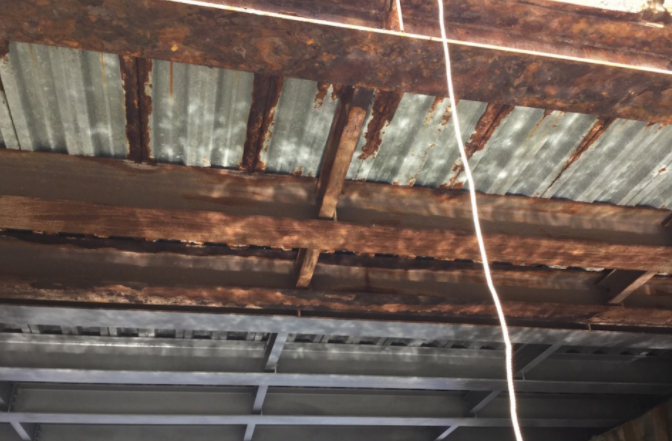
.
Creep, on the other hand, is a bit different. It’s the slow, permanent change that happens to materials under a constant load over a long period. Imagine a heavy bookshelf that starts to sag over the years. This happens because the material is being stretched beyond its elastic limit, causing it to deform gradually, especially when exposed to heat and pressure.
Why Should Modular Home Factories Care?

In modular home factories, various parts and structures are constantly stressed. Over time, this can lead to fatigue and creep in important areas. For instance, the machines on the production line and the building’s framework can both suffer from these effects.
Fatigue in Machinery and Equipment
The repetitive motions and stresses in production machinery can cause fatigue. Welded joints, bolts, and other fasteners are particularly at risk. As these components weaken, the chance of sudden equipment breakdowns increases, leading to production stoppages and safety hazards.
Creep in Building Structures
Creep is a major concern for the structural integrity of factory buildings, especially those made from materials like steel and concrete. Constant stress from loads, along with the effects of time and temperature changes, can cause beams, columns, and floors to deform. This not only compromises the building’s strength but also affects the alignment and operation of machinery inside.
What Can Be Done?
To tackle the risks of fatigue and creep, modular home factories need to step up their maintenance and monitoring game. Regular inspections, non-destructive testing, and predictive maintenance can help catch early signs of fatigue and creep. Upgrading to better materials and technologies that resist these issues can also help prolong the life of factory infrastructure.
Innovation to the Rescue
New materials and engineering advancements offer promising solutions. High-tech composites, stronger alloys, and smart materials that can self-repair are reducing the impact of fatigue and creep. Additionally, using real-time monitoring systems with IoT and AI can provide continuous insights into the health of factory components, allowing for proactive maintenance and timely fixes.
As the modular construction industry moves forward, addressing the challenges of fatigue and creep in aging factories is crucial. By understanding these issues and adopting advanced maintenance and material strategies, factories can ensure their longevity and continue to thrive. Embracing innovation and proactive measures will turn these hidden dangers into manageable risks, securing a bright future for the modular housing sector.
.

CLICK HERE to read the latest edition

Contact Gary Fleisher