





Management teams in offsite factories may be small, but the personalities are anything but! No matter where you go, there’s a cast of characters that seem to pop up in every factory office. Here’s a deeper dive into the ten personality types you’ll likely find—and how to deal with them without losing your cool (or your coffee).

1. “Bossman” Bill
Pros: Bill is the leader who’s always got the answers. He’s confident, decisive, and knows how to keep everyone in line. Bill’s the guy who handles pressure with a cool head, making sure the factory runs like a well-oiled machine. He’s the one who stands in front of the team during a crisis and says, “We’ve got this.” Bill is clear, authoritative, and efficient when it comes to decision-making.
Cons: Bill’s confidence sometimes borders on arrogance. He often takes charge without listening to others, assuming his way is the best (and only) way. His tendency to micromanage can stifle creativity and make team members hesitant to voice their ideas. If you’ve got a different perspective, you might have to shout over Bill’s commanding voice to be heard.
Survival Tip: When dealing with Bill, it’s best to choose your battles wisely. If you need to present an idea, frame it as a supportive addition to his leadership, not a challenge. Use phrases like “I know you’ve thought about this, but what if we consider…” to gently steer him without setting off his defensiveness. And when he starts on his “We’re doing it my way” spiel, smile and nod—you’ll get more traction with a strategic retreat than a direct confrontation.

2. “Comedian” Carl
Pros: Carl’s sense of humor is his superpower. When tensions rise or stress levels spike, Carl is the one cracking jokes, lightening the mood, and making sure nobody takes things too seriously. His positive energy can turn even the worst days around, and his ability to make everyone laugh builds team camaraderie. Carl’s like the human version of a stress ball—just less squishy and with more puns.
Cons: Carl doesn’t always know when to quit. His jokes can interrupt serious discussions, derail meetings, or make situations feel trivial when they’re not. Sometimes, you need people focused on the task at hand, but Carl’s busy turning it into a stand-up routine. And let’s be honest—no matter how funny he is, everyone gets tired of hearing the same punchlines over and over again.
Survival Tip: When Carl’s humor is well-timed, roll with it—it’s good for morale. But when you need him to focus, distract him with his own game. Throw in a dad joke or a pun, then steer the conversation back to the issue at hand. This tactic not only short-circuits his comedy routine but also signals that you’re not entirely humorless (even if you’d prefer to stay on topic).
3. “Sourpuss” Sam
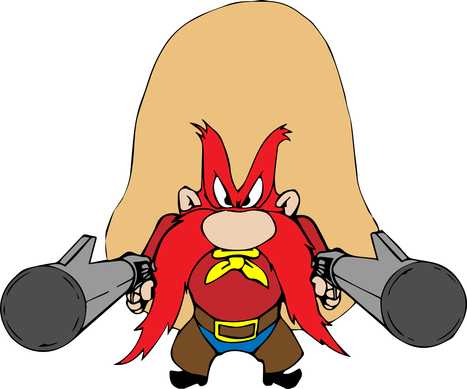
Pros: Every team needs a realist, and Sam’s got that covered. He’s the one who’s seen enough things go wrong to anticipate problems before they happen. Sam’s cautious approach means he’s prepared for the worst, and his skepticism often uncovers blind spots others overlook. He’s the team’s unofficial risk manager, constantly asking, “What could go wrong?” before anyone else even considers it.
Cons: Unfortunately, Sam’s default mode is set to ‘negative.’ If there’s a bright side, Sam hasn’t seen it since 1985. His constant pessimism can wear down the team’s energy, making even minor setbacks feel like doomsday scenarios. When Sam talks, it’s like hearing a forecast that only predicts rain—he’s quick to dismiss positive developments with a cynical remark and loves to point out what’s bound to fail.
Survival Tip: The trick with Sam is acknowledging his concerns while not getting dragged into his gloomy outlook. Start by validating his worries—“Good point, Sam, that could be an issue”—then quickly pivot to a solution or a positive spin. Sam thrives when he feels heard, so humor his grumbling, then gently guide the conversation back to finding ways to move forward.

4. “Happy” Helen
Pros: Helen is the human embodiment of sunshine. She’s the eternal optimist who believes every cloud has a silver lining, and she’s always ready with a pep talk. Helen’s energy is infectious, lifting spirits and encouraging the team to stay positive, even in the face of challenges. When the going gets tough, Helen’s the one cheering everyone on and saying, “We’ve got this!”
Cons: Helen’s boundless positivity can sometimes feel disconnected from reality. When a project is behind schedule and resources are running thin, Helen’s unyielding optimism can come off as oblivious or overly simplistic. Her “everything’s great” attitude can make it hard to discuss real issues, and it can be frustrating when you need someone to acknowledge that, sometimes, things aren’t fine.
Survival Tip: Let Helen’s good vibes lift you up on rough days, but when you need to discuss real problems, gently redirect her enthusiasm toward solutions. Phrases like, “I love your energy, Helen—let’s channel that into tackling this issue head-on” can strike the right balance between embracing her positivity and keeping things realistic.

5. “Grumpy” George
Pros: George may not be the friendliest face in the factory, but he’s got a wealth of experience. George’s gruff exterior hides a sharp mind that’s seen it all and knows how to keep things running smoothly. He’s brutally honest, doesn’t sugarcoat anything, and always gets straight to the point. If you want a clear, unfiltered opinion or need someone who can spot inefficiencies from a mile away, George is your guy.
Cons: George is perpetually annoyed—at the noise, the meetings, the traffic, life in general. He’s not one for small talk, hates change, and will let you know exactly what he thinks—often in the bluntest way possible. His grumpiness can create a tense atmosphere, making it hard for others to approach him with new ideas or challenges.
Survival Tip: Approach George with respect and a clear plan. He values straightforwardness and competence, so don’t waste his time with fluff. When you need his input, go in prepared and get straight to the point. And whatever you do, don’t try to cheer him up—it’ll only make him grumpier. Instead, show appreciation for his expertise by acknowledging his insights, even if they’re delivered with a scowl.

6. “Light at the End of the Tunnel” Larry
Pros: Larry’s optimism is backed by vision. He’s the big-picture thinker who always sees the future as bright, regardless of the present challenges. Larry is the guy who motivates the team with inspiring talks about the factory’s growth, the potential of new technology, and how everyone’s hard work will eventually pay off. He’s great at rallying the troops and keeping morale high with his forward-looking perspective.
Cons: Larry’s vision can sometimes be more dream than reality. His belief in the “light at the end of the tunnel” can lead to unrealistic goals, over-committed timelines, and promises that can be hard to keep. He tends to overlook immediate obstacles in favor of his long-term plans, which can leave the team feeling like they’re chasing a mirage instead of focusing on tangible results.
Survival Tip: Larry thrives on enthusiasm, so feed into that when you can, but don’t be afraid to inject some practicality into the conversation. Ground his lofty goals with actionable steps and realistic timelines. Remind him gently that while the future looks bright, there are still a few bumps on the current road that need navigating.
7. “Doomsday” Doris
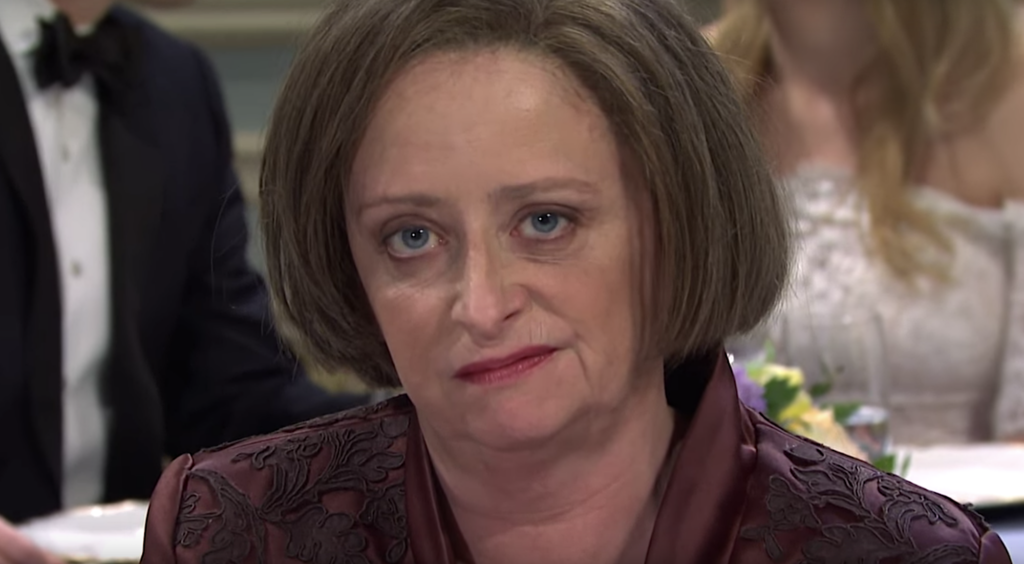
Pros: Doris is the queen of contingency plans. While others are dreaming big, Doris is making sure the backup generator works, the emergency procedures are in place, and everyone knows what to do if things go wrong. She’s meticulous about planning for the worst-case scenario, which means the team is rarely caught off guard when challenges arise.
Cons: Doris’ obsession with disaster scenarios can create a heavy atmosphere. She’s constantly predicting doom and gloom, and it’s hard for her to see anything as “safe” or “certain.” While her attention to detail is valuable, her tendency to focus on potential pitfalls can stifle creativity and make every new idea feel like it’s one step away from catastrophe.
Survival Tip: With Doris, it’s important to balance her concerns with a focus on solutions. Acknowledge her foresight by saying, “Great catch, Doris—let’s plan for that,” then shift the conversation toward mitigating risks in a proactive, positive way. Offer her a role in preparing for potential challenges—she’ll be in her element, and it’ll help her feel secure without derailing everyone else’s enthusiasm.
8. “Out to Lunch” Oscar
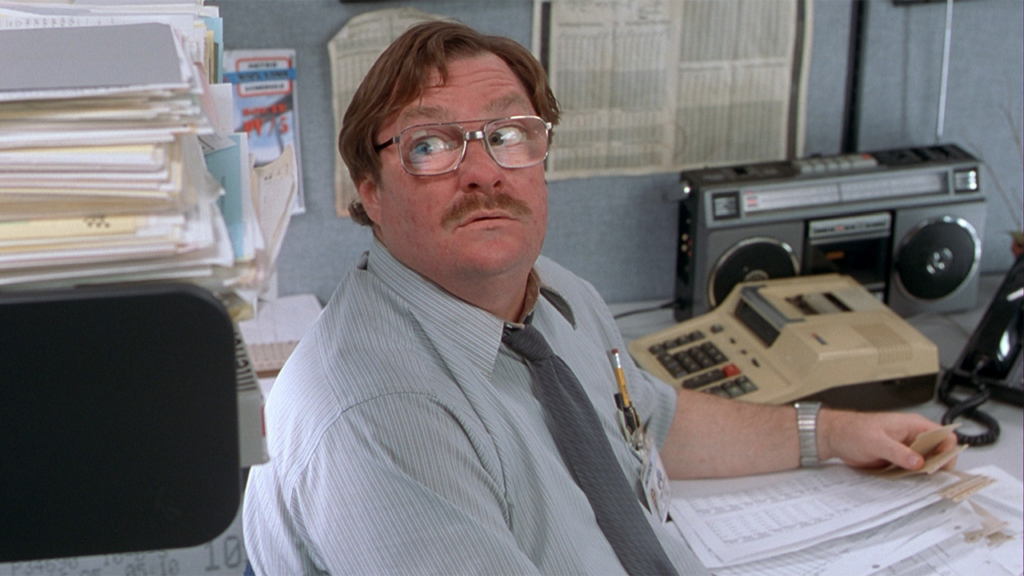
Pros: Oscar is chill. He’s unflappable, never stressed, and approaches everything with an easygoing attitude. Oscar’s relaxed demeanor is refreshing when things get tense, and his ability to keep a cool head under pressure can be reassuring for the team. He’s the guy who reminds everyone to take a breath and keep things in perspective.
Cons: The downside to Oscar’s laid-back style is that it can border on apathy. He’s often distracted, absent-minded, and hard to pin down when you need something done. Deadlines don’t seem to bother him, and meetings with him can feel like pulling teeth because his attention is elsewhere—usually daydreaming about his next fishing trip or wondering what’s for lunch.
Survival Tip: When working with Oscar, keep communication simple and to the point. He responds best to clear, direct instructions and frequent reminders. Calendar invites, follow-up emails, and a bit of good-natured nudging are your best tools. And if you really need him to focus, offer to discuss things over lunch—it’s the one thing guaranteed to grab his attention.

9. “Karen” Karen
Pros: Karen is the keeper of the rulebook. She’s the one who ensures everything runs by the book, knows all the policies inside out, and makes sure compliance is never an issue. If there’s a process, she’s on it. If there’s a regulation to follow, she’s memorized it. Karen’s attention to detail keeps the factory on track and out of trouble.
Cons: Karen’s dedication to the rules can make her rigid and inflexible. She’s quick to point out any deviations and doesn’t hesitate to escalate issues if she feels standards aren’t being met. Her nitpicking can slow things down, and she’s not shy about voicing her displeasure when things don’t go exactly as planned—often loudly and repeatedly.
Survival Tip: With Karen, it’s all about preparation. Approach her with everything in order and anticipate her questions. If you need to bend a rule, have a well-thought-out justification ready. And if you can find a way to align your request with her love for procedure—like saying, “I know this isn’t the usual process, but I think it’ll save us time in the long run”—you’ll have a better chance of getting her on board.

10. “Perfection” Pete
Pros: Pete’s dedication to quality is unmatched. He’s the guy who insists on doing it right the first time, even if it takes longer. Pete’s meticulous attention to detail ensures that every aspect of a project meets the highest standards. He’s your go-to when precision is non-negotiable, and his commitment to excellence often raises the bar for everyone around him.
Cons: Pete’s pursuit of perfection can lead to paralysis by analysis. He’s so focused on getting every detail just right that it can slow down progress. He’s the type to rework a process multiple times, striving for that elusive “perfect” outcome, which can cause delays and frustrate those who just want to get things done.
Survival Tip: With Pete, it’s important to recognize his drive for excellence while helping him know when “good enough” is indeed good enough. Compliment his thoroughness and suggest setting limits, like “Let’s aim for 90% perfection by the deadline.” He’ll appreciate the structure and still feel like he’s maintaining high standards without getting lost in the weeds.
Modcoach Note
Navigating these personalities in offsite factory management requires a mix of patience, humor, and strategy. Whether you’re facing “Bossman” Bill’s authoritarian streak, “Karen” Karen’s rigidity, or “Happy” Helen’s endless positivity, knowing how to interact with each of these characters can make your work life a lot smoother. Embrace the quirks, find the humor in the challenges, and remember—you’re not alone in dealing with this cast of characters!
.

CLICK HERE to read the latest edition

Contact Gary Fleisher