




Accessory Dwelling Units—better known today as ADUs—have quietly moved from the fringes of housing policy into the center of the national affordability conversation. Once dismissed as “granny flats” or garage apartments, ADUs are now viewed by planners, homeowners, and builders as one of the most practical tools available to increase housing supply without dramatically reshaping neighborhoods.
What makes ADUs particularly compelling is their flexibility. They are small by design, adaptable by nature, and capable of serving multiple roles over their lifetime. For cities struggling with housing shortages and homeowners looking for financial or lifestyle options, ADUs have become one of the most talked-about housing solutions of the last decade.
What Exactly Is an ADU?
An Accessory Dwelling Unit is a fully independent living space located on the same lot as a primary single-family home. It includes its own kitchen, bathroom, sleeping area, and private entrance, making it a complete residence rather than a simple addition or guest room.
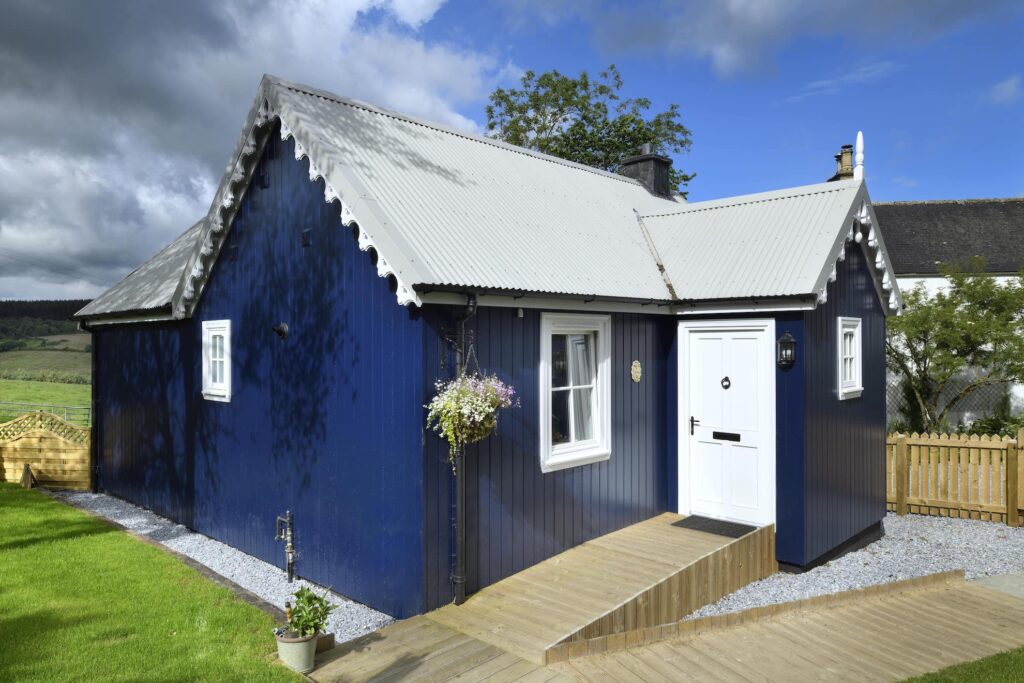
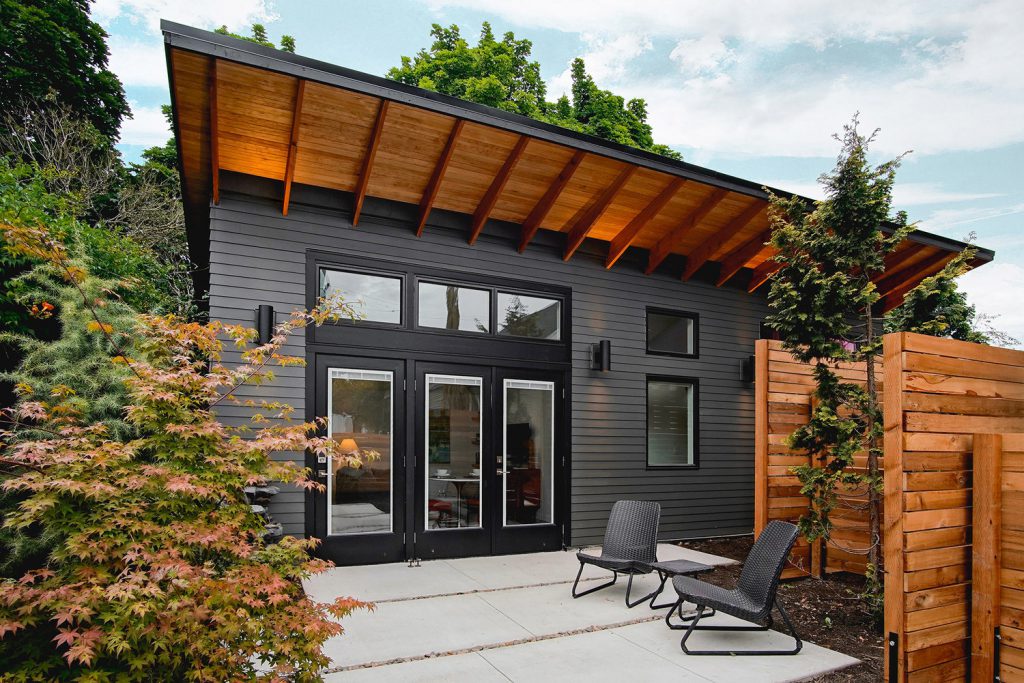
ADUs can take many physical forms. Some are detached backyard cottages, while others are created by converting garages, basements, or attic spaces. In some cases, they are built as additions connected to the main house. Regardless of the form, the defining feature of an ADU is its independence—it functions as a true home within a home.
The Top Cities Leading the ADU Movement
While ADUs are appearing nationwide, certain cities have emerged as clear leaders due to policy reforms, housing pressure, and political will.
Los Angeles has become one of the most active ADU markets in the country, largely due to statewide legislation that removed long-standing barriers such as minimum lot sizes and excessive parking requirements. Thousands of permits are issued each year, turning backyards into viable housing opportunities.
Portland was an early adopter, quietly rewriting zoning rules years ago and normalizing backyard housing long before it became a national trend. Its success has often been used as a blueprint for other cities.
Seattle has leaned heavily into ADUs as part of its broader housing and density strategy. By easing owner-occupancy rules and allowing multiple ADUs on a single lot, the city has accelerated adoption while maintaining neighborhood character.
Durham represents a growing Southern embrace of ADUs, driven by university-related housing demand and a progressive approach to zoning reform.
Gainesville rounds out the list as a college town facing increasing rental pressure, where ADUs offer a relatively affordable way to expand housing without large-scale development.
Together, these cities demonstrate that ADUs are not a regional experiment but a national housing strategy.
Why ADUs Are Gaining Momentum
The growing popularity of ADUs is not accidental. It is the result of several converging pressures that are reshaping how Americans think about housing.

Housing affordability remains the primary driver. As home prices and rents continue to outpace wage growth, ADUs provide smaller, more attainable housing options that fit within existing neighborhoods.
At the same time, changing family dynamics are playing a role. Multigenerational living is no longer an exception but a necessity for many families. ADUs allow aging parents, adult children, or caregivers to live close by without sacrificing privacy or independence.
Financial stability is another major motivator. For homeowners, an ADU can generate steady rental income that helps offset mortgage payments, fund retirement, or provide a buffer during economic uncertainty.
Policy shifts have also been critical. States and municipalities are increasingly recognizing that ADUs offer “gentle density”—additional housing without high-rise buildings or sprawling subdivisions. Streamlined permitting, reduced fees, and relaxed zoning rules have made ADUs easier to build than ever before.
Finally, sustainability concerns have pushed ADUs into the spotlight. Building housing within existing infrastructure reduces land consumption, limits sprawl, and makes more efficient use of utilities and transportation networks.
The Five Biggest Benefits of Building an ADU
For homeowners, the benefits of ADUs go far beyond adding square footage.
Rental income is often the most immediate advantage. A well-designed ADU can produce reliable monthly cash flow, helping homeowners manage rising costs or build long-term financial security.
Property values tend to increase as well. Homes with ADUs are increasingly attractive to buyers who see flexibility and income potential rather than complexity.
ADUs also support family living arrangements that would otherwise be difficult or impossible. Whether housing an aging parent, a returning college graduate, or a caregiver, ADUs offer proximity without overcrowding.
Flexibility is another underappreciated benefit. An ADU might start as a rental, transition into a home office or guest suite, and later become housing for a family member. Few home investments offer that level of adaptability.
Finally, ADUs contribute to broader housing supply goals. Each unit added may seem small, but collectively they represent thousands of new homes created without massive development projects.
The Community-Wide Impact of ADUs
Beyond individual homeowners, ADUs provide tangible benefits at the neighborhood and city level.
They increase housing supply without requiring new land, preserving open space while addressing shortages. They support more diverse neighborhoods by offering housing options for students, seniors, and young professionals. And they strengthen local economies by adding residents who shop, work, and participate in their communities.
Perhaps most importantly, ADUs offer a politically palatable form of density—one that integrates seamlessly into existing neighborhoods rather than overwhelming them.
The Challenges That Still Remain
Despite their advantages, ADUs are not without challenges. Construction and permitting costs can be significant, especially in high-regulation jurisdictions. Zoning rules still vary widely, and not all communities are equally welcoming. Neighborhood opposition, often rooted in fear rather than experience, continues to slow adoption in some areas.
Yet even with these obstacles, momentum continues to build.
Why ADUs Are Likely Here to Stay
ADUs have proven themselves as one of the most practical housing solutions available today. They meet homeowners where they are, help cities grow responsibly, and offer flexibility unmatched by traditional housing models.
As affordability pressures continue and zoning reforms spread, ADUs are no longer a niche option—they are becoming a standard part of the American housing conversation.
And for builders, developers, and offsite manufacturers paying attention, ADUs may represent one of the most durable opportunities of the decade.
.
With more than 10,000 published articles on modular and offsite construction, Gary Fleisher remains one of the most trusted voices in the industry.
.
CLICK HERE to read the latest edition

Contact Gary Fleisher