


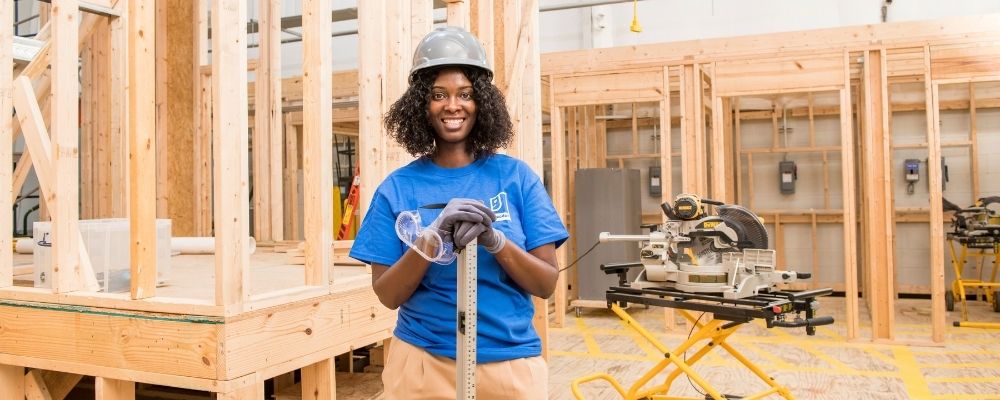
As the construction industry continues to evolve, modular factories are at the forefront of innovation, pushing the boundaries of what’s possible in building design and efficiency. In a recent newsletter survey, I asked 3,000 offsite industry professionals “Which technical skill will be in most demand in modular factories over the next five years?”.
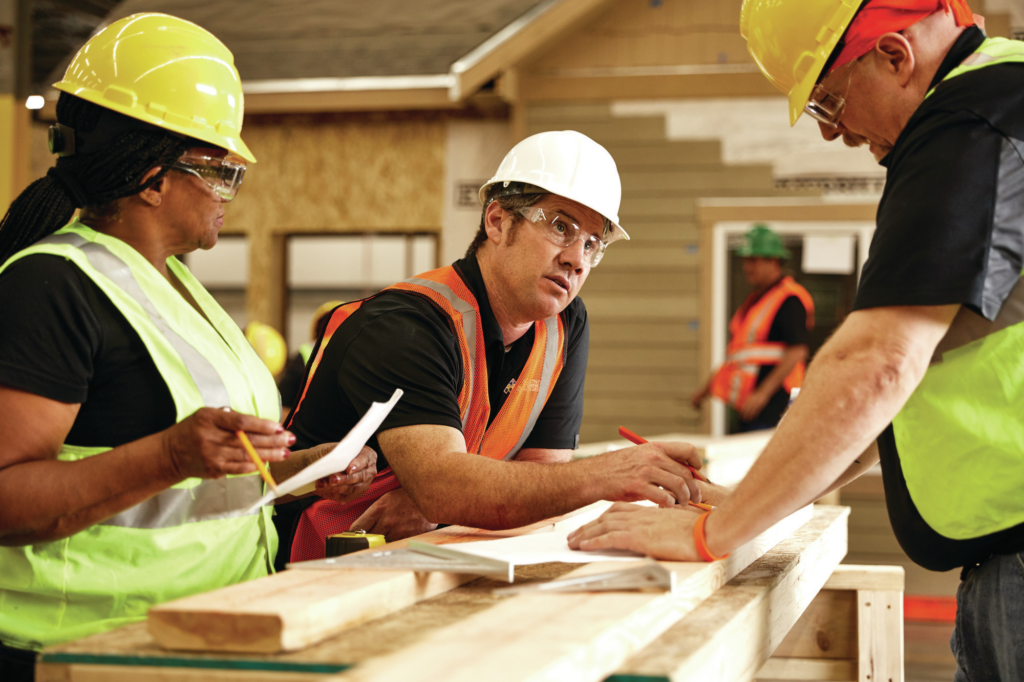
The results reveal key insights into the future of the modular construction workforce and highlight the skills that will be most critical for success.
Advanced Carpentry and Woodworking: 34.6%
Leading the survey with 34.6%, advanced carpentry and woodworking skills are expected to be in highest demand. This result underscores the importance of precision and craftsmanship in modular construction, where components are often produced to exact specifications. The rise of sustainable building practices, such as the use of Cross-Laminated Timber (CLT) and other engineered wood products, further drives the need for highly skilled carpenters.
Advanced carpentry involves not just traditional woodworking, but also the integration of modern tools and techniques. Workers proficient in CNC (Computer Numerical Control) woodworking machines, which allow for precise cuts and intricate designs, will be especially valuable. As modular factories strive for both efficiency and quality, carpenters who can blend traditional skills with modern technology will be in high demand.
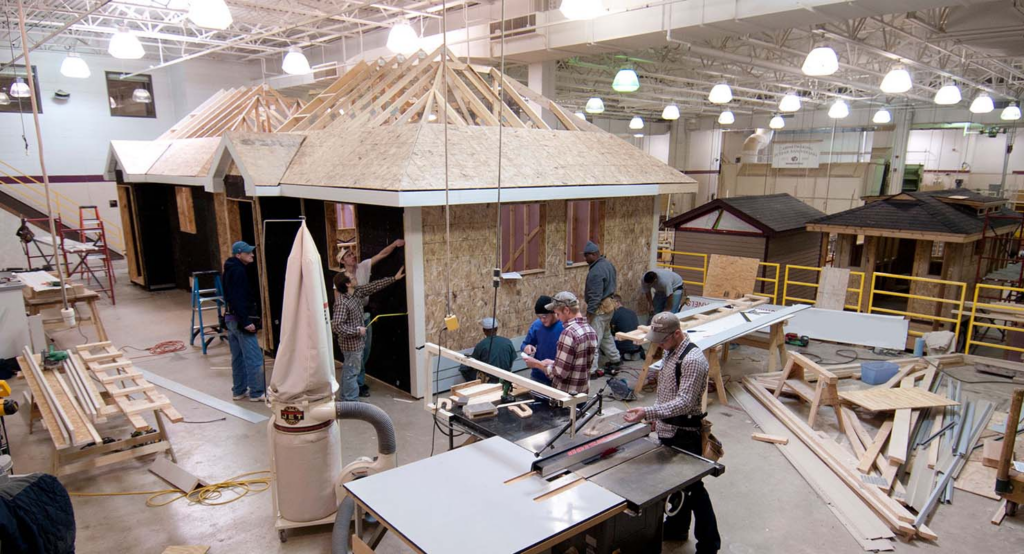
Electrical Systems Installation: 33.2%
Closely following is electrical systems installation, at 33.2%. As modular buildings become more sophisticated, the complexity of their electrical systems increases. This includes not just basic wiring, but also the integration of smart home technologies, renewable energy sources like solar panels, and advanced climate control systems.
Electrical installers in modular factories will need to be adept at reading and interpreting complex schematics, as well as staying current with the latest electrical codes and standards. With the growing emphasis on energy efficiency and sustainability, expertise in installing and maintaining energy-efficient electrical systems will be particularly sought after.
.

CNC Machine Operation and Programming: 11.6%
CNC machine operation and programming garnered 11.6% of the votes, reflecting the increasing automation in modular construction. CNC machines are crucial for producing precise and complex components efficiently. Skilled operators who can program and maintain these machines will play a vital role in the production process.
The demand for CNC skills highlights a broader trend towards automation and digital fabrication in the construction industry. As modular factories aim to scale up production while maintaining high quality, the ability to leverage CNC technology will be essential. This skill set also aligns with the industry’s push towards mass customization, where components can be tailored to specific project needs without sacrificing efficiency.
Plumbing and HVAC Systems Installation: 11.1%
Plumbing and HVAC (Heating, Ventilation, and Air Conditioning) systems installation came in at 11.1%, emphasizing the need for skilled workers who can ensure the comfort and functionality of modular buildings. As buildings become more complex and energy-efficient, the installation of these systems requires advanced knowledge and precision.
Plumbers and HVAC technicians will need to be familiar with the latest technologies, including energy-efficient systems and smart HVAC controls. The ability to work within the constraints of modular construction—where space can be limited and components must fit precisely—is also critical. As modular buildings often aim for higher energy efficiency standards, technicians who can install and maintain these systems to meet stringent requirements will be highly valued.
.
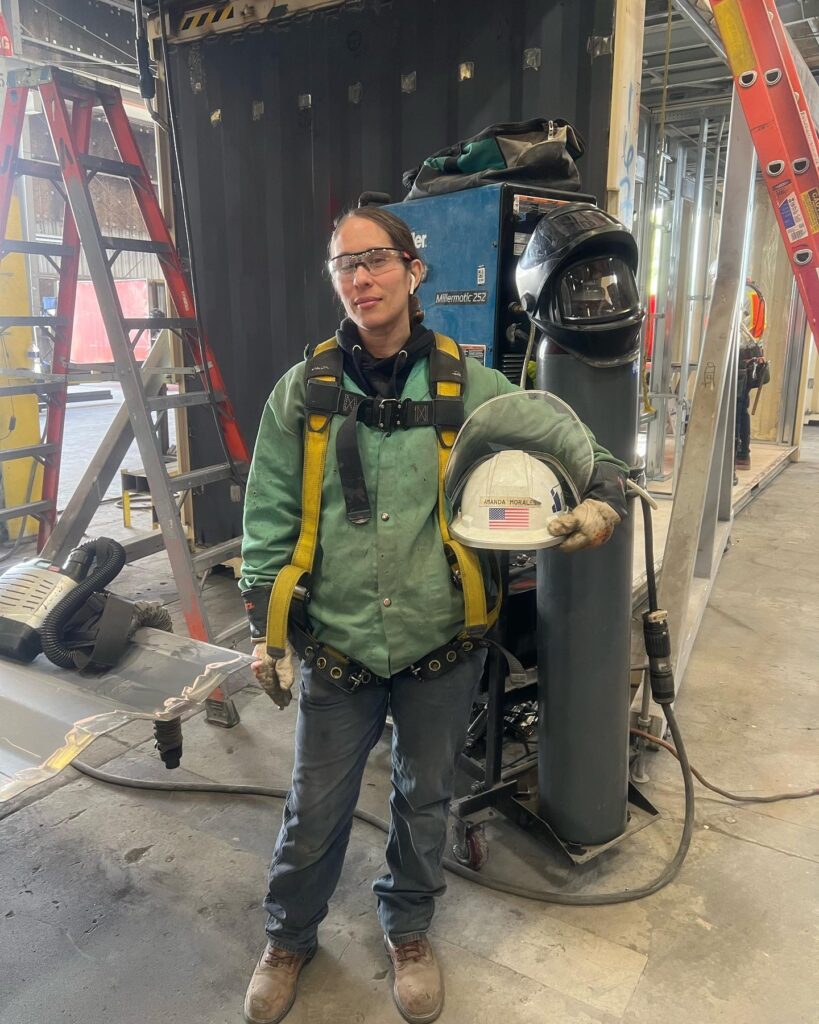
Welding and LGS Fabrication: 9.5%
Rounding out the survey is welding and Light Gauge Steel (LGS) fabrication, at 9.5%. While this skill set received the fewest votes, it remains essential for the structural integrity of modular buildings. LGS is increasingly used in modular construction for its strength, durability, and ease of assembly.
Welders and fabricators will need to be skilled in modern welding techniques and familiar with the properties of various metals used in construction. As modular factories continue to innovate with materials and methods, the ability to adapt and work with new technologies will be crucial for workers in this field.
Modcoach Note:
The survey results paint a clear picture of the future skill demands in modular factories. Advanced carpentry and woodworking, and electrical systems installation are set to be the most sought-after skills, reflecting the industry’s emphasis on precision, quality, and advanced technology. CNC machine operation and programming, plumbing and HVAC systems installation, and welding and LGS fabrication also highlight the diverse range of expertise needed to drive the modular construction industry forward.
As the industry continues to innovate, the demand for a highly skilled workforce will only grow. Modular factories must invest in training and development to equip their workers with the necessary skills to meet these demands. By doing so, they can ensure not only the quality and efficiency of their production processes but also the overall success and sustainability of the modular construction industry.
This analysis provides a comprehensive overview of the skills that will shape the future of modular construction. By focusing on these key areas, the industry can better prepare for the challenges and opportunities that lie ahead.
.

CLICK HERE to read the latest edition

Contact Gary Fleisher