


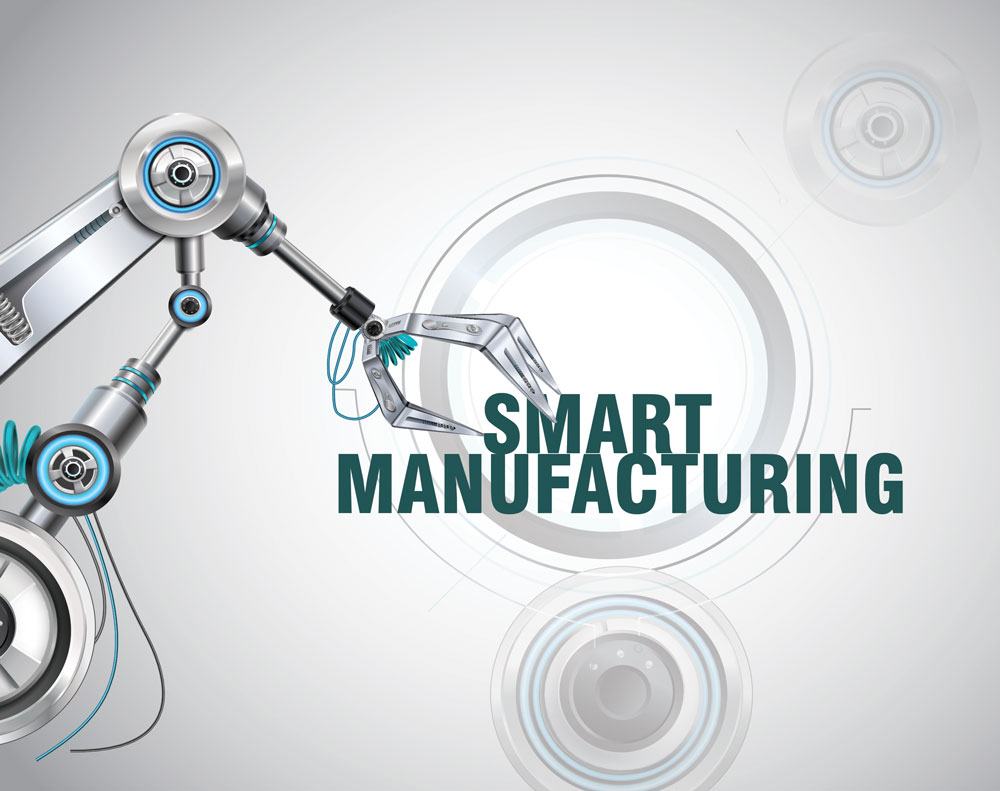
Imagine walking into a factory where machines seem to have a mind of their own, adjusting themselves to meet the demands of the day. Robots work alongside people, not replacing them but complementing their skills. Data flows continuously from every machine, tool, and device, allowing instant decisions that increase efficiency, reduce waste, and improve quality. This isn’t science fiction – it’s the reality of “smartfacturing,” the next evolution of manufacturing that is reshaping industries globally.
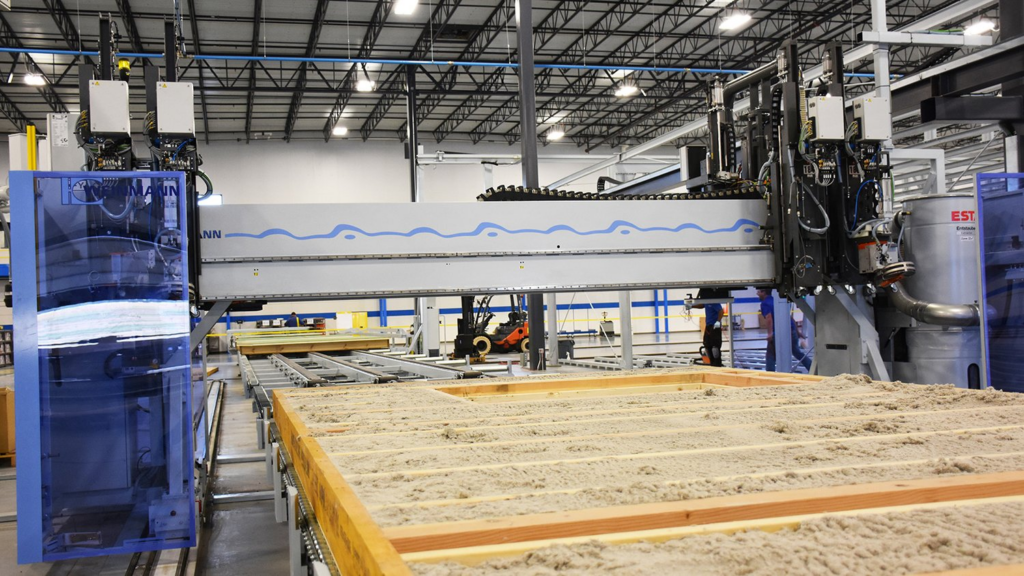
photo – Blurprint Robotics
At its core, smartfacturing combines traditional manufacturing with cutting-edge digital technologies like artificial intelligence (AI), the Internet of Things (IoT), robotics, and big data analytics. The goal is simple: to make production faster, more efficient, and more flexible while reducing costs and environmental impact. But what exactly does this look like in practice, and how is it changing industries like construction and modular housing? Let’s take a closer look.
A New Era of Manufacturing
For decades, the basic concept of manufacturing remained unchanged: factories followed rigid processes, relying heavily on manual labor and fixed machinery. Changes in product design or demand required costly and time-consuming retooling. Today, smartfacturing turns this model on its head, offering a dynamic system where factories can rapidly adapt to new challenges and opportunities.
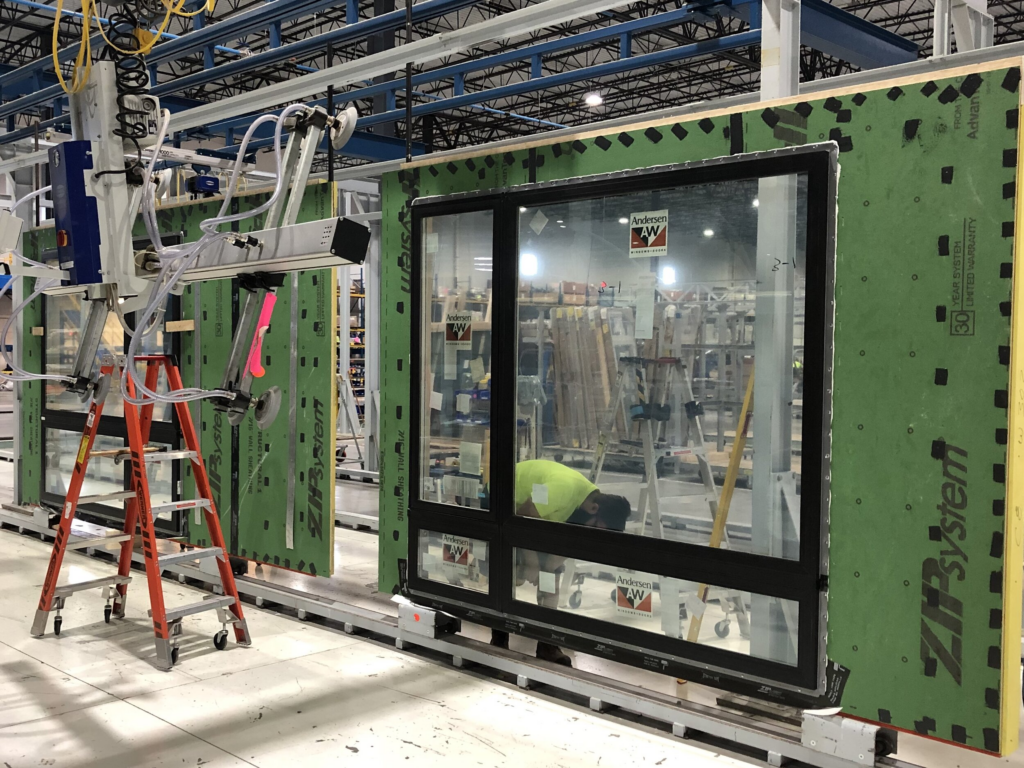
photo – Blurprint Robotics
Imagine a modular housing factory using smartfacturing principles. As orders come in, the factory’s machines automatically adjust production settings to accommodate different designs. If the demand for a certain type of module surges unexpectedly, the factory shifts resources to meet the increased need. At the same time, the system gathers data on every aspect of production – from raw material usage to machine performance – ensuring the factory is operating at peak efficiency.
Key Technologies Driving Smartfacturing
Smartfacturing is not a single technology but a combination of many. Let’s break down the core components that make this approach so revolutionary:
Artificial Intelligence (AI): AI systems can analyze huge amounts of data in real-time, identifying patterns and making predictions that allow manufacturers to optimize every aspect of production. For example, AI can predict when a machine is likely to fail, enabling preventative maintenance that avoids costly downtime.
Internet of Things (IoT): IoT refers to the network of connected devices that can communicate with each other. In a smart factory, machines, sensors, and even products themselves are connected to the internet, allowing real-time monitoring and control. This connectivity helps manufacturers streamline operations and respond quickly to changing conditions.
Big Data Analytics: Factories generate massive amounts of data, from machine performance to product quality metrics. Big data analytics tools can process this information, providing actionable insights. For instance, data analysis might reveal that a slight adjustment in temperature could improve the quality of a product, saving time and reducing waste.
Robotics and Automation: Advanced robots are capable of performing tasks with incredible precision and speed. These robots are not replacing human workers but are instead taking over repetitive or dangerous tasks, allowing people to focus on more complex or creative aspects of production.

Digital Twins: A digital twin is a virtual replica of a physical product or system. Manufacturers use digital twins to simulate production processes, testing different scenarios and identifying the best ways to optimize performance before making changes in the real world.
.
Benefits of Smartfacturing
The adoption of smartfacturing is leading to several significant benefits for manufacturers across industries. Let’s explore some of the most impactful advantages:
Increased Efficiency: By automating tasks and using data to make real-time decisions, smartfacturing dramatically boosts production efficiency. Factories can produce more in less time while using fewer resources.
Cost Reduction: Smarter use of resources means less waste. AI-powered systems can optimize everything from energy consumption to material usage, cutting costs across the board.
Flexibility and Customization: In a traditional factory, changing product designs or scaling up production requires significant effort and expense. With smartfacturing, these adjustments are seamless. Factories can quickly pivot to new designs or increase production to meet spikes in demand, enabling manufacturers to offer more customized products.
Sustainability: Smartfacturing is also better for the environment. Automated systems use energy more efficiently, and the data-driven approach helps minimize waste. This makes smartfacturing an important tool for companies looking to reduce their carbon footprint.
Improved Product Quality: With real-time data analysis, manufacturers can spot potential quality issues early and adjust processes to prevent defects. This leads to higher-quality products and happier customers.
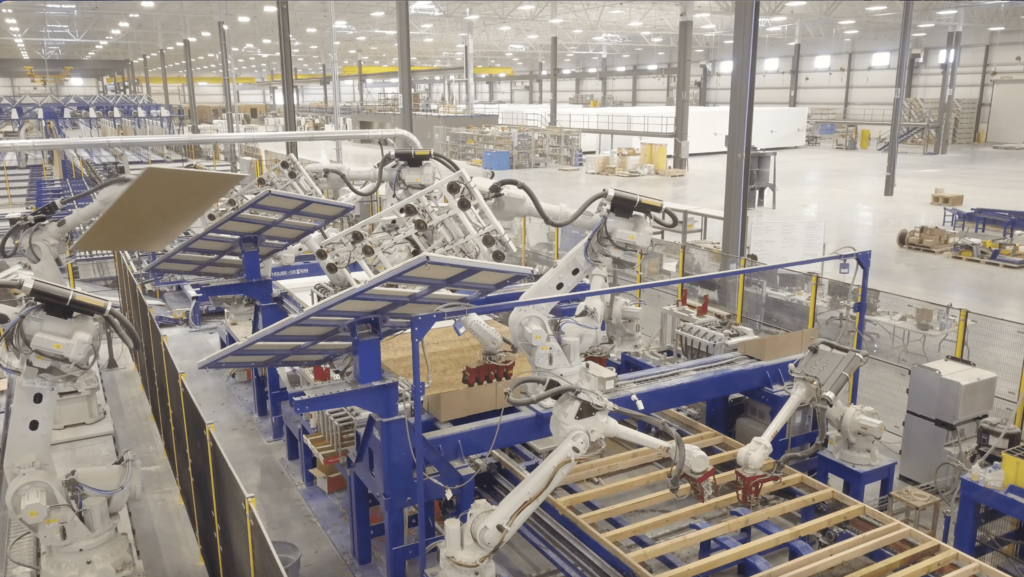
photo – Shelterforce
Smartfacturing in Action: The Modular Construction Revolution
One of the industries poised to benefit the most from smartfacturing is construction, particularly modular housing. Traditionally, construction has been slow, labor-intensive, and plagued by inefficiencies. Modular construction, where homes or buildings are prefabricated in sections and assembled on-site, offers a faster and more efficient alternative. And when combined with smartfacturing, the potential is even greater.
In a smart factory dedicated to modular housing, every component is produced with precision. Robots handle the repetitive tasks like cutting and assembling materials, while human workers focus on more intricate tasks. Sensors embedded in the machinery collect data on every step of the process, from the quality of raw materials to the final inspection of each module.
If a machine detects a problem, such as a slight misalignment, it can adjust itself or alert a technician before the issue becomes serious. At the same time, AI systems analyze production data to find ways to improve efficiency. Perhaps they discover that changing the sequence of tasks reduces the time it takes to complete a module, leading to faster turnaround times.
The flexibility of smartfacturing also allows for greater customization. A modular housing factory using this approach can easily switch between producing different models of homes, or even create custom designs, without the delays or extra costs that would typically be involved. This is particularly valuable in today’s housing market, where demand for affordable, customizable homes is growing.
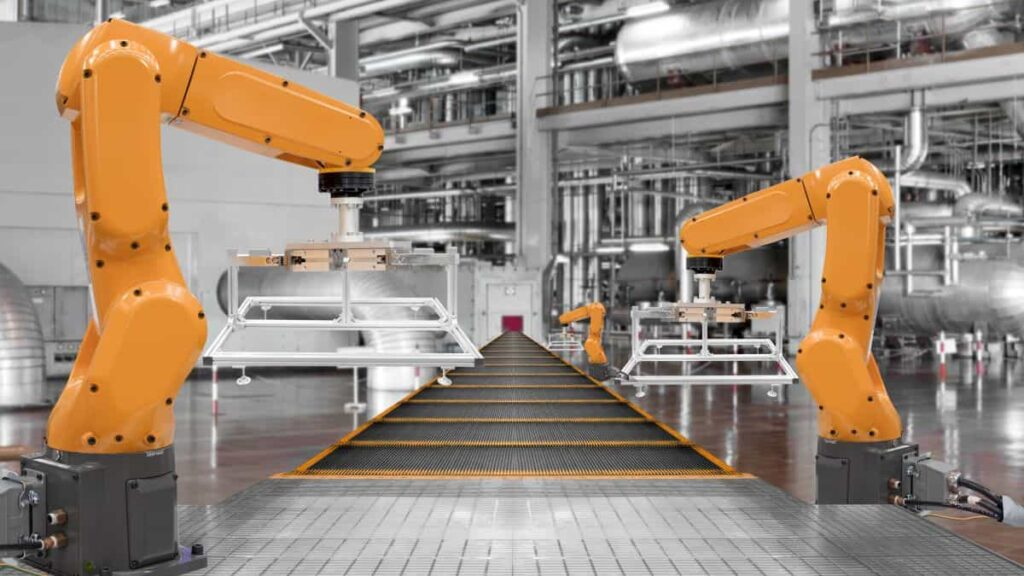
photo – Modular Home Coach
Overcoming Challenges and Looking Ahead
While smartfacturing holds tremendous promise, it is not without challenges. For one, the initial investment in the technologies required can be significant, especially for smaller companies. Additionally, integrating these new systems with existing infrastructure can be complex.
There’s also the human factor. Workers may need new skills to operate and maintain smartfacturing technologies. Fortunately, the rise of smartfacturing also presents opportunities for upskilling the workforce. As robots take over repetitive tasks, workers can focus on higher-value activities, such as programming machines, analyzing data, and overseeing production processes.
The long-term benefits of smartfacturing far outweigh these challenges. Factories that embrace this new model will be better equipped to respond to market changes, improve their bottom line, and contribute to a more sustainable future.
Modcoach Note
Smartfacturing is more than just a buzzword – it’s the future of manufacturing. By combining automation, AI, IoT, and data analytics, smartfacturing offers a flexible, efficient, and sustainable approach to production. From modular housing to car manufacturing, industries around the world are beginning to embrace this new way of working, and the benefits are already becoming clear.
As the technology continues to evolve, smartfacturing will only become more powerful, further revolutionizing the way things are made. Factories of the future will be smarter, greener, and more responsive, transforming manufacturing into an industry that is ready to meet the challenges of the 21st century.
In the world of construction, this could mean a revolution in how homes and buildings are made, with greater efficiency, lower costs, and more customization. The rise of smartfacturing is a glimpse into a future where production is not just faster but also smarter, paving the way for new innovations and endless possibilities.
.

CLICK HERE to read the latest edition

Contact Gary Fleisher