






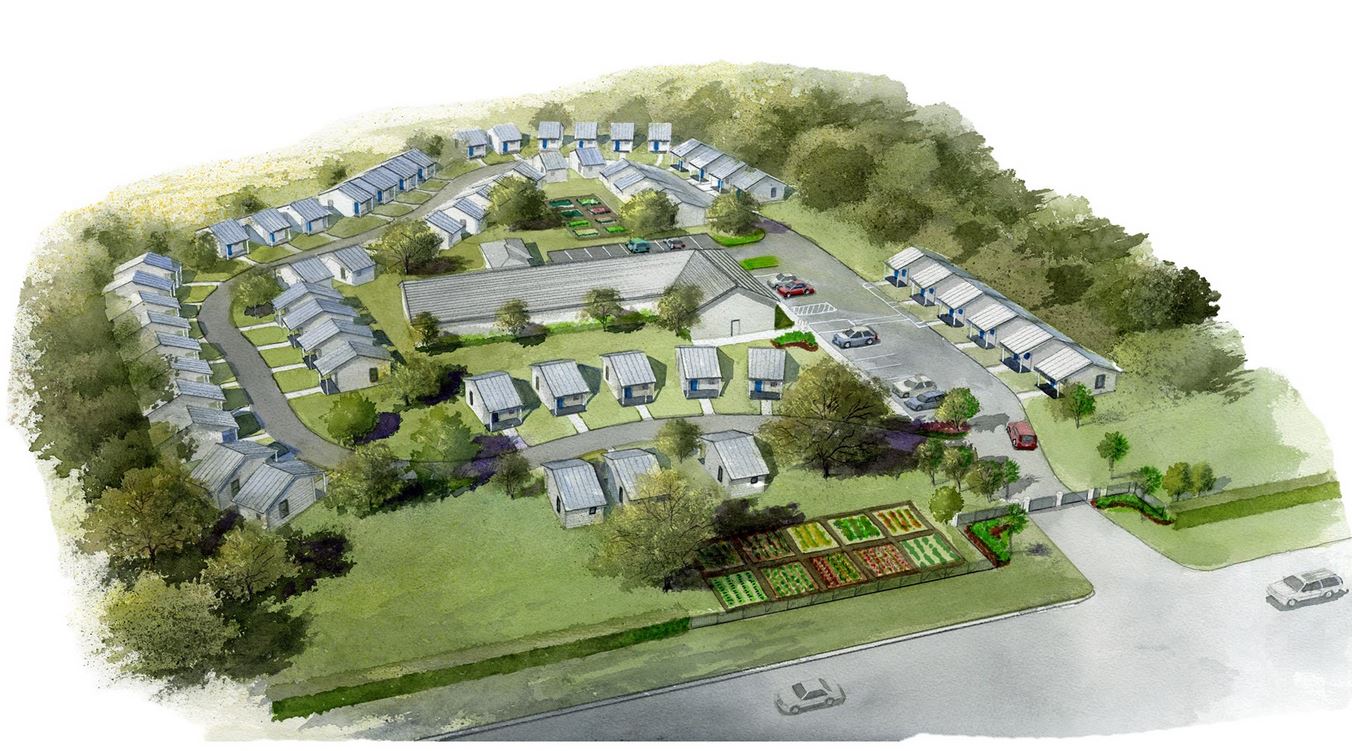
Tiny homes offer cities more patch than solution to homelessness
In response to a nationwide crisis that has left over 650,000 people without housing, tiny home villages for the homeless have proliferated across the United States in recent years. From just 34 in 2019, the number has surged to 123, according to Missouri State University researcher Yetimoni Kpeebi. Notably, 43% of these villages have been privately funded by philanthropists, businesses, and corporations.
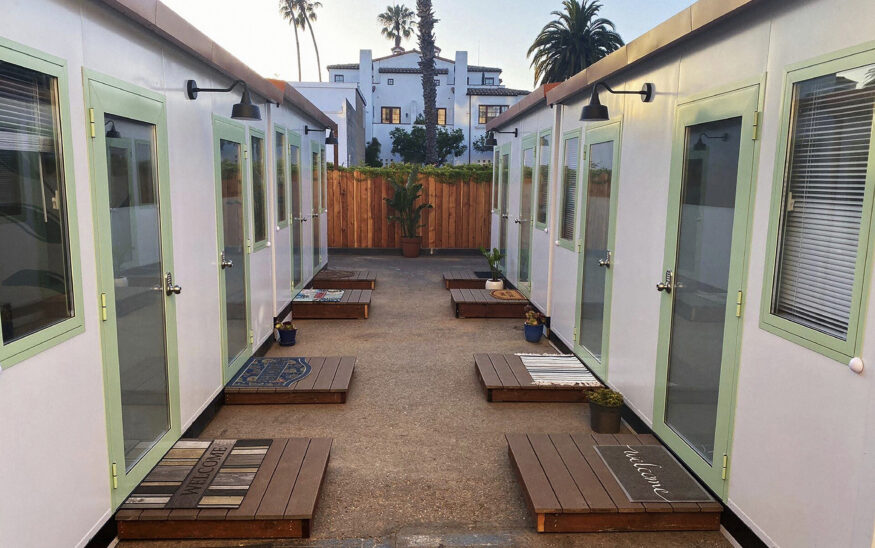
In 2022, a cluster of tiny homes occupied space in downtown Santa Barbara, California. The number of tiny home villages in the U.S. has skyrocketed in the past five years. (Dignity Moves via AP)

Key contributors include Sobrato Philanthropies, led by Silicon Valley developer John Sobrato, and foundations such as James M. Cox and Valhalla. These groups have financed tiny home projects in high-cost areas like San Francisco, San Jose, and Oakland. In Austin, Texas, the Michael and Susan Dell Foundation supports a 51-acre tiny home community, while North Carolina’s Oak Foundation has funded a village for the severely mentally ill and chronically homeless.
Despite their ambition, these efforts address only a small portion of the homeless population. Tiny homes, typically ranging from 100 to 400 square feet, can be built quickly and cost-effectively. However, securing permits, financing, and local government approval can introduce significant delays and expenses. Critics argue that while tiny homes offer a temporary solution, they do not tackle the broader issue of affordable housing scarcity.
CLICK HERE to read the entire DJCOregon article
.

CLICK HERE to read the latest edition

Contact Gary Fleisher