



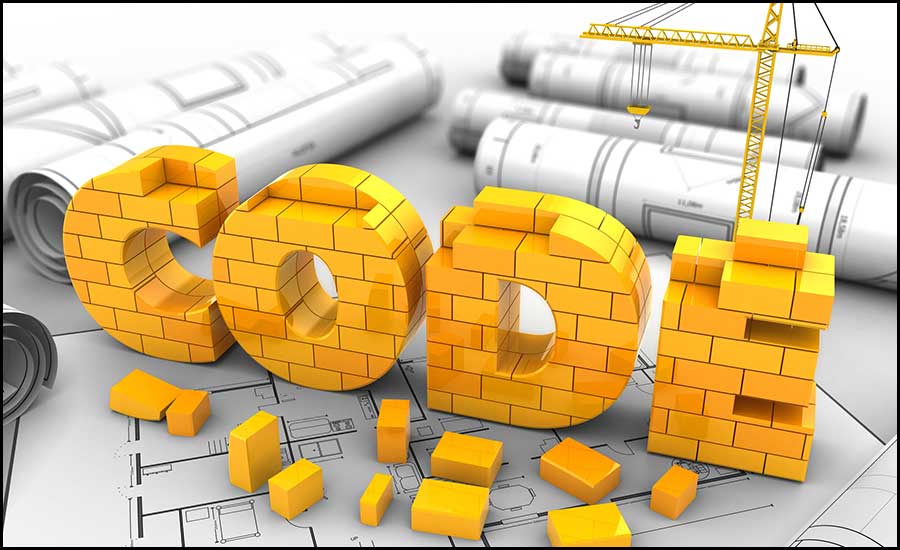
Building codes are essential guidelines designed to ensure that construction projects meet specific safety, health, and performance standards. These codes influence how structures are built, and compliance with them is critical for the safety of occupants and the longevity of buildings. Broadly, building codes fall into two categories: prescriptive and performance-based. Each approach has its advantages and challenges, and both are used by builders, architects, and modular construction factories depending on the project’s needs and the local regulations. Understanding the differences between these two types of codes is vital for anyone involved in construction.

.
Prescriptive Building Codes
Prescriptive building codes provide a set of detailed, step-by-step guidelines on how buildings should be constructed. These codes outline exactly how various components, such as electrical systems, structural materials, and insulation, should be used. For example, a prescriptive code might specify the minimum thickness of insulation or the type of materials to use for fire resistance. In following these rules, builders ensure compliance simply by adhering to the written standards.
Advantages of Prescriptive Codes:
Clarity and Simplicity: Since prescriptive codes provide specific instructions, they are relatively easy to follow. Builders know exactly what materials and methods are acceptable, which can speed up the approval process and reduce the chances of non-compliance.
Reduced Subjectivity: Prescriptive codes offer little room for interpretation. This can be especially beneficial in situations where local inspectors or authorities are involved, as everyone operates from the same set of defined standards.
Widely Accepted and Tested: These codes are typically based on long-established practices, meaning they have been tested over time and are well-understood by builders, inspectors, and manufacturers alike. This familiarity can simplify construction, particularly for less-experienced builders.
Challenges of Prescriptive Codes:
Limited Flexibility: One of the main drawbacks of prescriptive codes is their lack of flexibility. Builders must follow the guidelines precisely, which can limit creativity and innovation. In cases where new materials or construction techniques could offer advantages, builders are often restricted to using traditional methods.
Over-Specification: Prescriptive codes can sometimes require higher standards than necessary for specific projects. For example, a code might require materials or methods designed for harsh climates, even if the project is located in a milder environment. This can increase costs unnecessarily.

Resistance to Innovation: The rapid development of new technologies in construction, such as automation or energy-efficient materials, may be slowed down by prescriptive codes that do not allow deviations from the standard. Builders wishing to explore alternative solutions must wait for code updates, which can take years.
Performance-Based Building Codes
In contrast, performance-based building codes focus on the outcomes that buildings must achieve rather than specifying how to achieve those outcomes. For example, a performance-based code might require that a building maintain a certain level of energy efficiency but allow the builder to choose the materials and methods to meet that standard. The emphasis here is on the building’s final performance rather than the steps taken to get there.

.
Advantages of Performance-Based Codes:
Flexibility and Innovation: Performance-based codes offer greater flexibility, allowing builders to use innovative materials and construction techniques to meet performance goals. This can lead to more cost-effective and efficient designs that take advantage of the latest technologies.
Encouragement of Sustainability: Many performance-based codes focus on sustainability, energy efficiency, and environmental impact. By allowing builders to select the best materials and methods for the project, these codes encourage the use of green technologies, such as solar panels or energy-efficient insulation.
Adaptability: Because performance-based codes do not prescribe specific methods, they are more adaptable to different environments and conditions. Builders can tailor their approaches to meet local challenges, such as designing buildings to withstand earthquakes or extreme weather conditions.
Challenges of Performance-Based Codes:
Complexity in Implementation: While performance-based codes offer flexibility, they can also be more complex to implement. Builders must prove that their chosen methods will meet the required performance outcomes, which may require extensive testing, calculations, or modeling. This can add time and cost to the design and approval process.
Subjectivity and Interpretation: Unlike prescriptive codes, performance-based codes often require interpretation by builders, designers, and inspectors. This can introduce a level of subjectivity into the approval process, as there may be different opinions on whether the building meets the performance criteria.
Greater Expertise Required: Performance-based codes often require more expertise in areas such as engineering, materials science, and building physics. Builders and designers need to be confident that their proposed solutions will meet the required standards, which can make these codes more challenging for smaller firms or less-experienced professionals to navigate.
Builder and Modular Factory Preferences
The preferences of builders and modular construction factories for either prescriptive or performance-based codes depend on several factors, including the size and complexity of the project, the builder’s experience, and the local regulatory environment.
Traditional Builders: Many traditional builders prefer prescriptive codes because they offer clear, straightforward guidelines. This is especially true for smaller builders who may lack the resources or expertise to navigate the complexities of performance-based codes. Prescriptive codes provide a level of certainty that can be reassuring, particularly when dealing with local building inspectors or regulators.
Modular Factories: On the other hand, modular construction factories, especially those that focus on innovation, often prefer performance-based codes. The flexibility of performance-based codes allows these factories to experiment with new materials, technologies, and processes, such as automation or advanced energy systems. By adopting innovative practices, modular factories can streamline production and potentially reduce costs. For example, a modular factory might use cutting-edge materials to meet energy efficiency goals without being bound by prescriptive rules on insulation thickness or material types.
The ability to customize solutions and explore alternative construction methods can give modular factories a competitive edge, particularly in regions with performance-based codes that encourage innovation.
Countries Using Performance-Based Codes
Several countries have adopted performance-based building codes, either fully or as part of a hybrid system that includes both prescriptive and performance-based elements. This approach is becoming more common as countries seek to promote innovation and sustainability in construction.
- Australia: The National Construction Code (NCC) incorporates performance-based provisions, allowing for flexibility in meeting standards such as fire safety and energy efficiency.
- New Zealand: New Zealand’s Building Code allows for performance-based design, particularly in areas like earthquake resilience and environmental sustainability.
- United Kingdom: The UK Building Regulations include performance-based elements, particularly in fire safety and energy efficiency.
- Canada: The National Building Code of Canada (NBC) uses a performance-based approach in areas such as fire safety and structural design.
- European Union: Many EU countries, such as Sweden and the Netherlands, use performance-based codes, particularly in sustainable building and energy efficiency.
- United States: Although prescriptive codes dominate in the U.S., performance-based codes are increasingly being adopted, particularly in areas related to green building and disaster resilience.
As the construction industry evolves, both prescriptive and performance-based codes will continue to play important roles. Builders and modular factories will choose the approach that best suits their needs, balancing the benefits of innovation with the certainty of established practices.
.

CLICK HERE to read the latest edition

Contact Gary Fleisher