



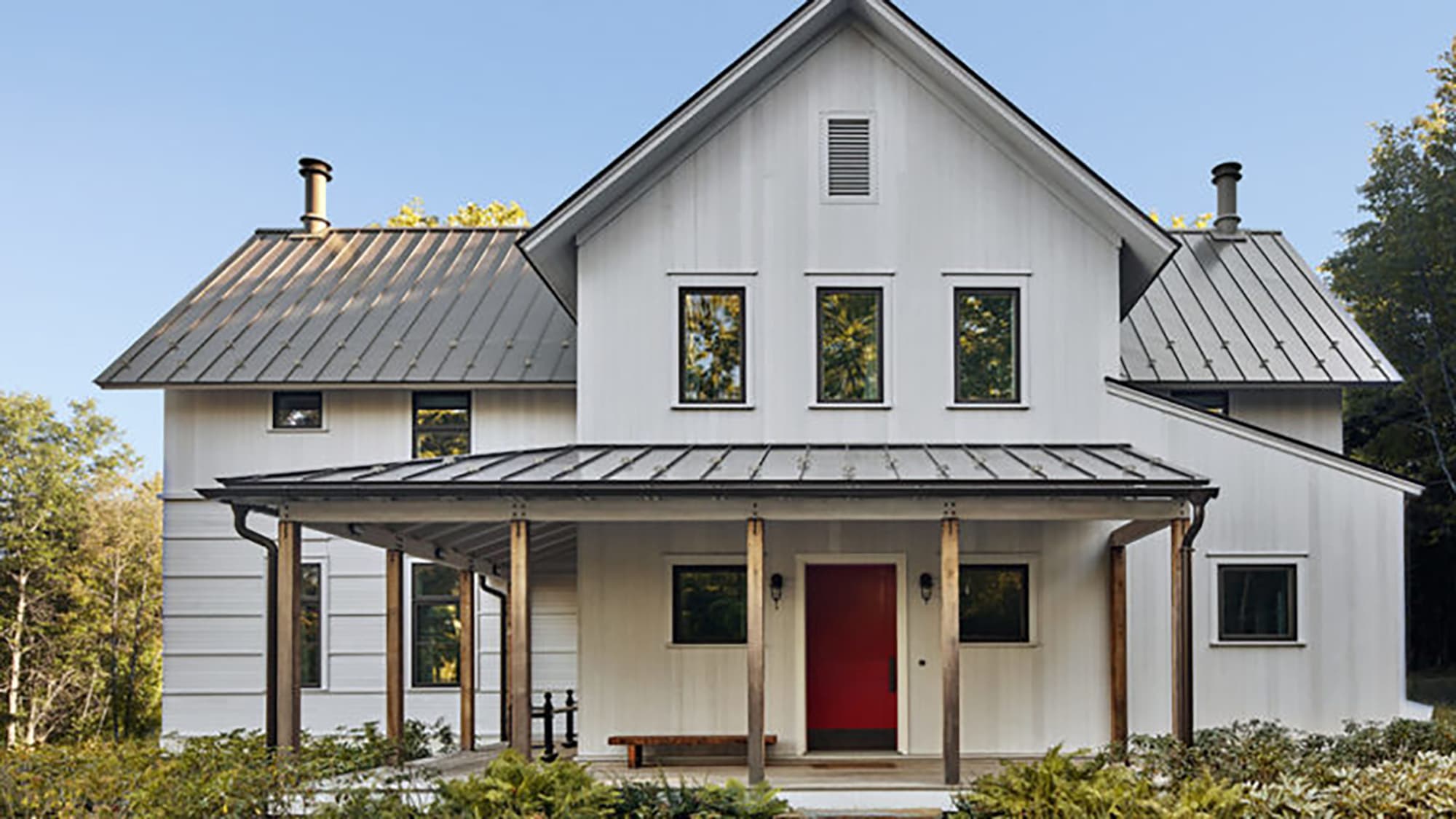
Vermont’s housing crisis is no longer an abstract policy debate — it’s a lived reality for thousands of people across the state. Rental vacancy rates are near historic lows, homelessness has surged, and the shortage of homes has pushed prices and rents into territory many working families simply can’t afford. At the same time, construction labor shortages and spiraling costs have made traditional building methods both slow and prohibitively expensive, leaving policymakers and housing advocates scrambling for solutions.
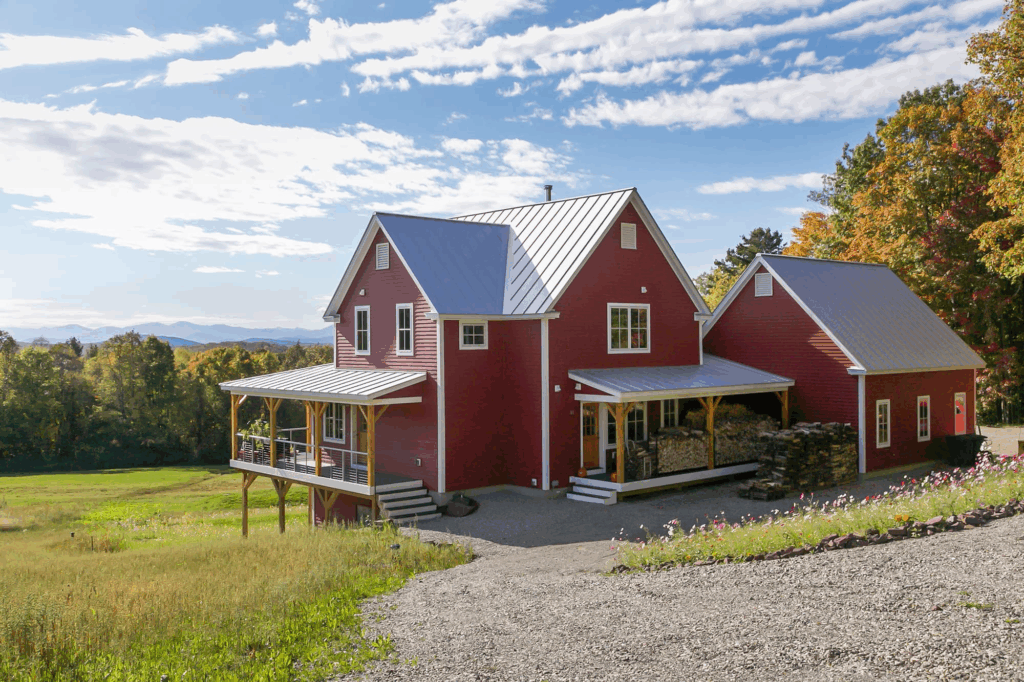
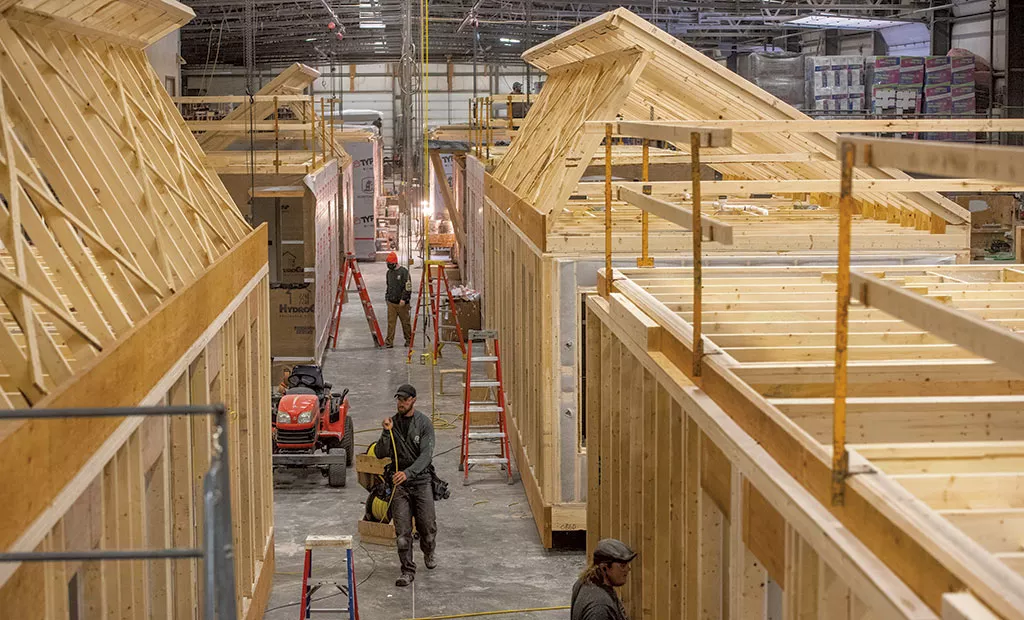
Amid this urgency, a technological revolution in homebuilding has quietly taken shape: modern modular and factory-built homes that are faster to produce, more energy efficient, and often more cost-effective than conventional construction. These aren’t the stereotypical “mobile homes” of decades past — today’s modular homes exceed rigorous energy standards and are engineered to withstand the same environmental stresses as traditional houses. Yet despite their promise, regulatory frameworks developed more than 50 years ago continue to stifle their adoption and erect barriers that keep them from scaling in a way that could meaningfully impact Vermont’s housing supply.
This Compass Vermont article explores that paradox — why a proven construction innovation, one that could deliver quality housing more quickly and affordably, remains sidelined in a state desperate for homes. We’ll unpack the technological advances, the regulatory bottlenecks, and the policy conversations unfolding in the 2026 legislative session as Vermont confronts the central question of whether its rules and incentives can evolve fast enough to meet the housing needs of today.


CLICK HERE to read the entire CompassVermont article
.
With more than 10,000 published articles on modular and offsite construction, Gary Fleisher remains one of the most trusted voices in the industry.
.
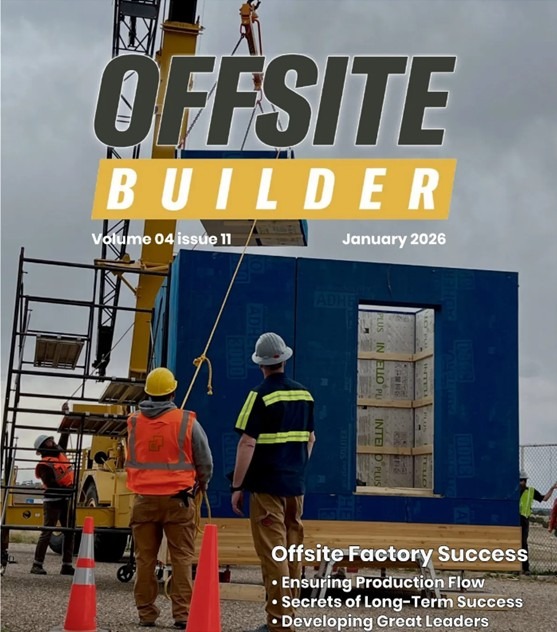
CLICK HERE to read the latest edition

Contact Gary Fleisher