





I’ll be honest—when QR codes started popping up on everything from cereal boxes to bathroom stalls, I rolled my eyes. They felt like a passing fad from the early smartphone era. But here’s the twist: they never really went away—they just got smarter. I’m now realizing these little black-and-white squares could be one of the most underrated tools in the entire industry.

From Menu Gimmick to Factory Power Tool
QR codes had their big comeback during COVID-19 when contactless everything became the norm. Suddenly, scanning became second nature again. One quick scan opens menus, payments, product info—basically anything.
And in an industry like offsite construction—where projects move fast, people are scattered across sites, and information needs to travel instantly—that kind of frictionless connection could be a total game-changer. They’re cheap, universal, and don’t require any new software. Just scan and go.
Starting With the Obvious Wins
Let’s be real: offsite companies are already driving giant rolling billboards all over town—so why not make them clickable?
Vehicle Billboards: Put large QR decals on every company truck, trailer, and crane linking to your website, portfolio, or even a careers page. Imagine someone sitting in traffic behind your trailer, scanning the QR code, and landing on your hiring page before the light turns green.
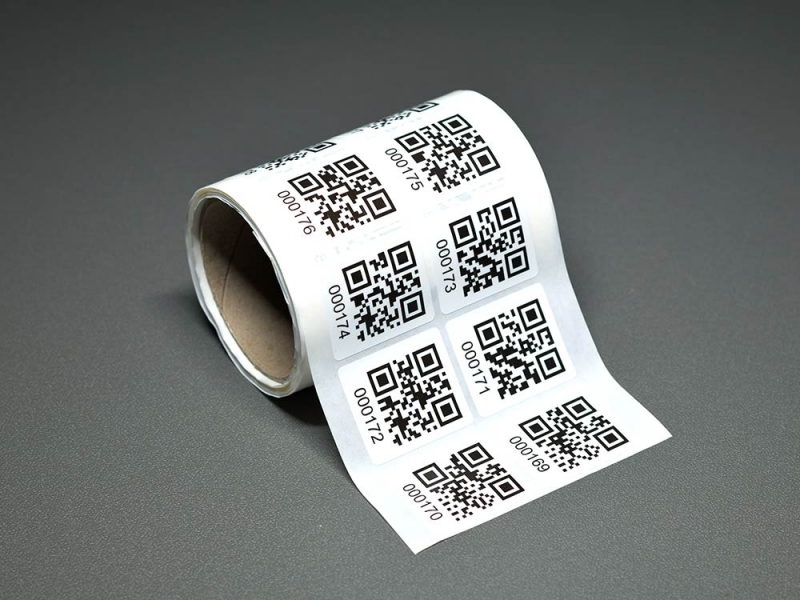
Module Shipping Wraps: Take it further by adding weatherproof QR stickers to the plastic wraps on shipped modules. A quick scan could pull up where it’s headed, who built it, and what it will become. It’s marketing that literally moves.
Embedding Codes Into the Build Itself
The magic happens when QR codes become part of the production workflow instead of just the marketing.
Component Specs Tags: Stick QR codes on wall panels, roof trusses, and floor cassettes that open up material specs, CAD drawings, and inspection history.
Digital Twin Access: Assign every finished module its own QR code that links to its digital twin. On the jobsite, crews can scan it to instantly see assembly instructions, wiring diagrams, or punch lists.
Tool Crib Checkouts: Add codes to tool bins so workers can scan to check tools in or out—and watch quick refresh videos on proper use.
Safety & Training Stations: Place QR codes at workstations and safety boards that open short training videos or safety checklists.
Quality Control Points: At each production stage, workers could scan QR codes to confirm inspections are done or to instantly file a defect report.
With this, every physical part of the factory becomes a doorway to its digital brain.
Turning Scans Into Relationships
Here’s where it gets fun. QR codes don’t just connect data—they can connect people.
Trade Show Booth Panels: Print big, scannable codes on booth signage that open virtual factory tours, catalogs, or lead forms so you can follow up after the event.
Employee Business Cards: Add QR codes to business cards that link to a short intro video or direct contact form—because nothing says “I get it” like a frictionless digital handshake.
Hiring Campaign Posters: Put QR codes on “We’re Hiring” signs around town that link straight to your application form. No typing, no lost interest. Just scan, apply, done.
The Big Picture
Offsite construction is built on efficiency—and QR codes are like little teleporters for information. They can quietly make everything faster, clearer, and more connected if we stop treating them like gimmicks and start using them as smart bridges between the physical and digital worlds.
I used to think they were just marketing clutter. Now I’m convinced they might be the simplest, cheapest step toward building the kind of seamless, tech-enabled offsite industry we all keep talking about.
And honestly? That’s kind of exciting.
.
With over 9,000 published articles on modular and offsite construction, Gary Fleisher remains one of the most trusted voices in the industry.
.

CLICK HERE to read the latest edition

Contact Gary Fleisher