



If you’re a Boomer or Gen Xer, you probably feel something growing inside the offsite construction industry—a low rumble, a subtle vibration—almost like the factory floor when a new machine starts up and you’re not quite sure yet if it’s going to solve problems or cause them. That rumble is Gen Z entering the workforce in numbers so large that the industry has no choice but to adapt, adjust, and—yes—welcome them.

Born between 1997 and 2012, Gen Z is already shaping industries faster than we can update our training manuals. They communicate differently, learn differently, question differently, and expect something from work that older generations didn’t dare ask for. And here’s where it gets interesting: offsite and modular construction, the industry so many Boomers and Gen Xers worked decades to legitimize, modernize, and expand, is uniquely aligned with what Gen Z values most.
The challenge isn’t winning them.
The challenge is understanding them.
Because to Gen Z, offsite construction is not “construction + labor.”
They see it as “tech + purpose.”
To them, a modular factory looks more like Tesla than Toll Brothers—a place where precision, robotics, digital workflows, sustainability, and mission collide into something meaningful. And that’s exactly why they could become the most important generation in the history of offsite construction, if we’re ready to bring them into the fold.
This is the article older generations need—factory owners, production managers, lead carpenters, engineers, CEOs, and even us industry writers. Because whether we’re prepared or not, Gen Z is coming into our industry, and we have two choices:
embrace the moment, or watch them choose a more welcoming field.
Let’s choose wisely.
The First Step: Realizing Gen Z Isn’t “Kids” Anymore
One of the biggest generational misunderstandings is assuming Gen Z is still the group filming TikToks in high school cafeterias. The oldest members of Gen Z are nearly 30. They’re assistant managers, designers, estimators, project coordinators, site supervisors, robotics techs, welders, coders, and in some cases, already founders of their own small businesses.

You are not preparing to welcome teenagers.
You are preparing to welcome the next wave of:
• skilled tradespeople
• digital-first managers
• tech-enabled factory leaders
• future modular entrepreneurs
Gen Z is not the future of the industry.
They are today’s workforce—and tomorrow’s leadership.
But to attract them, we must understand why they would choose offsite construction at all.
Why Offsite Construction Speaks Their Language
Older generations grew up associating construction with physical work, long hours, working your way up, and learning by sticking with it. Gen Z sees an entirely different picture—and it’s one we should be proud of.
They’re drawn to industries with mission, impact, technology, and mobility. Offsite checks all those boxes. They want sustainable solutions, and modular housing answers that. They want technology that fixes broken systems, and every modular factory is a living laboratory of robotics, automation, QC cameras, digital twins, and AI-enabled sequencing. They want variety in their career paths and the freedom to try new roles, and offsite gives them 15 different disciplines under one roof.

If you sat down with a Gen Z job candidate and explained that offsite is what happens when a tech company and a construction company have a very efficient baby, you’d see their eyes light up.
We don’t have a talent problem.
We have a translation problem.
Gen Z is interested, but the industry must learn to speak in terms that resonate. Instead of leading with labor, we lead with innovation. Instead of describing tasks, we describe purpose. Instead of showing them a job, we show them a mission.
How Older Generations Need to Change the Conversation
This is where the biggest generational gap lies—not in work ethic, not in skills, not in personal values, but in communication.
Boomers and Gen X grew up in an era where corporate speak and ladder-climbing were part of the deal. Gen Z sees that as noise. They gravitate toward directness, clarity, and authenticity. “Here’s the real problem” is a phrase that gets their attention. So is “What would you do differently?”
They don’t want to be lectured.
They want to collaborate.
This doesn’t mean handing them the keys to the factory. It means recognizing that Gen Z is coming into an industry starving for new thinking, and they thrive when older generations invite them into problem-solving conversations. A surprising thing happens when you ask a 24-year-old process tech how they would improve the line: they give thoughtful, bold, and sometimes brilliant answers, because they’re not constrained by the phrase “this is how we’ve always done it.”
When older and younger generations collaborate, the factory gets smarter.
Teaching the Trades the Gen Z Way
Nowhere is the generational shift more obvious than in training.
Boomers learned by repetition.
Gen Z learns by exploration.
Boomers were taught through endurance: “Watch me do this. Now do it 200 more times.”
Gen Z wants to experiment: “Let me try it. Let me understand it. Let me refine it.”
The good news? This is perfect for offsite construction.
Modular factories already thrive on continuous improvement. Gen Z is built for that mindset. They don’t just want to learn the task—they want to understand the system. They want to know why the tool is used a certain way, why the line flows the way it does, why the panel design changed, or why a robot performs a job differently than a human.
Teaching Gen Z requires shorter bursts of instruction, faster feedback, more hands-on trials, and a tech-first approach. Tablets, QR-linked instructions, digital twins of assemblies, AI-based troubleshooting, and on-screen sequencing are all tools that make sense to them instinctively. It’s not that they can’t learn the old way—they simply learn more efficiently in the new way.
If the trades are going to thrive, this is the generation to help accelerate their evolution.
Leadership Must Look Different for Gen Z
If you expect a 23-year-old to patiently wait 10 years for a title change, you’ve already lost them. This generation doesn’t want a long ladder—they want a meaningful journey.
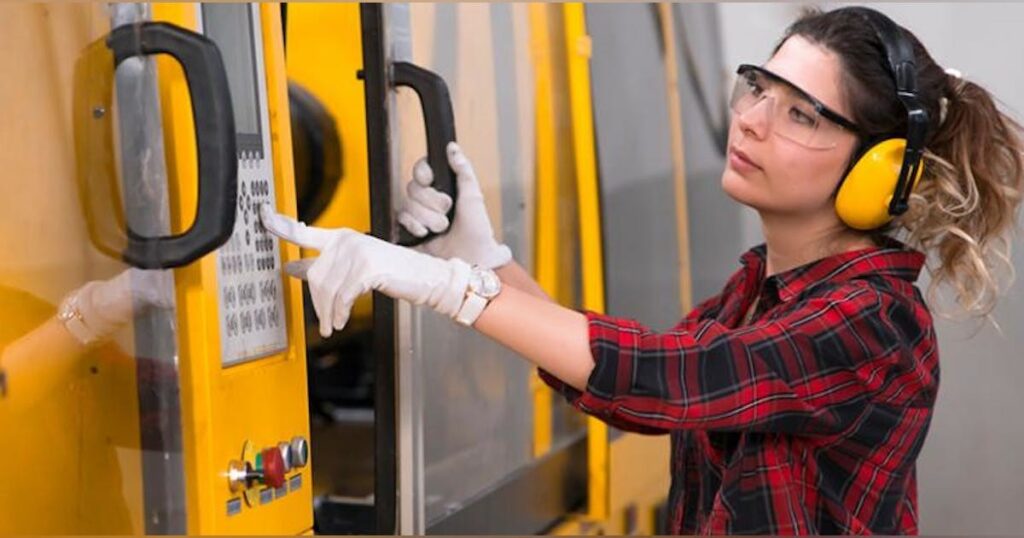
They value:
• progress they can see
• skills they can stack
• challenges they can solve
• feedback they can use
• leadership they can trust
This doesn’t mean promoting people too early. It means showing them what progress looks like. Gen Z responds strongly to micro-advancement: small, visible steps forward that add up to a career trajectory. The industry desperately needs future supervisors, line coaches, QC leaders, building science experts, and modular entrepreneurs. Gen Z is ready for those paths if we’re willing to lay them out clearly.
When you invest in their growth, they invest in your company.
What Gen Z Brings That the Industry Desperately Needs
Every generation brings something unique to the industry. Boomers brought grit, resilience, and a lifetime of experience. Gen X added independence, systems thinking, and the balancing act of modern management. Millennials contributed digital skills, transparency, and collaboration.
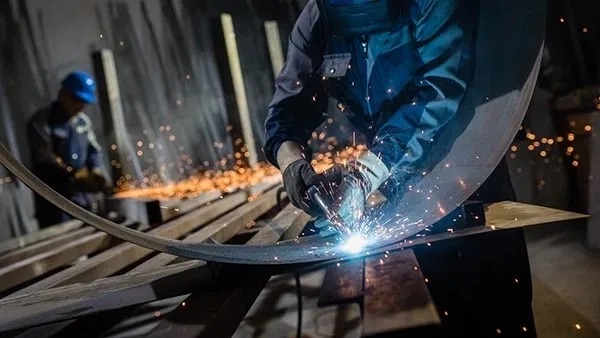
Gen Z brings something we’ve never had before:
• native fluency in technology
• a passion for sustainability
• comfort with automation
• fresh eyes for broken processes
• entrepreneurial instinct at young ages
• the ability to learn three things at once
• a deep desire for purpose-driven work
These traits aren’t just nice to have. They are exactly what the offsite industry needs for the next 20 years.
Why This Matters: Securing the Future of Offsite
This isn’t simply about hiring a new generation. It’s about securing the future of a sector that has struggled for decades to convince the broader construction world of its value. It’s about building an industry that outlives all of us.
The people who will run modular factories in 2040 are entering the workforce now.
The people who will refine robotics, automate QC processes, and design next-generation modules are sitting in college classrooms today.
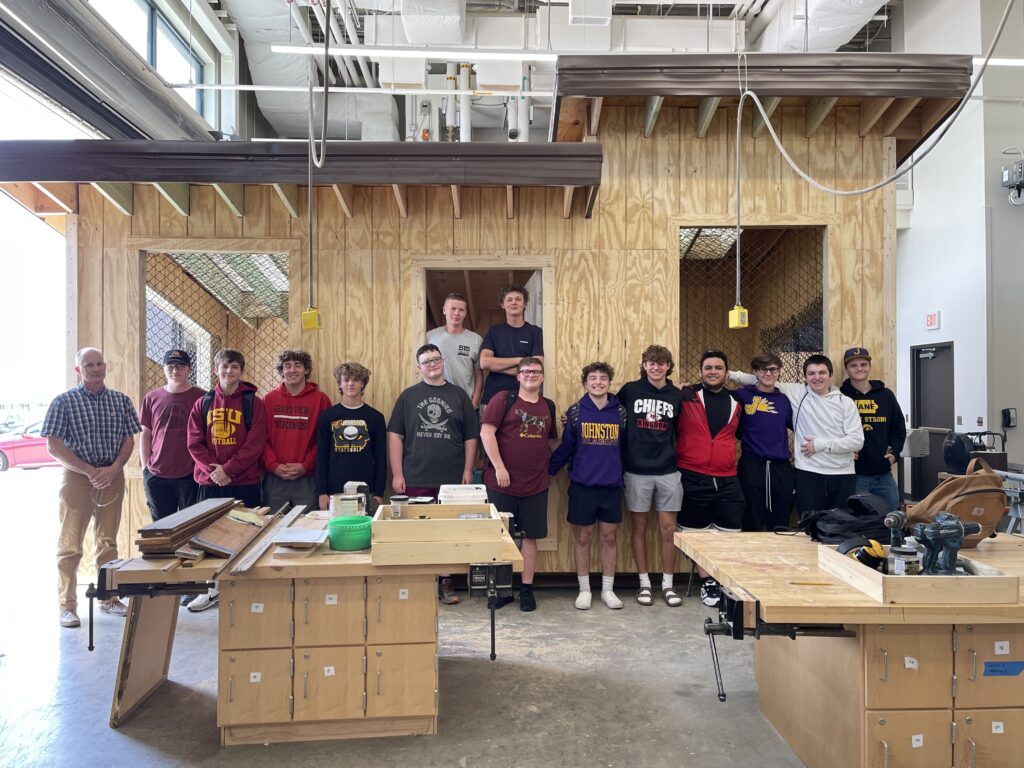
The people who will found tomorrow’s micro-factories and offsite startups are welding their first joints in high school shops as we speak.
If we want offsite to finally take its rightful place as a mainstream, efficient, tech-driven building solution, we must embrace the generation built to accelerate that shift.
My Final Thought: Passing the Torch Without Losing the Flame
Legacy isn’t just about the articles we write, the factories we build, or the projects we deliver. Legacy is measured by how well the next generation carries the work forward.
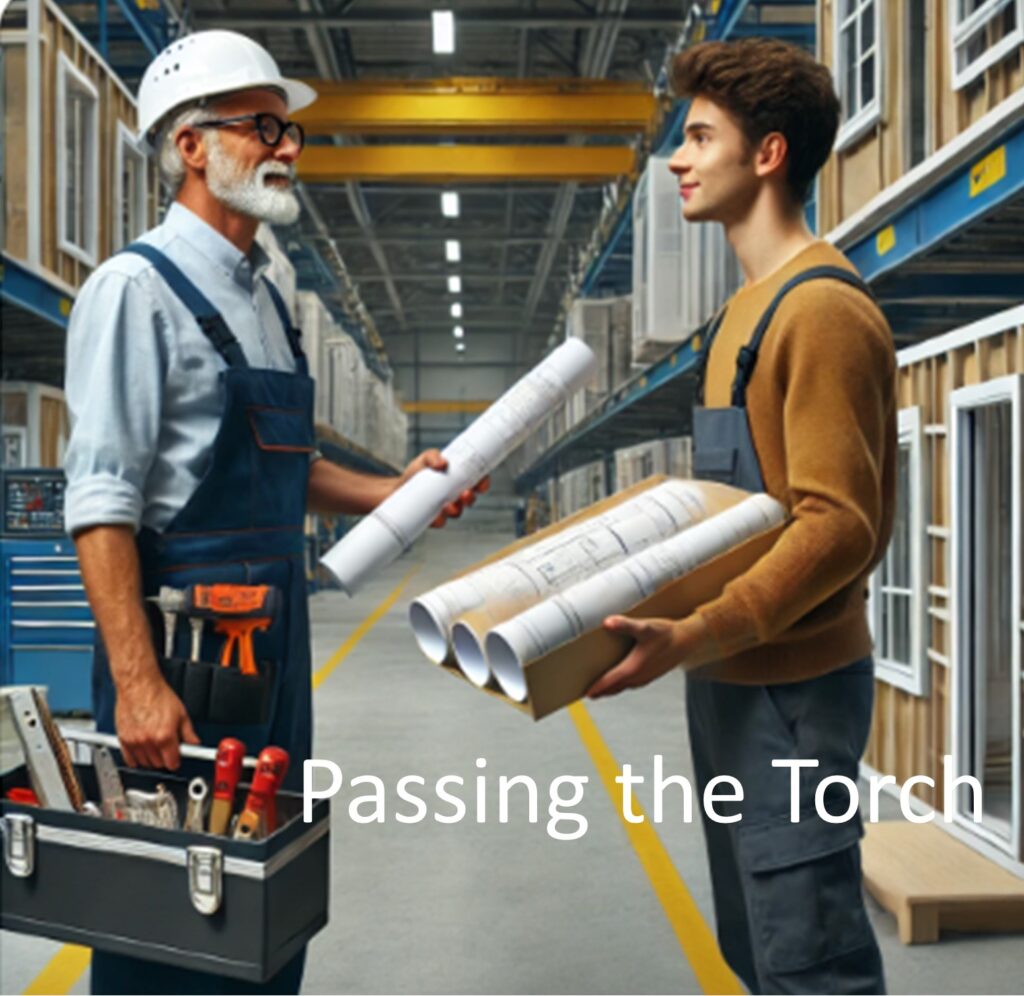
Gen Z will not inherit offsite construction the way we built it.
They will reinvent it.
And that’s exactly what this industry needs.
Our job—Boomers, Gen Xers, and Millennials—is not to fade into the background.
Our job is to prepare the stage so Gen Z can take the spotlight and build the future we always hoped offsite would become.
If you’d like, I can now prepare the LinkedIn intro, a shorter blog-version, or a companion article aimed directly at Gen Z explaining why offsite construction is worth their attention.
.
With more than 10,000 published articles on modular and offsite construction, Gary Fleisher remains one of the most trusted voices in the industry.
.
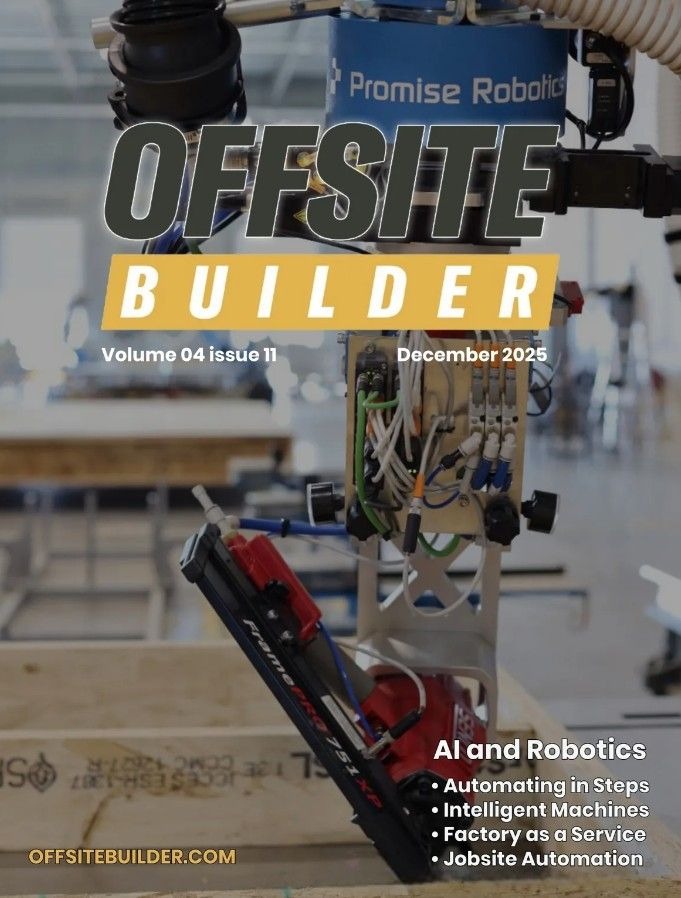
CLICK HERE to read the latest edition

Contact Gary Fleisher