



A closer look at the real cost of “temporary” homeless housing
At first glance, the numbers sound almost reassuring. A small shelter—barely larger than a garden shed—costing somewhere between $7,500 and $19,000. That feels efficient. Responsible, even. Compared to permanent housing or modular apartments, a tiny box from Pallet Shelter seems like a practical response to a humanitarian crisis. But once you stop looking at the price of the box and start looking at the price of the system wrapped around it, the story changes—quickly, and uncomfortably.
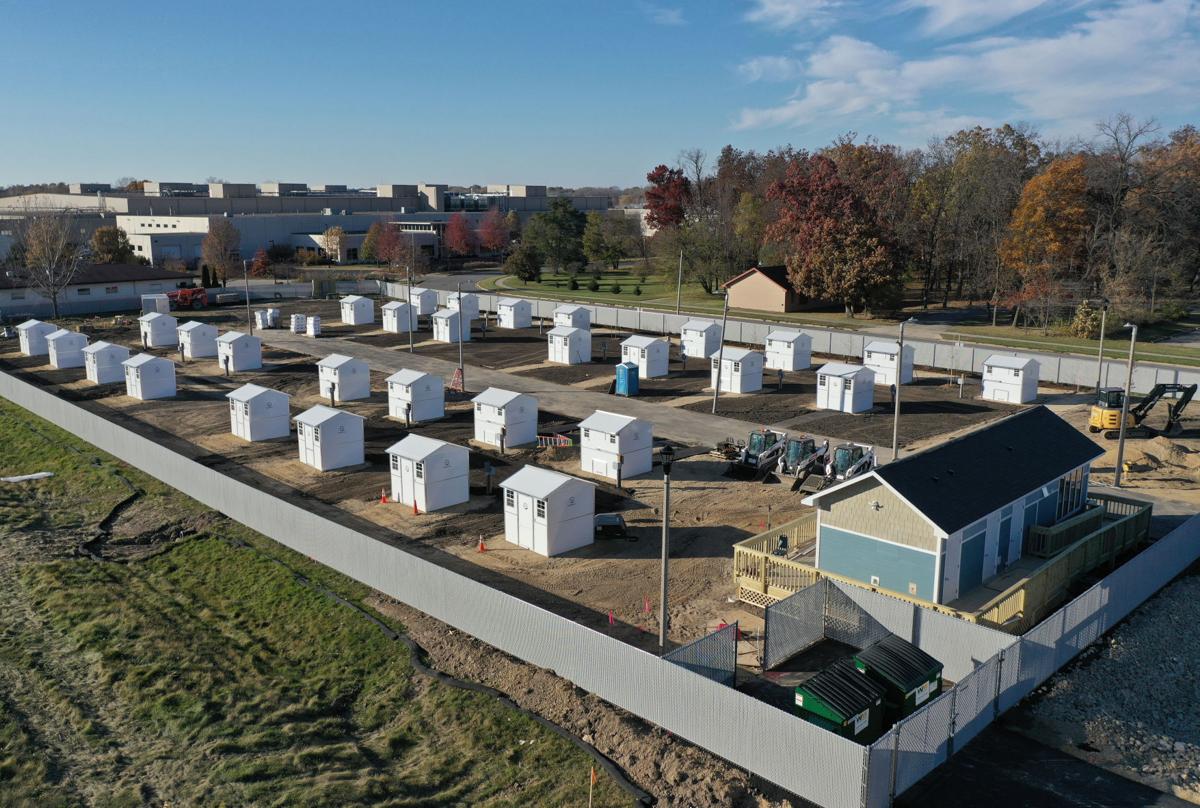
In California, particularly in cities like Los Angeles, the total cost per bed in Pallet Shelter villages often has very little to do with the shelter itself. Reports from the Los Angeles Times, CalMatters, and the A-Mark Foundation show that once utilities, concrete pads, fencing, administrative buildings, restrooms, and required services are added, total project costs can range from $17,000 to more than $77,000 per unit. In some early Los Angeles projects, the shelter represented only a small fraction of the total spend. The “temporary” solution begins to look suspiciously permanent when the supporting infrastructure costs more than the structure meant to be temporary.
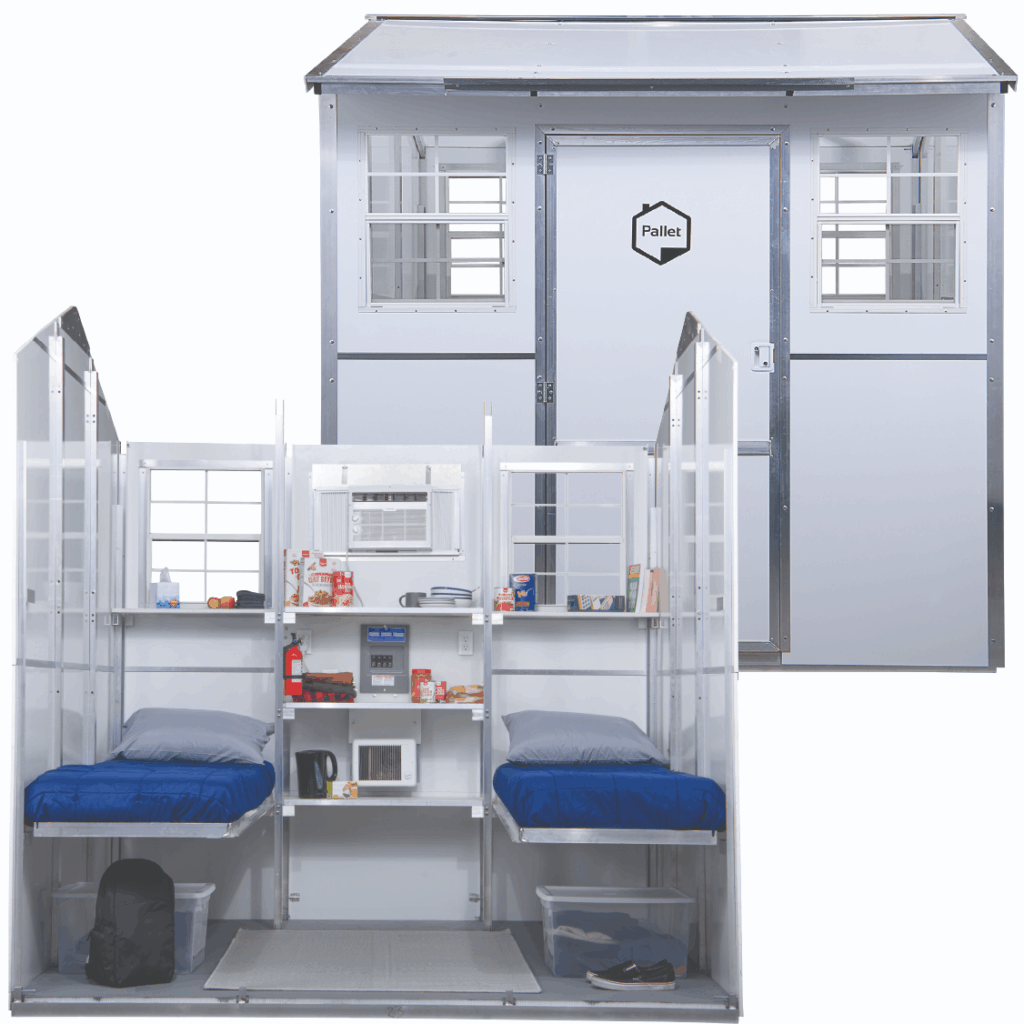
Let’s look at the shelters themselves. The smallest Pallet 64—just 64 square feet—comes in at around $7,500. The Sleeper model, at roughly 70 square feet, jumps to about $18,900. Add an en-suite bathroom and grow the unit to 120 square feet, and the price climbs to roughly $48,500. None of those numbers include land preparation, utility hookups, offices for staff, or communal services. They are simply boxes. Necessary boxes, yes—but still just boxes.
Once cities step in, costs balloon. One report showed an average construction cost of $42,344 per bed, with a range from $32,712 to $65,783. And that’s before operating costs are factored in. Staffing, security, meals, case management, and ongoing services can add another $20,000 per bed per year. At that point, it’s fair to ask a question few policymakers seem eager to answer out loud: How long does a “temporary” shelter have to exist before it costs as much—or more—than a permanent housing solution?

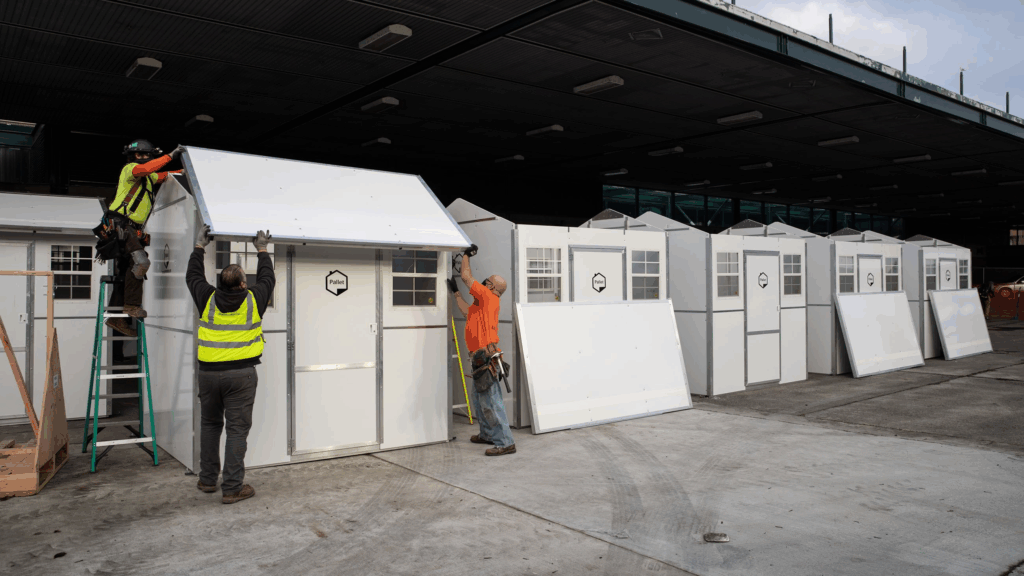
Supporters argue, correctly, that services matter. Housing alone doesn’t solve homelessness. People need support, safety, and stability. But critics counter that the layering of infrastructure and administration has created a system where the cheapest possible shelter still ends up carrying luxury-level costs. When a 64-square-foot unit sits on a concrete pad with fencing, utilities, security, and full-time staff, the word “minimal” starts to lose its meaning.
Location plays a major role. Using city-owned land or donated property can reduce costs significantly, but even then, regulatory requirements and service expectations remain. Infrastructure doesn’t shrink just because the shelter does. In fact, the smaller the unit, the more shared systems it depends on—and the more those systems cost. The irony is hard to ignore: the smaller the box, the bigger the surrounding bill.
So what’s the uncomfortable takeaway? It’s not that Pallet Shelters don’t have a role. They do—especially in emergency situations. The real issue is that homeless housing has become a systems problem disguised as a product problem. We argue about the cost of the shelter while quietly accepting an ecosystem of expenses that turns “temporary relief” into a long-term financial commitment.
If we’re willing to spend $40,000 to $77,000 per bed to house someone in a structure smaller than a parking space—and then another $20,000 a year to keep it running—it’s fair to ask whether the conversation should shift. Not away from compassion, but toward accountability. Toward better design. Toward solutions that don’t require a very expensive village just to support the smallest possible box.
At some point, the question isn’t can we afford to house people?
It’s why does it cost so much to do it this way—and who benefits from keeping it that way?
.
With more than 10,000 published articles on modular and offsite construction, Gary Fleisher remains one of the most trusted voices in the industry.
.
CLICK HERE to read the latest edition

Contact Gary Fleisher