




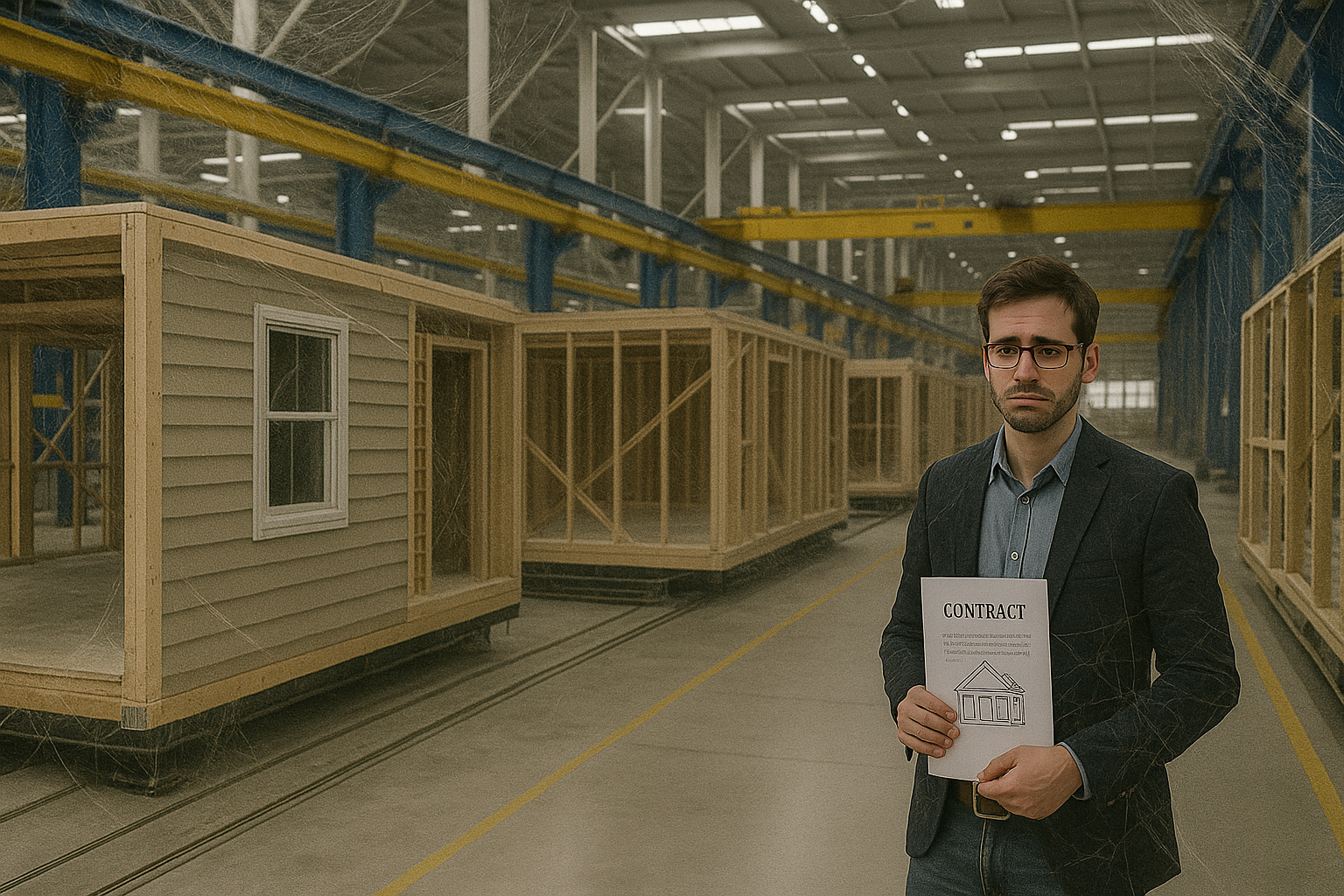
If you’ve scrolled through TikTok or LinkedIn lately, you’ve probably noticed the endless chatter about AI taking jobs, six-figure side hustles, and Gen Z reinventing what “work” really means. But here’s something that gets less airtime: two of the most essential industries in America—construction and manufacturing—are facing a massive workforce crisis. And unlike the hype around future tech, this problem is here, it’s now, and it’s growing.
Construction: Who’s Going to Build the Future?
In 2025 alone, the construction industry needed about 439,000 new workers just to keep up with demand. That’s not an optional number—it’s what it takes to keep projects on track. The problem is that the pipeline of talent isn’t anywhere close to filling those spots.
One of the biggest reasons is age. A large share of experienced construction workers is heading toward retirement, and the younger generation simply isn’t stepping in quickly enough. Add to that the fact that construction is no longer just hard hats and hammers. Job sites now run on technology like building information modeling, drones, and robotics. These tools require specialized training, but the education and apprenticeship programs haven’t caught up to what modern construction demands.
Then there’s the image problem. Too many young people still think of construction as back-breaking labor with low pay and little career growth. That perception lingers even though wages have improved and the industry actually offers plenty of career ladders. And let’s not forget immigration. Policy shifts and uncertainty around visas could make it even harder to bring in the workers who already play such a vital role on construction sites across the country.
Manufacturing: A Slow-Burning Crisis
If construction feels like a crisis on fast-forward, manufacturing is more like a slow-burn fuse. By 2033, the industry could be short nearly 3.8 million workers. And this isn’t just about line workers. The shortage includes technicians, engineers, and specialists—the people who understand how to operate and maintain increasingly advanced equipment.

What’s troubling is that manufacturing faces almost the exact same problems as construction: an older workforce retiring, a younger workforce that doesn’t see the appeal, and not enough urgency to rebuild the pipeline. The skills gap is especially glaring here, with factories racing to automate while struggling to find people who can program, monitor, and repair the machines.
Same Problems, Same Frustrations
What’s striking is how much these two industries overlap in their struggles. Both have job openings in abundance, but those openings aren’t being filled because of mismatched geography, missing skills, or simply a lack of qualified candidates. Companies are scrambling to get creative with recruitment—posting on social platforms, sponsoring TikTok ads, partnering with high schools and trade programs—but the culture shift is slow, and often too little, too late.
On top of that, economic uncertainty looms large. Inflation, interest rates, and unpredictable immigration policies make it tough for companies to confidently plan for the long term. Why invest heavily in training programs if you’re not sure what the economy will look like a year from now?
The Big Question
And here’s the real puzzle: why are industries that literally build our homes, roads, and products struggling to convince people they’re worth working in? Wages are better than they used to be, benefits have improved, and the work itself is transforming with technology. Yet the narrative hasn’t shifted in the same way it has for tech or finance.
Maybe the opportunity lies in telling a different story. Construction and manufacturing are no longer stuck in the past. These industries are evolving into hubs of innovation, with AI in factories, drones on job sites, and sustainability goals reshaping how things get built. The question is whether they can market themselves as forward-looking careers to a generation that craves purpose, technology, and growth.
Because at the end of the day, without people, none of this happens. Not the new apartment towers, not the next EVs, not even the phones we’re all reading on right now. The real shortage isn’t just labor—it’s a shortage of the future unless we figure out how to bridge this gap.
.
With over 9,000 published articles on modular and offsite construction, Gary Fleisher remains one of the most trusted voices in the industry.
.
CLICK HERE to read the latest edition

Contact Gary Fleisher