




Living on the East Coast and being very familiar with
modular housing here, I just can’t believe the amount of money that the West
Coast “prefab” factories get for their product.
I’ve compared the homes to Lego block homes and single wide HUD homes
and still there are people willing to buy them and of course Architects and
factories only too anxious to help relieve them of their money.
Now old abandoned cargo containers are being converted into
habitable space and being touted as the next big thing in housing. But are these homes actually “factory built?”
First let’s look at the typical East Coast modular home
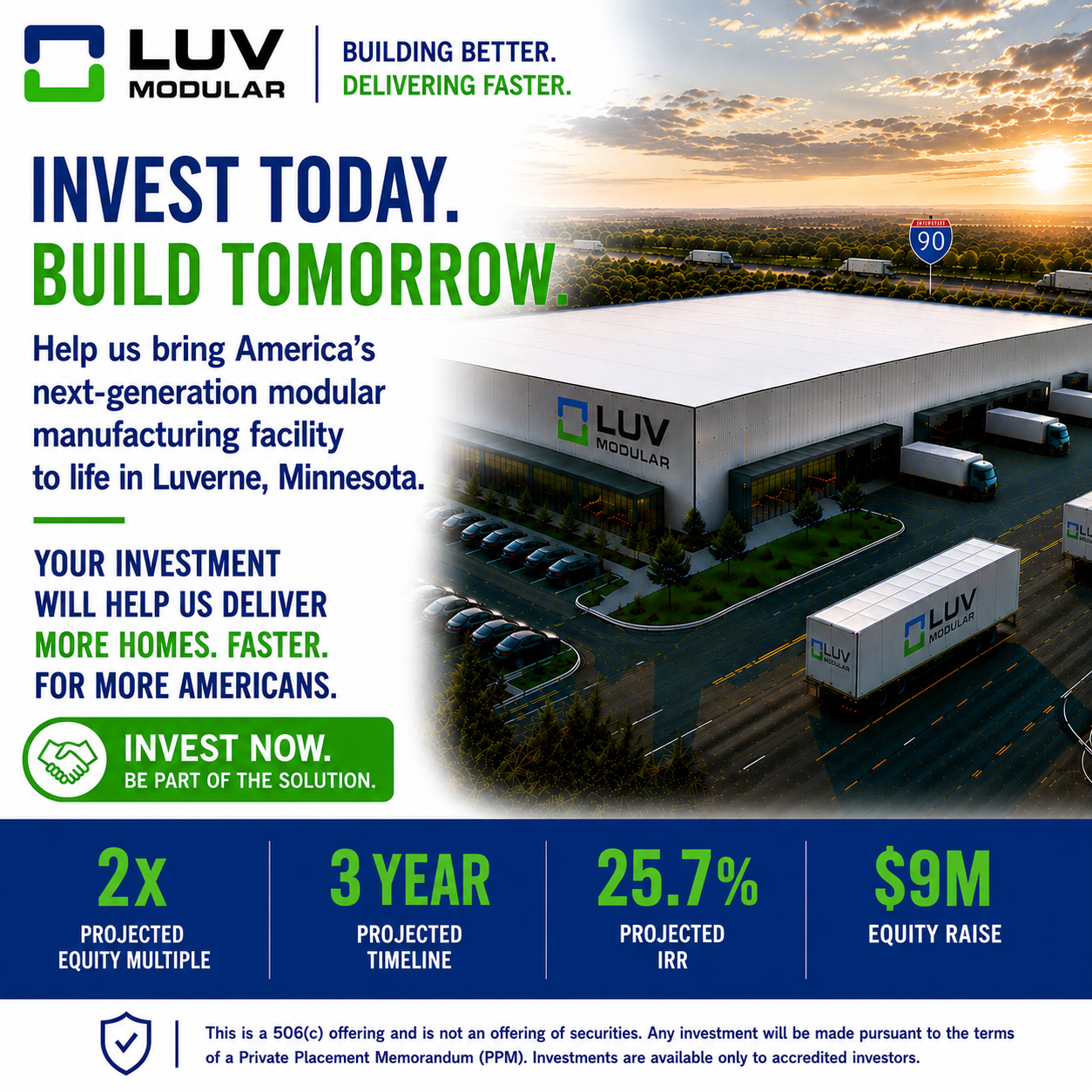
factory. The production lines are housed
in buildings are large as 100,000 sq ft. That’s over two acres! Production is done in an assembly line
fashion with some plants having up to 20 work stations. Material is delivered to each station on a
“just in time” method that holds done inventory costs.


The East Coast factories have dedicated fleets of trailers
ready to ship the homes when needed and until recently it was not unusual to
find 40 or more modules setting in their shipping yards waiting for delivery to
the builders. Every factory has a
service department along with an “Engineering” department that includes CAD
operators and no Architects.
There are also the inherent green benefits of modular
housing. Low waste and recycling of
everything from scrap wood to drywall.
Now move to the West Coast and the new “prefab” factories
that brag that they can bring in homes for around $200-300 a sq ft. We’re talking the Michelle Kaufmann inspired
homes and not modular homes built by the big factories. So why are they so expensive compared to
factory homes?
West Coast prefab homes are:
- One-off homes. Every
home they build has to be submitted for plan review individually. Expensive. - Architect designed.
Not only is this expensive, in a lot of cases the Architects actually
have an interest in the factory. Very Expensive. - Built on cribbing.
The modules are built on stacks of wood called cribbing and don’t move
from station to station which dictates that the same materials for every module
must be taken to each station. This alone probably has Henry Ford rolling in his grave. Expensive. - Stick built in the factory.
The only difference between a site built home and one of these MK
inspired homes is that the prefab will be built in sections, craned onto
flatbed trucks, shipped to the job site, craned onto the foundation and
finished on-site. Because the prefab is
basically site built in the factory, the advantage goes to the site builder. Expensive. - Built in smaller, warehouse type factories. I’ve seen them as small as 6,000 sq ft. Four modules setting on cribbing and production
comes to a standstill. It can take up to
3 weeks to build one home which means that if they sell more than 17 homes in one
year they have to open another factory.
Very Expensive.
These are the top reasons that the MK style prefab is more
expensive than its modular factory cousin but I’m sure there are plenty of
others.
We all want to drive the new $57,000 Telsa electric car but
few of us really want to own one. That’s
why they have built so few (less than 150) and why Toyota builds 5,000,000 $27,000 Prius’ a
year. Mass production.
Now let’s move on to living in a shipping container………..maybe
later.