Have you ever wondered why Clayton controls 51% of the manufactured home market? I have.
Clayton didn’t stumble into dominance. They’ve built it, brick by brick—or more accurately, module by module. With dozens of factories spread across the country and scores of dealer lots—both company-owned and independent—they’ve created a national presence. And let’s not forget their marketing machine. Clayton shows up on every social media platform, in every Google search, and on billboards from Maine to California. Search “manufactured homes,” and Clayton is practically sitting at your keyboard waiting to shake your hand.
So why isn’t modular construction playing the same game?
The Power of Vertical Integration
Manufactured housing companies like Clayton thrive because they’re vertically integrated. They don’t just build the homes; they also own the distribution channels and the sales lots. This combination lets them control their branding, customer experience, and visibility. Buyers are shopping by brand name—Clayton, Fleetwood, Tru, or Destiny—because the industry has taught them to do so.
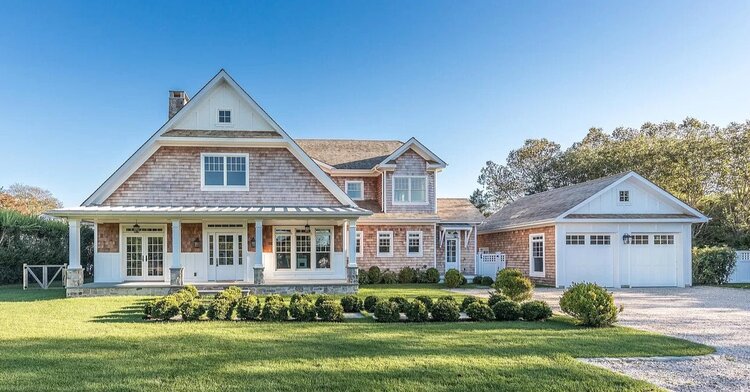
photo – Excel Modular
In modular construction, however, most factories don’t own sales lots. They depend on independent builders and developers to bring in the orders. That means the builder’s name is on the sign, not the factory’s. When homeowners search online, they find “Smith Builders” or “Jones Construction,” not the name of the factory that actually built the home.
The Branding Gap
Out of curiosity, I Googled “Modular Home Brand Names.” Guess how many modular companies popped up? Just one: Impresa Modular. That’s it. The rest of the search results were dominated by manufactured housing brands.
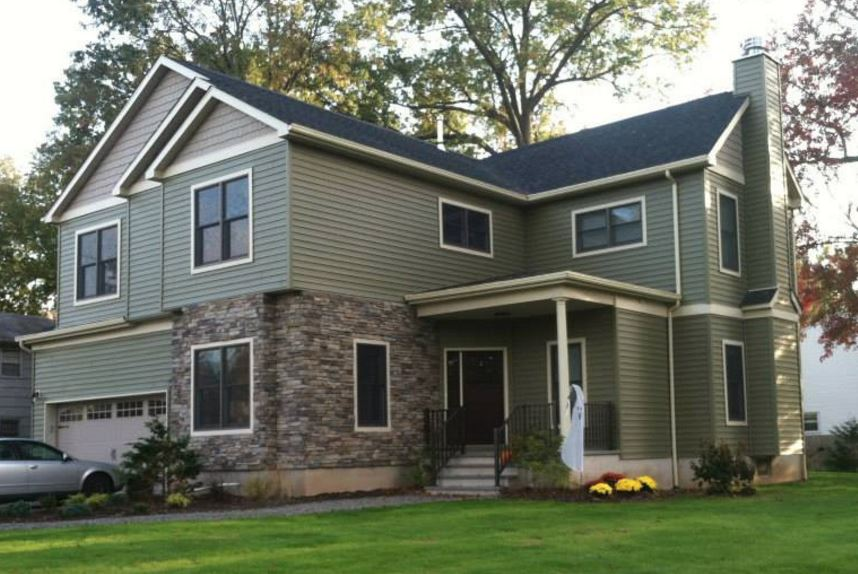
photo – Impresa Modular
This gap raises a simple question: if modular factories aren’t even trying to brand themselves, how can they expect the public to recognize their value? Builders know the factory names, of course, but homeowners—the actual buyers—are left in the dark.
Should Modular Factories Step Up?
There are arguments both ways. On one hand, factories might say, “We’re in the business of building, not retailing.” They see marketing as the builder’s job, not theirs. Fair enough. But in a world where brand recognition drives trust, ignoring branding feels like leaving money on the table.
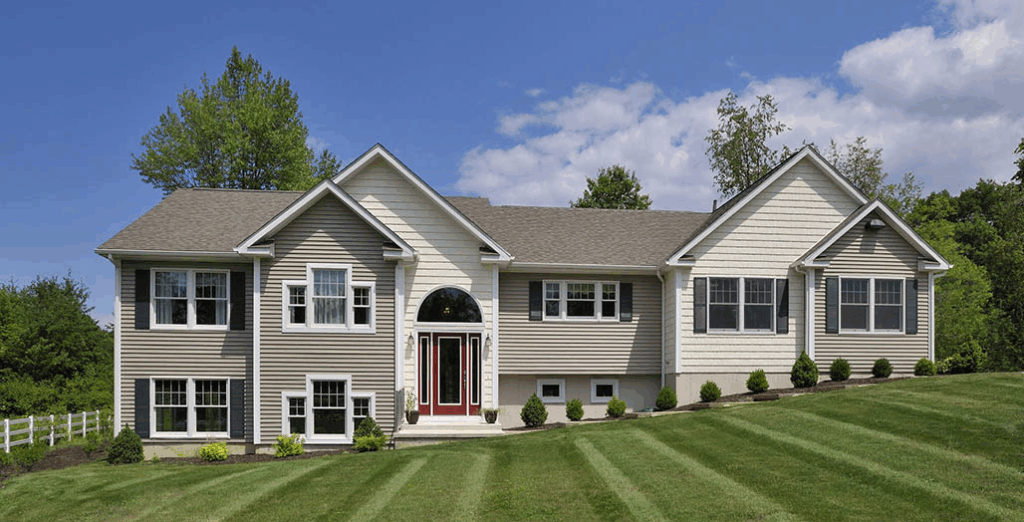
photo – Westchester Modular
On the other hand, promoting the factory brand could cause friction. Builders might resent being overshadowed by a factory’s national advertising campaign. After all, if homeowners start calling the factory directly, where does that leave the local builder? The delicate balance between factory and builder relationships has always defined the modular side of the business.
The Missed Opportunity
But here’s the thing: modular factories don’t have to replace their builders to create brand recognition. They could build a dual strategy—promote the factory brand nationally and highlight their network of trusted builders locally. That way, the homeowner knows who’s making the product and who’s going to deliver and finish it. It’s the same playbook the manufactured housing industry has been running for decades—and it works.
The Question That Remains
So, why don’t modular factories promote their brand names? Is it fear of upsetting the builder network? A lack of marketing budgets? Or maybe a belief that brand doesn’t matter when the product is behind the curtain?
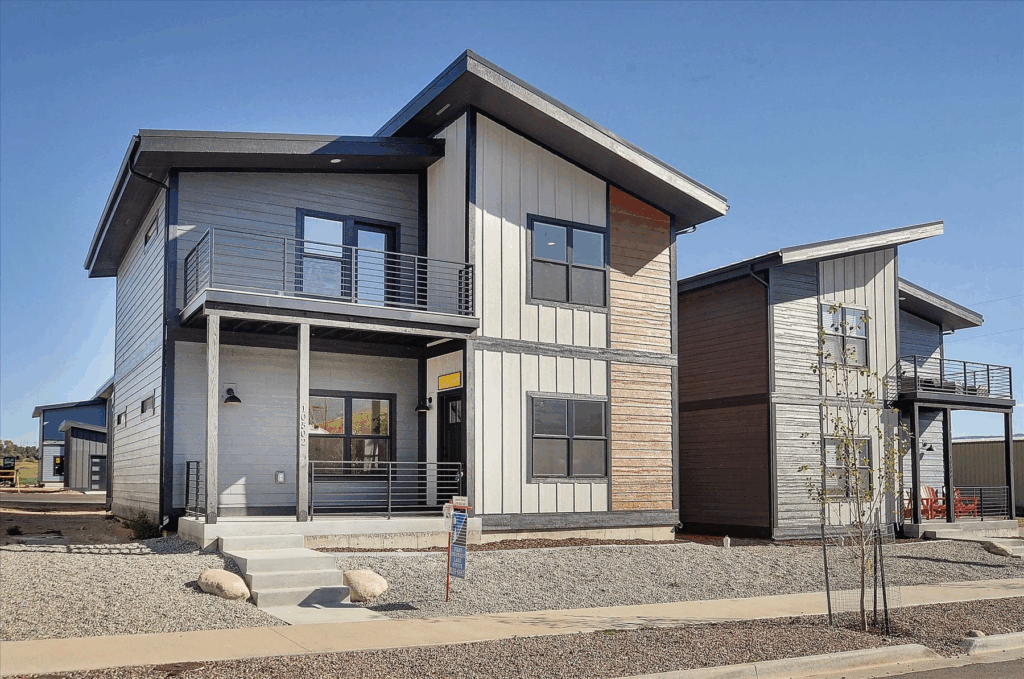
photo – Fading West
I’m not sure. But I do know this: homeowners buy with their eyes, their emotions, and their trust. And if modular factories want to claim more market share, it might be time to step out of the shadows and let their names be known.
.
With over 9,000 published articles on modular and offsite construction, Gary Fleisher remains one of the most trusted voices in the industry.
.

CLICK HERE to read the latest edition

Contact Gary Fleisher